
Last updated November 25, 2026
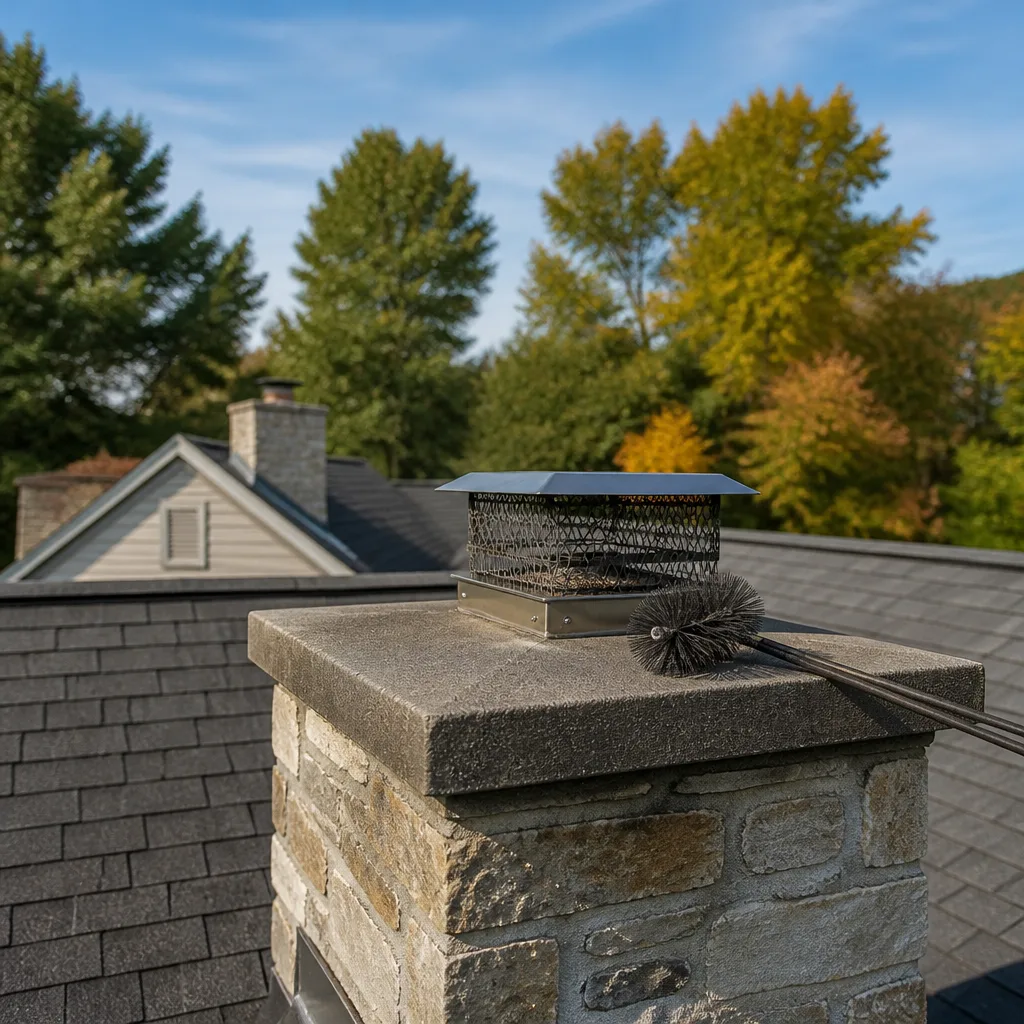 Sweep & inspection
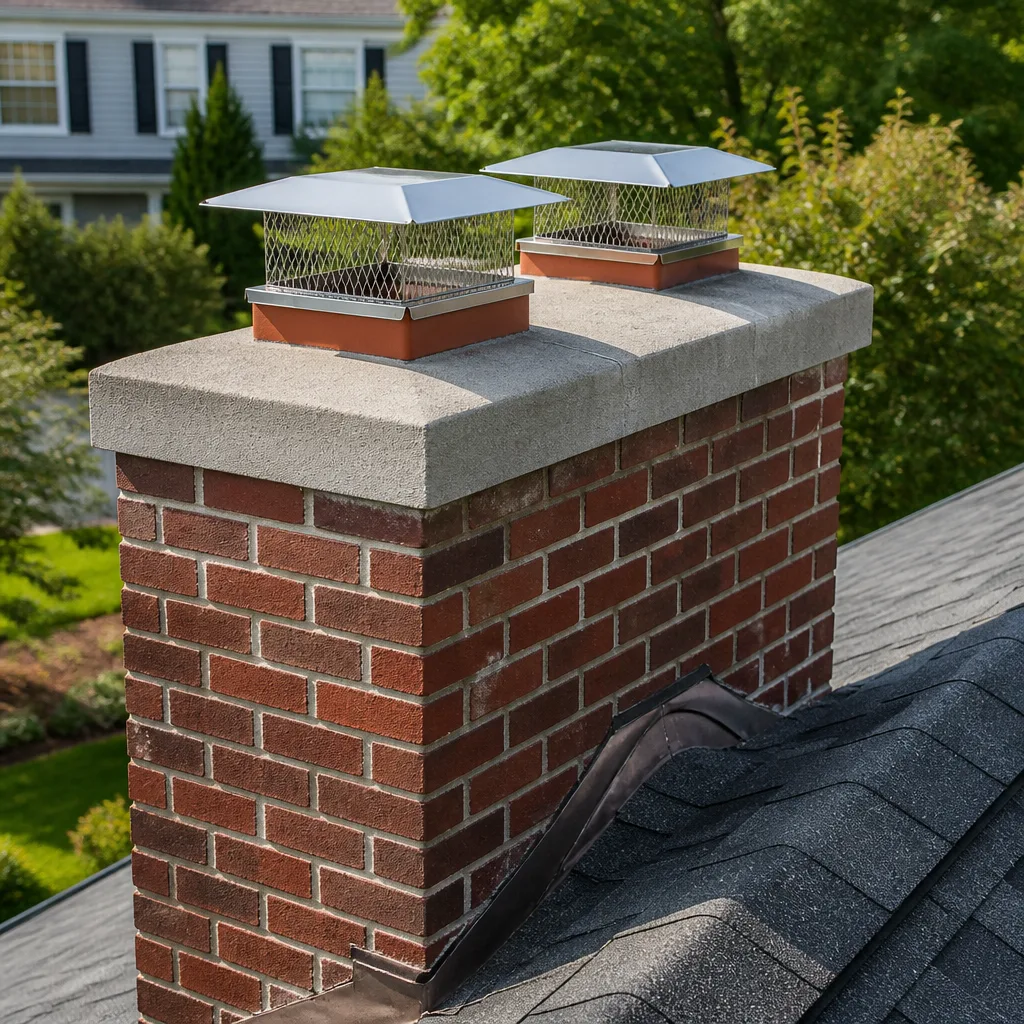 Caps & crowns
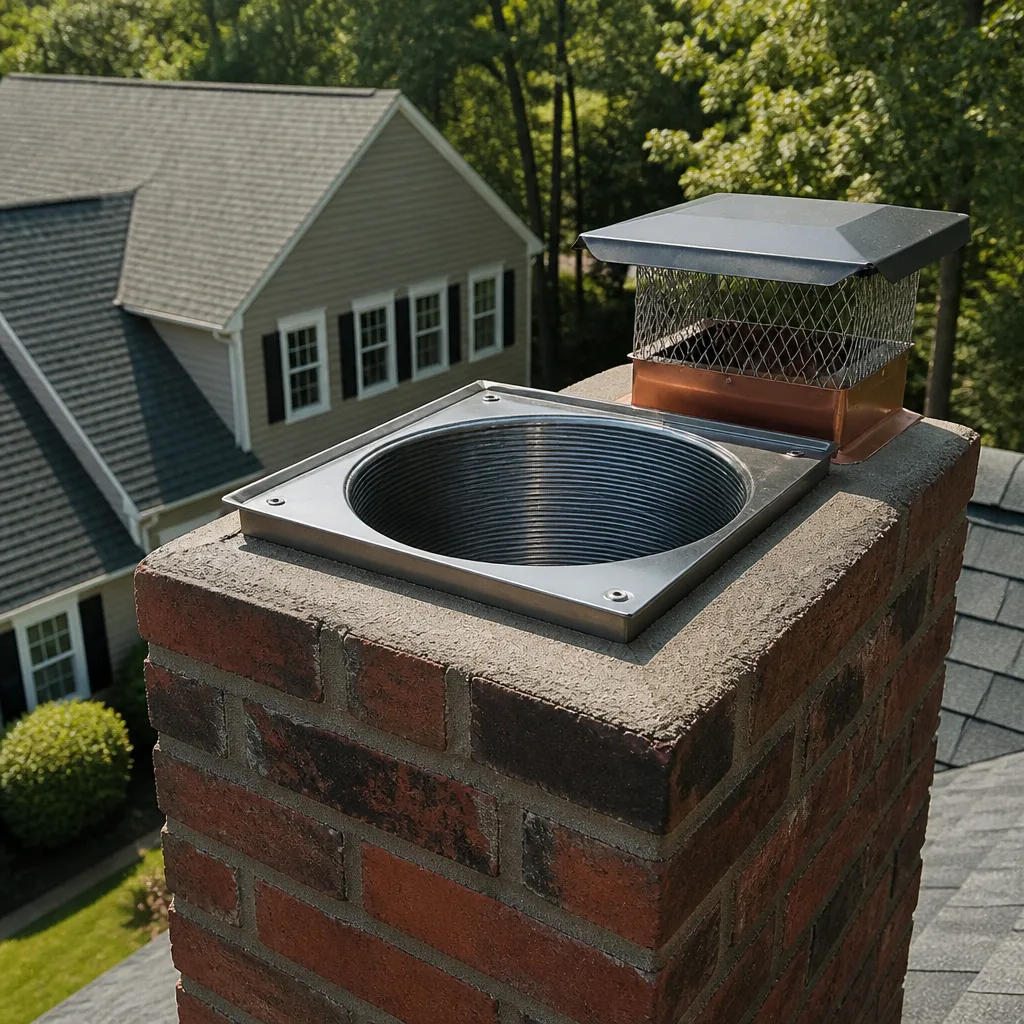 Flue relining
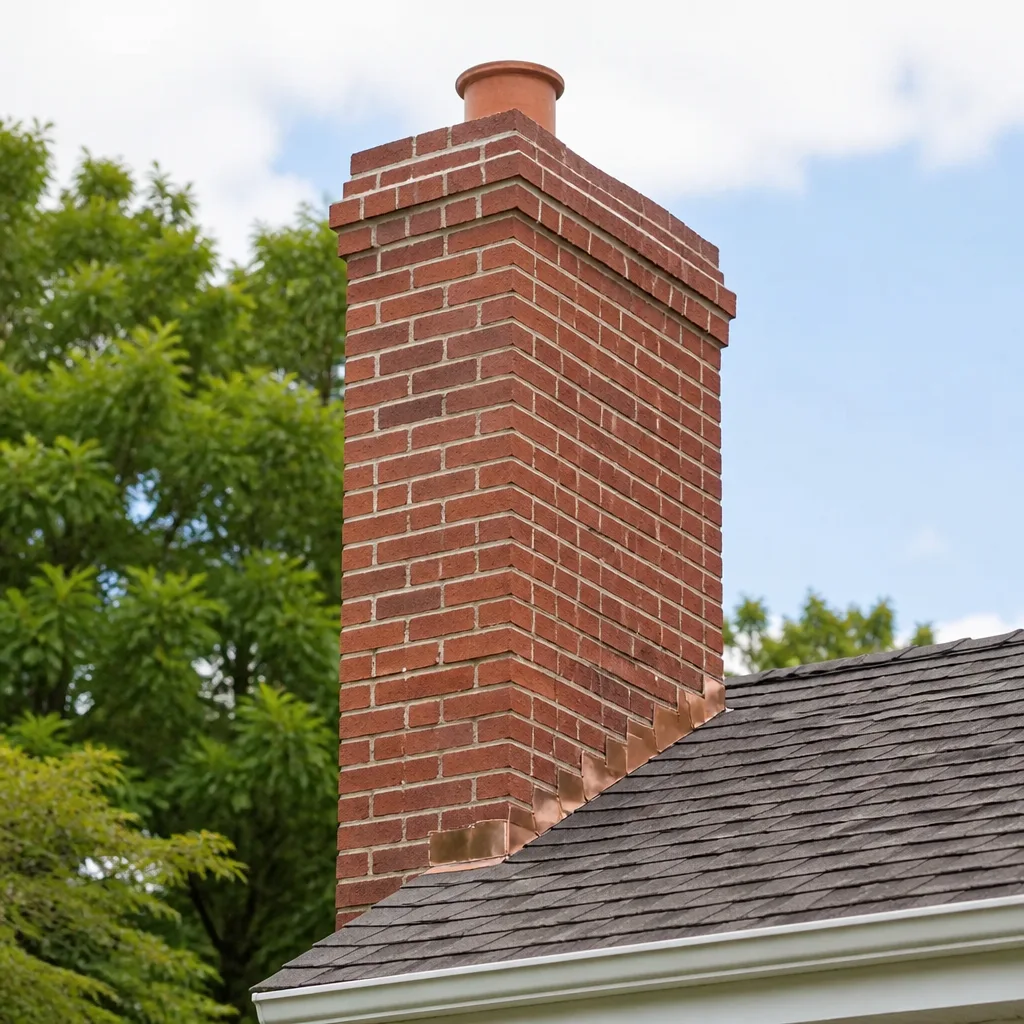 Masonry repair
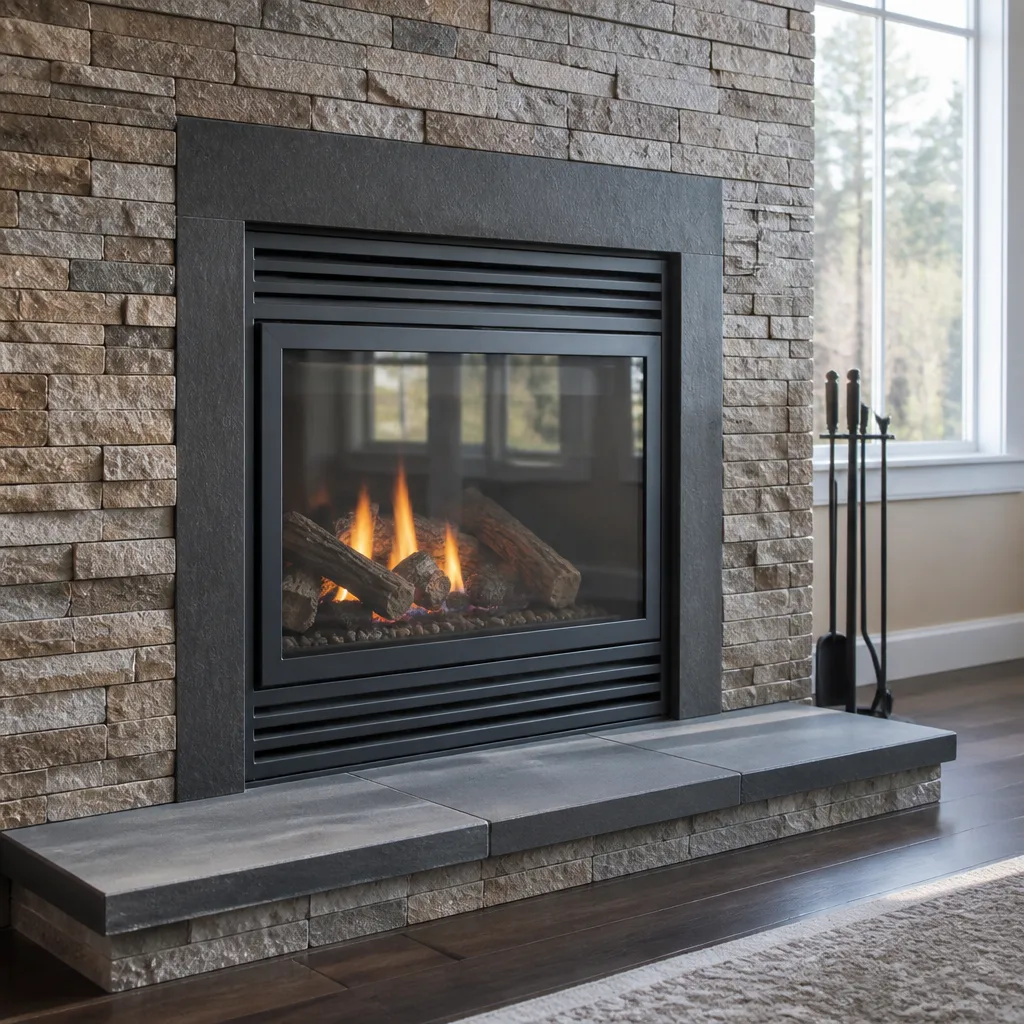 Gas fireplace service
Level 1 sweep and inspection to the NFPA 211 annual standard - flue, crown, cap, and flashing checked and photographed
Chimney sweep logs do not sweep chimneys. They loosen some creosote - which then falls where a brush and vacuum still have to collect it.
Chimney Cleaning Permits, Codes & Inspections in Knoxville, TN: What You Need to Know
Most homeowners treat a chimney sweep as routine maintenance, and for the sweep itself, that’s correct. No permit is needed to clean a flue. But here’s the part people miss: the moment a technician installs a new liner, applies a structural resurfacing product like HeatShield, or rebuilds a crown, the job crosses a line from maintenance into improvement, and Knox County’s building codes have a clear opinion about what happens next. This guide maps exactly where that line falls in Knoxville, how the International Residential Code as adopted by Tennessee applies to chimney work, what NFPA 211 requires for liner sizing, and how to request the applicable code section from Knox County before any contractor lifts a tool. It’s written for homeowners who want to know what triggers a permit before the work starts, not after.
Quick Answer
Cleaning a chimney in Knoxville does not require a permit. Replacing a liner, installing a gas insert or gas log set, resurfacing a damaged flue with a product like HeatShield, or structurally rebuilding a crown or chimney chase generally does require a building permit through Knox County Codes or the City of Knoxville’s permitting office. Inspections themselves (Level 1, 2, or 3) do not require a permit, but the report they generate is what triggers any permitted repair that follows.
Styles & brands we work with
- Sweep & inspection
- Caps & crowns
- Flue relining
- Masonry repair
- Gas fireplace service
Table of Contents
- Where Cleaning Ends and a Permit Begins in Knox County
- How NFPA 211 and Knox County Codes Interact
- What a Level 2 Inspection Report Must Document for Insurance
- Why Gas Logs and Inserts Always Require a Permit
- How to Request the Applicable Code Section Before Work Begins
- What the Inspection Process Looks Like in the City vs. Unincorporated County
- How to Choose a Contractor Who Works within the Code
Where Cleaning Ends and a Permit Begins in Knox County
The dividing line is simple in concept and frequently misunderstood in practice: cleaning and inspection are maintenance, but any change to the flue’s structure, material, or venting configuration is an improvement, and improvements to a chimney are subject to the International Residential Code as adopted by Tennessee and administered by Knox County. A sweep with a brush and a vacuum does not touch that line. The installation of a new stainless liner, a resurfacing product, or a rebuilt crown does.
Here’s how the split looks in practice for the work we most often see in Knoxville homes:
- No permit required: A routine chimney sweep, a Level 1 or Level 2 inspection, a new chimney cap on an existing flue, minor firebox mortar repair that doesn’t alter the flue.
- Permit generally required: Installing a new flexible liner (DuraFlex or similar), applying a structural resurfacing product like HeatShield to a damaged flue interior, replacing a below-roof chimney chase section, rebuilding a crown, installing a gas insert or gas log set, adding a new wood stove or fireplace appliance.
The distinction matters because a permit triggers an inspection, and an inspection protects you. When work is permitted and inspected, there’s a third-party record that the liner was sized correctly, the clearances were respected, and the installation matched the manufacturer’s listing. When it isn’t, the only record of the work is whatever the contractor tells you. That gap becomes a real problem at resale, or after a chimney fire, when an insurance adjuster asks for documentation.
In Knoxville’s older neighborhoods – Fourth and Gill, Old North Knoxville, Vestal – we frequently encounter pre-war chimneys that were originally unlined or lined with clay tile that has since cracked. Any correction to those flues is improvement, not maintenance, and any honest contractor will tell you that before the work starts. If the recommendation is a liner and the contractor waves off the permit, that’s a signal they haven’t done permitted work before, or they don’t plan to have this job inspected.
How NFPA 211 and Knox County Codes Interact
NFPA 211 is the national standard for chimneys, fireplaces, vents, and solid fuel-burning appliances. Tennessee’s adopted residential code references it, and Knox County’s plan review generally treats NFPA 211 as the technical baseline for any chimney work that comes through the permitting process. What that means in practical terms: the code inspector is checking the installation against NFPA 211’s requirements, not just against whatever the contractor prefers.
The most consequential NFPA 211 rules for Knoxville homeowners come down to liner sizing and material specification:
- Liner sizing: The flue must be sized to the appliance it serves. A liner that’s too large for a wood stove, or too small for a fireplace opening, will draw poorly and can create draft problems that weren’t there before. NFPA 211 tables specify the relationship between appliance flue collar size and liner diameter.
- Material and listing: A stainless flexible liner must be listed to the appropriate standard for the fuel type and appliance class. Insulated liners are required in certain applications (exterior chimneys, for example, where condensation is a concern).
- Clearances: NFPA 211 specifies clearance-to-combustible requirements. Where a clay flue tile has cracked and the chimney isn’t relined, those clearances are no longer protected. This is the code basis for a liner requirement after visible tile damage.
- Resurfacing products: HeatShield and similar resurfacing products are typically specified for use where the original flue interior is intact but deteriorated, and the product listing establishes when they’re appropriate versus when a full liner is required.
Knox County doesn’t typically amend NFPA 211 directly, but the county’s permitting and inspection process determines how the standard gets applied on a specific installation. That’s why a conversation with the county codes office before the work begins – which we’ll cover further down – is more useful than trying to read the code yourself in isolation. If you’re already in the middle of a fireplace repair decision, see our page on fireplace repair for how those calls typically get made.
What a Level 2 Inspection Report Must Document for Insurance
A Level 2 inspection report needs to do more than note the condition of the flue. When a homeowner in Knoxville is filing an insurance claim after a chimney fire, or being asked by a carrier to document the condition of a chimney before renewal, the report has to create a clear record that an adjuster can work from without a second site visit. A report that says “chimney fire damage” without specifics will typically send the claim back for more information, which delays the process by weeks.
The elements a Level 2 report must include to be useful for insurance:
- Camera-verifiable documentation: Photos or video of the flue interior at each stage, showing the extent of the damage. Every finding should map to something the homeowner and the adjuster can see.
- Appliance and venting identification: The specific appliance connected to the chimney, the connector type, the flue material, and the flue dimensions. NFPA 211 compliance for liner sizing draws from this section.
- Clearance observation: Any visible clearance-to-combustible issues, documented per NFPA 211. This is where a claim is often decided – clearances that were already compromised before the fire are sometimes tied to the loss.
- Structural findings: Cracks, spalling, or missing mortar in the flue tiles; condition of the crown; condition of the cap and spark arrestor. A damaged crown that allowed water in is a different repair scope from a fire-damaged flue.
- Recommendations with code references: Each repair recommendation should tie to the applicable code or NFPA 211 section, so the carrier can see that the recommended work isn’t discretionary. We document the condition report the same whether it’s for the homeowner’s own confidence, an insurance carrier, or a real estate transaction.
One thing to know about the order of operations: an inspection is a standalone service and doesn’t require a permit, but any repair it recommends likely does. If your carrier needs documentation of the pre-loss condition to settle a claim, the inspection report itself is what they want. If the report recommends a liner replacement or a HeatShield resurfacing, the installation is what gets permitted.
Why Gas Logs and Inserts Always Require a Permit
Any installation of a gas log set, gas insert, or gas-burning appliance into an existing fireplace requires a building permit, both in the City of Knoxville and in unincorporated Knox County. This is not a gray area. Gas appliances carry carbon monoxide risk, and the permitting process exists to ensure the venting configuration, gas connection, and clearances are correct before the appliance is used.
We see this one skipped more than any other permitted chimney-related job. The homeowner buys the insert or the log set, a technician sets it in the firebox and connects the gas line, and everyone moves on. A year or two later the appliance vents poorly, or a home inspector flags the installation as undocumented, and the paperwork gap is now the homeowner’s problem.
The inspection process for a gas appliance installation in Knoxville typically includes:
- The permit application, filed with either the City of Knoxville’s codes office or Knox County Codes depending on where the home sits.
- A rough-in inspection after the venting is in place but before the appliance is closed in or fully connected.
- A final inspection once the appliance is installed and connected, confirming gas connection integrity, venting, clearance-to-combustible, and carbon monoxide risk mitigation.
The City of Knoxville and unincorporated Knox County each run their own permitting offices, and the requirements are similar but the paperwork and inspection scheduling differ. If you’re not sure which jurisdiction you’re in, that’s the first thing to clarify. Our Knoxville Chimney Sweep team can help you identify which office handles your address before any work is booked.
How to Request the Applicable Code Section Before Work Begins
The single best move a homeowner can make before hiring a chimney contractor for anything beyond a routine sweep is to call the local codes office and ask for the applicable code section in writing. It takes about ten minutes, it costs nothing, and it separates contractors who have done permitted work from those who haven’t.
Here is the process:
- Identify your jurisdiction. An address lookup on the Knox County property assessor’s site will tell you whether you’re inside the City of Knoxville limits or in unincorporated Knox County. If you’re inside the city, the City of Knoxville’s codes office is the permitting authority. If you’re outside the city limits, Knox County Codes handles it.
- Describe the proposed work precisely. “Install a stainless flexible liner in the existing masonry flue for a wood-burning fireplace” is a request the codes office can answer directly. “Fix the chimney” is not.
- Ask for the specific code section and the permit scope. Ask which section of the International Residential Code as adopted by Tennessee applies, whether any NFPA 211 section is cross-referenced, and what the permit scope will cover.
- Request it in writing. Email is fine. A written response gives you something to hand to your contractor and something to keep if a question comes up later.
- Compare the response to the contractor’s proposal. If your quotes don’t reference the same permit scope the county described, ask why. Contractors who have done permitted work will recognize the code section immediately and build it into their estimate.
This step is the best filter we know of. A contractor who responds to “which code section applies?” with a confident reference to the IRC section and the NFPA 211 requirement has been through this process before. One who responds with “you don’t need a permit for that” when the county says you do is telling you something useful about their working method.
What the Inspection Process Looks Like in the City vs. Unincorporated County
The inspection process differs slightly between the City of Knoxville and unincorporated Knox County, and knowing the difference saves time. Both jurisdictions work from the same base code – the International Residential Code as adopted by Tennessee – but the offices run on their own schedules and have their own documentation expectations.
In the City of Knoxville, permits for residential chimney work are filed through the city’s codes office. Inspections are typically scheduled by the contractor once the work reaches the rough-in stage (liner in place, before the top plate is closed) and again at final. City inspectors assess the work against the IRC and NFPA 211 and issue a written inspection record at each stage.
In unincorporated Knox County, the permit goes through Knox County Codes. The inspection points are similar, but the scheduling windows and the paperwork you’ll receive at completion are different. If your home is in a neighborhood like Farragut, Powell, or Karns, you’re typically in unincorporated county jurisdiction, not city.
Either way, a permitted job leaves you with three documents that matter: the permit application, the rough-in inspection record, and the final inspection record. Keep all three. These are what a buyer’s inspector and an insurance carrier will ask for, and they’re what an appraiser can use to document that the improvement was code-compliant.
One pattern we’ve noticed across Knoxville: the homes where the permitting step got skipped tend to be the ones where a later inspection finds trouble. A properly permitted liner installation with the documentation in place tends to hold up at resale without any drama. From the cap to the firebox, the difference is documentation.
How to Choose a Contractor Who Works within the Code
The contractor you hire determines whether the permitting step is smooth or whether it becomes your problem. The best indicator is not a sales pitch – it’s whether the contractor can tell you which code section applies to your specific job before the work is booked.
Here’s what to look for:
- The estimate references the permit. A professional estimate for a liner installation, HeatShield resurfacing, or gas appliance installation includes the permit as a line item. If permits are missing from the estimate, ask why. The written estimate sets the final price, so the permit should be in it.
- The contractor can name the applicable code. A sweep who has done permitted work will reference the IRC section and NFPA 211 without hesitation. They will also tell you when a permit is not required, which is just as important as telling you when it is.
- Inspection is offered as a standalone service. An inspection shouldn’t be a sales funnel. A documented condition report you can use for insurance, a real estate transaction, or your own confidence is worth having whether or not any repair is recommended. Our team can walk you through what a chimney sweep involves and where the inspection fits.
- Materials are professional-grade and matched to the job. The best liner for a Knoxville home isn’t always the same as the best liner for the next one. We work from professional supply lines including Copperfield, Olympia Chimney, and Gelco, and we select the material to the appliance and the flue, not the other way around.
- The scope covers the whole chimney. A contractor who stops at the firebox will hand you off to someone else for cap and crown work. Our chimney cap & crown service is part of the same relationship, because a failing crown is often the root of the water intrusion that started the whole problem.
- The contractor says when work can wait. Not every finding needs to be fixed immediately. A well-run inspection tells you what’s urgent, what can be scheduled, and what can be monitored for a season. Nothing should be recommended without camera evidence you can see for yourself.
Our technicians have up to 11 years of experience, and a big part of that experience is knowing when the honest answer is “no permit needed, and no rush on this one.” That kind of answer is what we consider the actual test of whether a contractor is worth hiring.
Common Mistakes to Avoid
- Assuming a liner replacement doesn’t need a permit. It does, in both Knoxville and Knox County. A contractor who says otherwise is either skipping the inspection or hasn’t done permitted work before. Ask for the code section and see what they say.
- Skipping the permit on a gas insert or gas log set. This is the most common skip we see in Knoxville. Carbon monoxide risk and venting are the reasons the permit exists, and the inspection is what confirms the installation is safe.
- Treating the Level 2 inspection report as a sales document. A useful report documents what’s there, ties each recommendation to a code or NFPA 211 section, and includes the camera footage. A report that’s mostly a repair quote with photos attached is a signal.
- Getting the code section from the contractor, not the county. Ask the codes office directly, in writing. Contractors who know the code will welcome the comparison.
- Filing the inspection report somewhere out of reach. The Level 2 report and the permit records are what a buyer’s inspector will ask for at resale, and what an insurance carrier will request after a chimney fire. Keep them together.
- Doing HeatShield resurfacing where a full liner is required. HeatShield is a professional-grade solution for certain flue interiors, not a universal patch. If a contractor applies it where the flue tiles are structurally failed, the fix won’t hold and you’ll pay twice.
- Assuming the city and county use the same permitting office. City of Knoxville and Knox County Codes are separate. If you’re in an unincorporated neighborhood and you’ve filed with the city (or vice versa), the permit will be rejected, and you’ll have lost a week.
See the difference
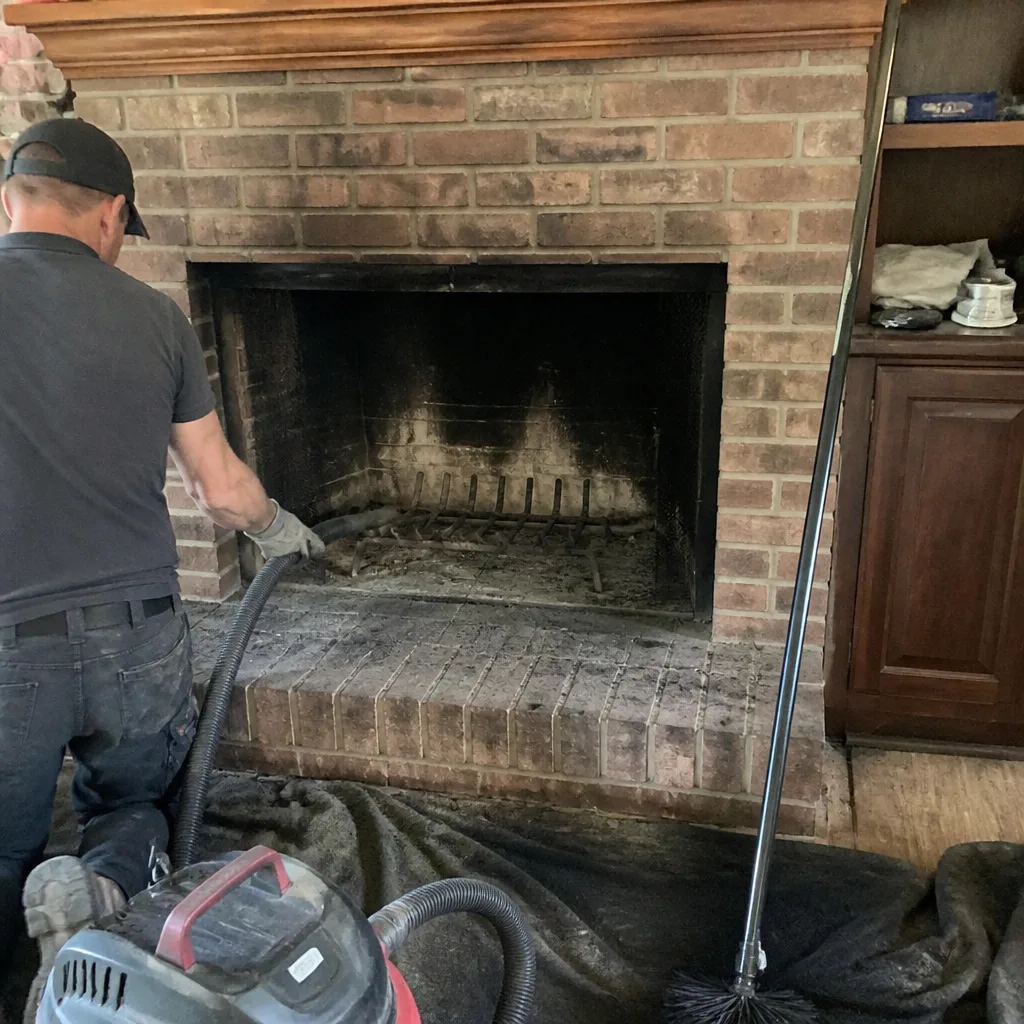 Before
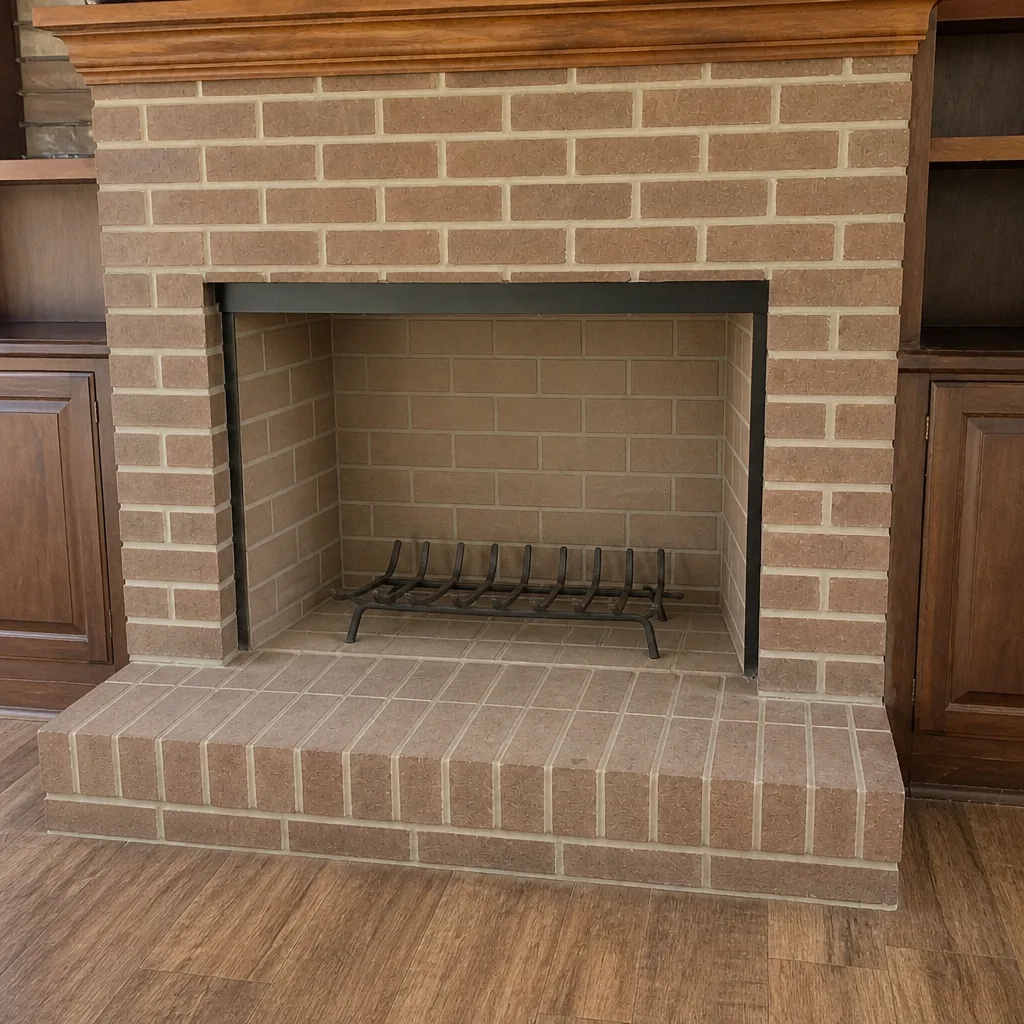 After
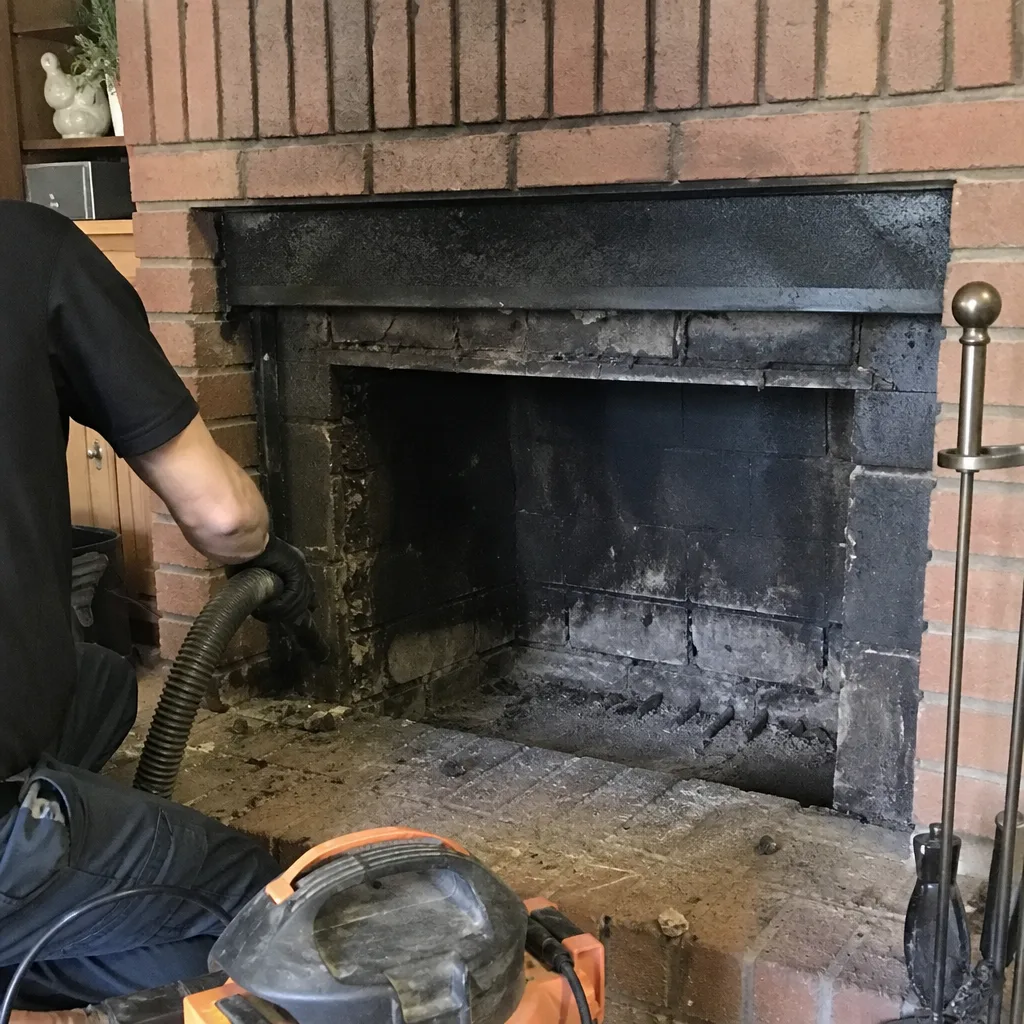 Before
 After
 Before
 After
When to Call a Professional
Call a professional chimney contractor in Knoxville when a liner, gas insert, or structural repair enters the picture – those are the jobs where a permit and inspection matter and where a handoff to a subcontracted specialist tends to cost more in the long run. Call when an insurance carrier asks for documentation after a chimney fire, or when a home inspection flags the flue and the report doesn’t say what the actual condition is. Call when you’re buying or selling a home and need a Level 2 inspection that a buyer’s inspector and lender will accept. Call before the first burn of the season if the chimney hasn’t been looked at in a year or more. Knoxville Chimney Sweep offers free estimates in Knoxville – call (844) 542-3766. We answer 24/7, with fast dispatch from 7am to 7pm, Sunday through Friday.
Frequently Asked Questions
No. A standard chimney sweep is maintenance and does not require a permit in Knoxville or in unincorporated Knox County. The permit enters the picture only when the work changes to a liner installation, gas appliance installation, structural resurfacing, or a crown or chase rebuild. Call (844) 542-3766 for an exact quote on the work you need – estimates are free.
Yes. Installing a new flexible liner – including a DuraFlex liner – is treated as an improvement, not maintenance, and is subject to the International Residential Code as adopted by Tennessee. The permit goes through Knox County Codes if the home is in unincorporated county, or the City of Knoxville codes office if the home is inside the city limits. The final price comes from the written estimate, and the permit should be in it.
A Level 2 inspection report documents the camera footage and photographs of the flue interior, identifies the appliance and venting configuration, notes any clearance issues, records structural findings, and ties each repair recommendation to the applicable NFPA 211 section. It’s the report an insurance carrier will ask for after a chimney fire, and the report a buyer’s inspector will want at resale. Our team can walk you through the report before any repair is discussed.
Yes. Any gas log set, gas insert, or gas-burning appliance installation in a Knoxville home requires a permit through either the City of Knoxville codes office or Knox County Codes, depending on the address. The inspection process confirms gas connections, venting, clearances, and carbon monoxide risk mitigation. If a contractor offers to install a gas insert without a permit, that’s a red flag.
Look up your address on the Knox County property assessor’s site to see whether your parcel is inside the city limits. Neighborhoods like Fourth and Gill, Old North Knoxville, and Vestal are typically inside the city. Areas like Powell, Karns, and Farragut are typically in unincorporated county. If you’re not sure, ask before you book the work. Call (844) 542-3766 and we can help you identify the right office.
Skipping the permit means skipping the inspection, which means no third-party record that the work was done correctly. At resale, a buyer’s inspector who finds undocumented liner or gas appliance work will typically ask for documentation that doesn’t exist. After a chimney fire, an insurance carrier will often ask for the pre-loss condition record, and if the repair was permitted the record exists; if it wasn’t, the claim gets harder to support. Call (844) 542-3766 for an exact quote on permitted work – estimates are free.
The Bottom Line
Cleaning a chimney in Knoxville is maintenance. Replacing a liner, installing a gas insert or gas log set, applying HeatShield, or rebuilding a crown or chase is improvement, and improvement is what Knox County’s building codes care about. NFPA 211 governs the technical standard for liner sizing, materials, and clearances, and the IRC as adopted by Tennessee gives Knox County the authority to permit and inspect the work. A Level 2 inspection report documented to NFPA 211 is what an insurance carrier will ask for after a chimney fire, and a permit with rough-in and final inspection records is what a buyer’s inspector will ask for at resale. Request the applicable code section from the codes office before the work begins – it’s the best filter we know of for whether a contractor has done permitted work before.
Knoxville Chimney Sweep handles the full scope from the cap to the firebox: sweep, inspect, reline with DuraFlex, resurface with HeatShield, install or replace caps and crowns, and repair fireplaces and chimneys under one provider. Our technicians have up to 11 years of experience, and our estimates are free with the written estimate setting the final price. Call (844) 542-3766 for a free estimate. We answer 24/7. Fast dispatch from 7am to 7pm, Sunday through Friday.
Written by the team at Knoxville Chimney Sweep.