
Last updated November 25, 2026
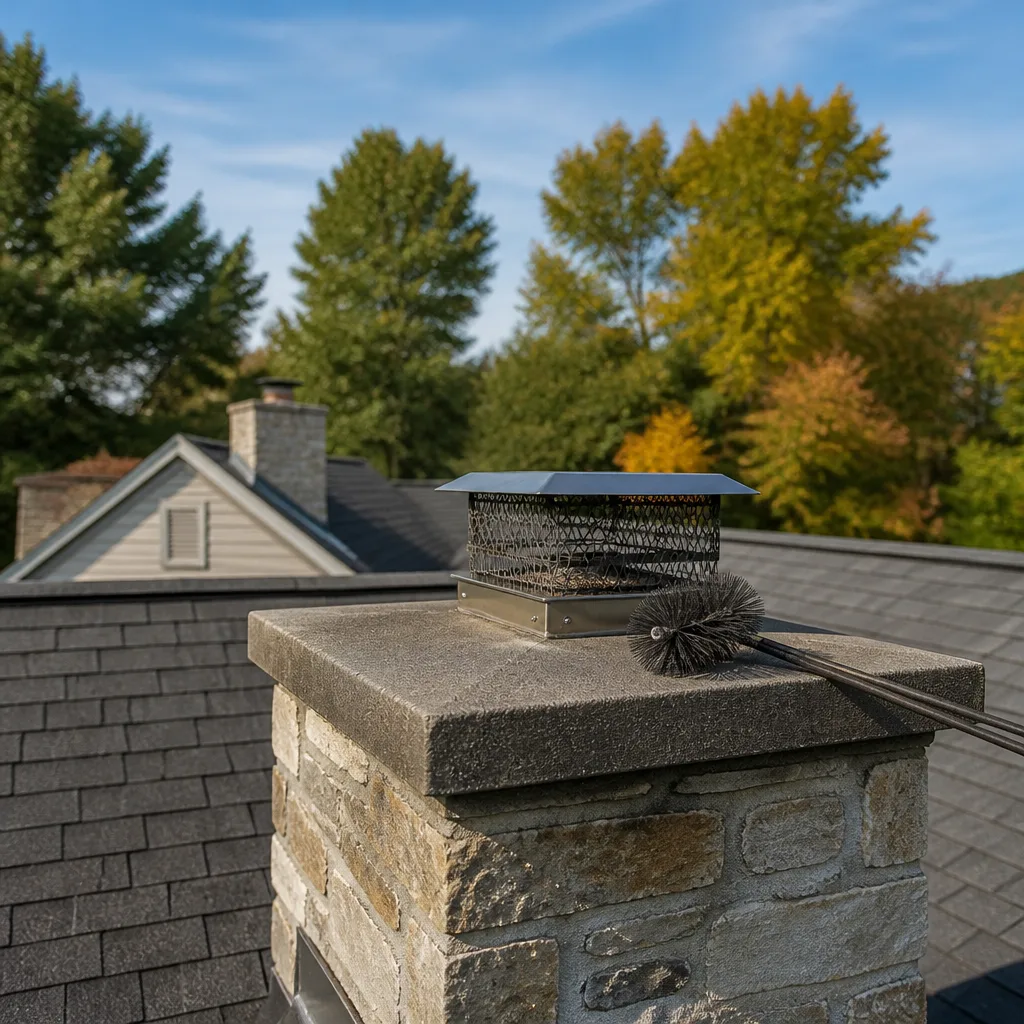 Sweep & inspection
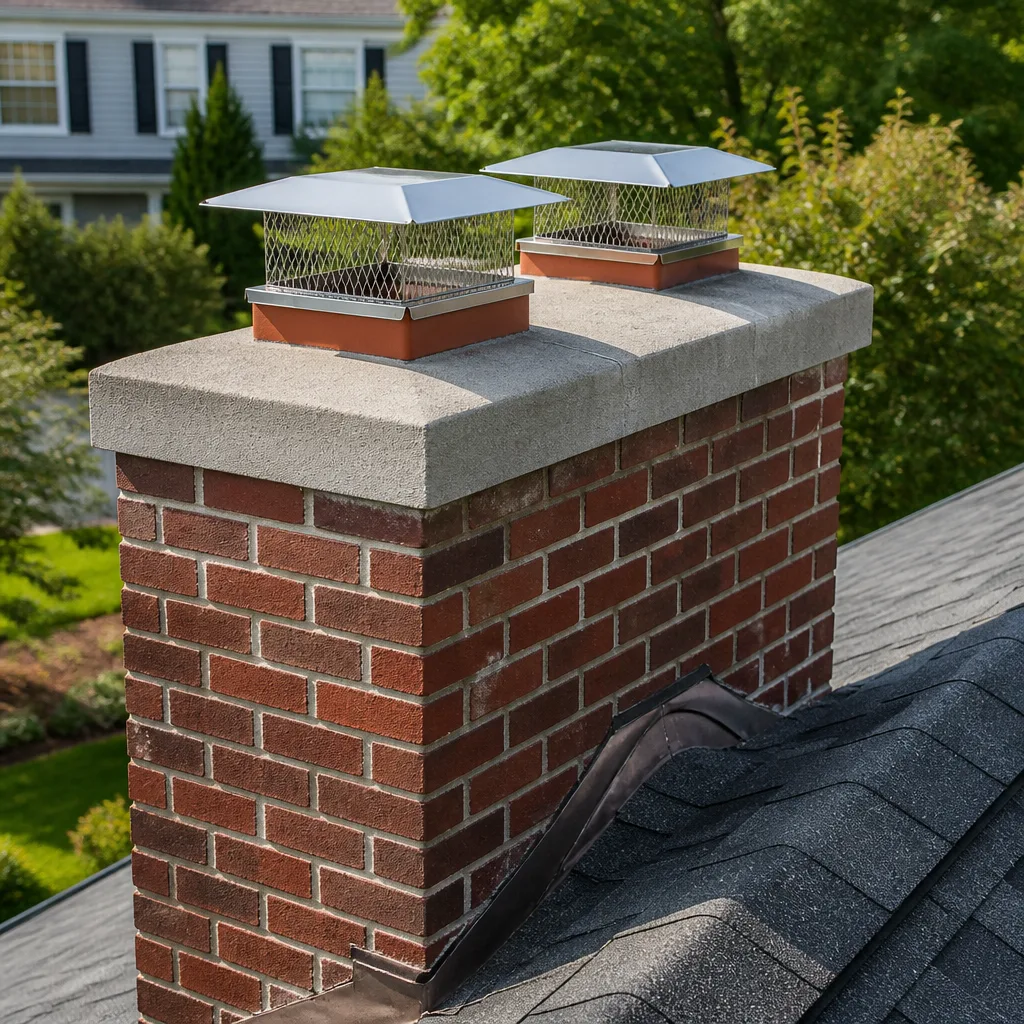 Caps & crowns
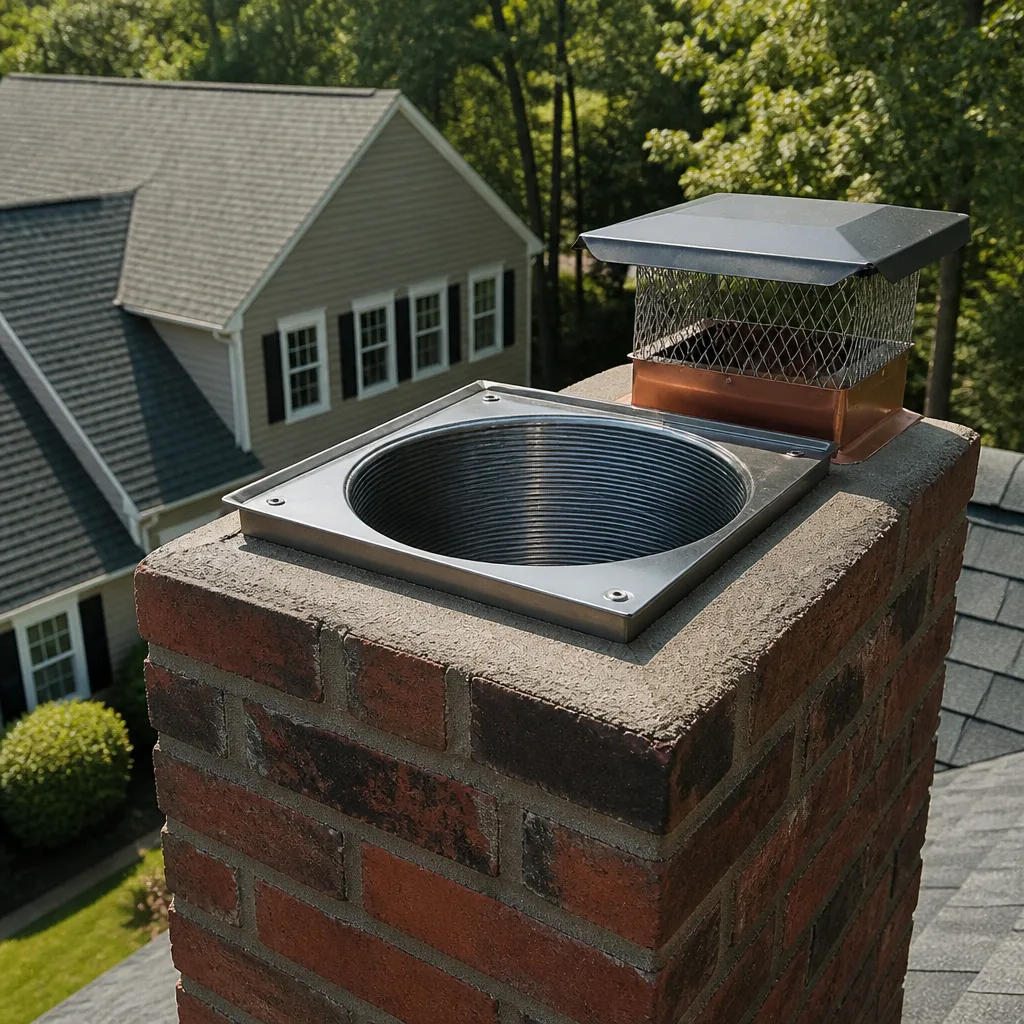 Flue relining
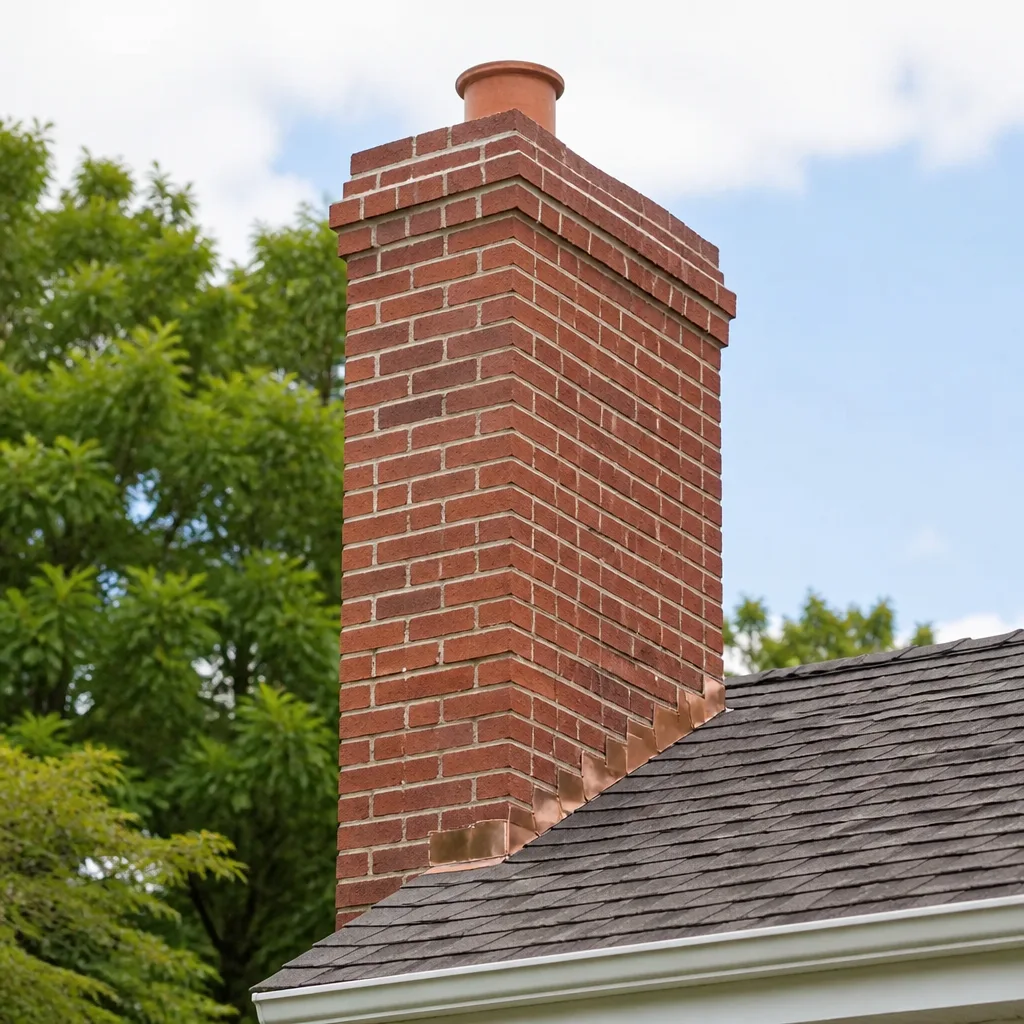 Masonry repair
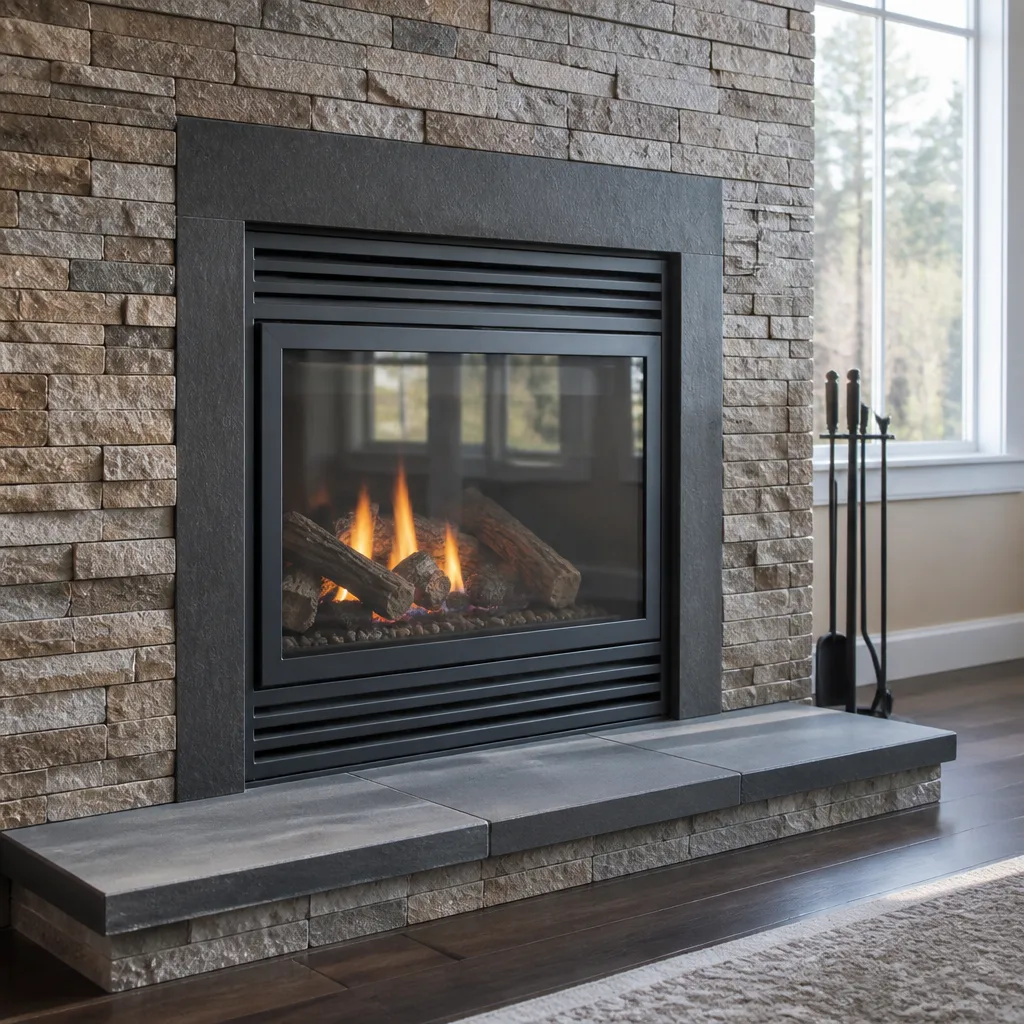 Gas fireplace service
Level 1 sweep and inspection to the NFPA 211 annual standard - flue, crown, cap, and flashing checked and photographed
Chimney sweep logs do not sweep chimneys. They loosen some creosote - which then falls where a brush and vacuum still have to collect it.
Chimney Cleaning Warning Signs: A Knoxville Homeowner’s Reference Guide
The most dangerous warning sign a Knoxville chimney can show isn’t smoke rolling into the living room. It’s a fireplace that drafts perfectly. A flue that pulls like a vacuum can still be glazing creosote onto its walls at a rate that makes a chimney fire likely within a couple of burning seasons, and nothing about the fire on the hearth tells you it’s happening. Knoxville’s housing stock makes this worse than most people realize. Thousands of homes here were built with masonry chimneys that were never lined to modern standards, and our annual rainfall works on that brick from the outside in. This guide covers the quiet, structural warning signs a competent sweep looks for, the ones that show up long before the dramatic symptoms most articles describe.
Quick Answer
The warning signs that matter most in a Knoxville chimney are structural, not theatrical: glaze on the flue walls, white staining on exterior brick, rust on the damper, a firebox back wall that’s darkened in an uneven pattern, and a draft that has become either too slow or too fast. Any one of these means the chimney needs a documented inspection before the next fire. Odor, smoke spillage and visible cracks are late-stage signs, not early ones.
Styles & brands we work with
- Sweep & inspection
- Caps & crowns
- Flue relining
- Masonry repair
- Gas fireplace service
Table of Contents
- What Chimney Odors Tell You in Summer vs. Winter
- Exterior Masonry Signs That Predict Interior Liner Problems
- Reading the Firebox: What Staining Patterns Reveal
- Why Slow Draft and Fast Draft Are Both Warning Signs
- Creosote Stages and the Glaze Problem
- The Crown and Cap: Knoxville’s Most Overlooked Warning Zone
- When a Sweep Becomes a Repair: HeatShield and DuraFlex Triggers
- How Often Should a Knoxville Chimney Be Swept?
What Chimney Odors Tell You in Summer vs. Winter
A chimney smell in July means something completely different from a chimney smell in January, and treating them as the same problem leads homeowners to the wrong conclusion. Summer odor is almost always a moisture and off-gassing issue. Winter odor is a combustion issue. The distinction matters because the fix for one is a cleaning and the fix for the other is often a draft or liner correction.
Summer Odor: Moisture and Creosote Off-Gassing
When the fireplace sits idle and Knoxville’s humid summer air moves through the flue, any creosote left on the walls absorbs that moisture and releases it back into the house as a sour, smoky smell. It’s strongest on still, muggy days and on the first cool evening when the pressure changes. A summer odor is a sign that there’s fuel sitting on the flue walls, and it’s telling you the chimney is overdue. It’s also a sign that water is getting in somewhere, because a dry flue doesn’t produce that smell.
Winter Odor: Incomplete Combustion
A smoky smell during burning season points at combustion. Wet wood, a closed-down damper, a cold flue that hasn’t warmed up, or a firebox that’s larger than the flue can support will all push smoke back into the room. That back-drafting smoke carries carbon monoxide with it, so this isn’t a smell to tolerate until spring. If the smell shows up only when the fire is lit, the chimney needs an inspection before the next burn.
Exterior Masonry Signs That Predict Interior Liner Problems
The outside of a Knoxville chimney tells you what’s happening on the inside, if you know what to read. A lot of the brick chimneys here were laid up decades ago with soft mortar and clay tile liners, and the freeze-thaw cycle we get every winter works on both. High annual rainfall soaks the masonry from the top and the sides, then a hard freeze expands that water and starts opening the joints. What you see on the exterior is the same water finding its way to the liner.
What to Look For
- White, chalky staining on the brick: that’s efflorescence, mineral salts pushed out by water moving through the masonry. It means the chimney is wet inside.
- Crumbling mortar joints: soft, sandy mortar between the bricks is the first stage of spalling. Once the joints go, the brick faces start to flake.
- Spalling brick faces: brick that’s peeling or popping off in layers means water is freezing inside the brick itself.
- Rust streaks below the cap: water is getting past the cap and running down the flue.
- A tilted or cracked crown: the crown is the concrete cap at the very top that sheds water away from the flue. A cracked crown lets water straight down the flue tile.
- Dark staining on the exterior near the top: that’s usually a sign of a flue that’s venting poorly or a liner that’s cracked.
For anyone living in the older neighborhoods around Knoxville, these signs are worth checking every spring. Water damage to a chimney liner doesn’t announce itself. It shows up on the brick months before the flue tile cracks.
Reading the Firebox: What Staining Patterns Reveal
A trained technician can tell a lot about a chimney’s health just by looking at the back wall of the firebox. The staining pattern is a map of how smoke has been moving through the smoke chamber and up into the flue. Uniform darkening of the firebox brick is normal. Irregular patterns aren’t.
Patterns That Signal a Problem
- A dark stripe up one side of the firebox: smoke is favoring one path into the flue. Usually a sign of an off-center flue or a partially blocked smoke chamber.
- A bright, clean spot on the back wall: that’s where combustion is running hotter than the rest of the firebox, often from a fire burning too close to the back or a damaged firebrick.
- Soot streaks radiating out from the damper: a sign that smoke is escaping around the damper frame rather than going up the flue. Smoke chamber geometry is usually the culprit.
- White, chalky residue on the firebox brick: the same efflorescence you see on the exterior, but inside. Water is reaching the firebox, which means it’s coming down the flue.
- Peeling or cracked firebrick: firebrick is rated for high heat; when it cracks, the fire is either running too hot or the brick is water-damaged.
When we see these patterns on a Knoxville fireplace, the next step is a camera inspection of the flue and smoke chamber. The firebox tells us what direction to look. The camera tells us what’s actually happening. We handle fireplace repair alongside standard sweeps, so a firebox that needs rebuilding or resurfacing doesn’t require a separate company.
Why Slow Draft and Fast Draft Are Both Warning Signs
Every chimney has a sweet spot for draft, and both ends of the scale are warning signs. A slow draft means smoke backs up. A fast draft means the fire is burning hot enough to damage the flue. Homeowners tend to worry about the first and ignore the second. The second is often the more expensive problem.
What Causes Slow Draft
- The flue is too cold to establish a draw on a cold morning. This is common in Knoxville on the first cold snap of the season.
- Creosote or debris is narrowing the flue.
- The house is tight and negative pressure from kitchen or bath fans is pulling air down the chimney.
- The firebox opening is larger than the flue can support, so the chimney can’t move the volume of smoke the fire is producing.
What Causes Fast Draft
- The flue is oversized for the firebox, so it pulls hard and cools the smoke before it exits. That cooling deposits creosote on the upper flue walls.
- A short flue or a flue that terminates below a nearby roofline can over-draw.
- A missing or damaged damper gives no control over the draw.
Flue sizing relative to the firebox opening governs both. The standard rule is that the flue’s cross-sectional area needs to match the firebox opening, and when it doesn’t, the chimney either smokes into the room or runs too hot. That’s why a chimney that “works fine” can still be damaging itself every time you light it. Fast draft is the warning sign most homeowners miss, and it’s the one that feeds the glazing cycle.
Creosote Stages and the Glaze Problem
Creosote builds in three stages, and the third stage is where the trouble lives. Stage one is soot and flaky dust, easily brushed off. Stage two is a crusty, tar-like deposit, harder to remove but still workable. Stage three is glaze, a hard, shiny, glassy coating that fuses to the flue tile and cannot be removed with a brush. A chimney with glazed creosote has a significantly elevated chimney fire risk, and the glaze itself is a sign the chimney has been running at the wrong temperature for a while.
How Glaze Forms
- Wet or unseasoned wood burns cooler than seasoned wood, producing more smoke.
- The smoke rises but cools against the flue walls before it can exit.
- The cooled smoke condenses as creosote, first as soot, then as crust, then as glaze.
- Each burn adds another layer, curing the glaze harder against the tile.
This is why a fireplace that drafts perfectly can still be dangerous. The draw is good, but the smoke is exiting too cool, and the flue is paying for it. In Knoxville, the shoulder seasons are the worst offenders: cool mornings and warm afternoons push homeowners to burn low, slow fires that produce maximum creosote. Glazed creosote needs to be addressed with chemical treatment and mechanical removal, not a standard brush sweep. That’s a different job, and we quote it separately after an inspection so you know what you’re dealing with.
The Crown and Cap: Knoxville’s Most Overlooked Warning Zone
Most of the water that damages a Knoxville chimney gets in at the top. The crown and the cap are the two components that keep it out, and both fail quietly. A cracked crown doesn’t announce itself with a leak in the ceiling; it lets water soak into the chimney’s masonry and flue tiles, which then freeze and crack in the winter.
Signs the Crown and Cap Need Attention
- Visible cracks in the concrete crown running from the flue toward the edge of the chimney.
- Crown that’s pulling away from the flue tile or has a gap where it should seal.
- Missing or bent cap: the cap is the metal or masonry cover over the flue. A missing cap lets rain, birds and squirrels straight into the flue.
- Rust on the damper or firebox: the most reliable sign that water is coming down the flue.
- Animal noise in the flue: a sure sign the cap has been compromised.
Crown and cap work isn’t glamorous, but it’s the single most effective repair for stopping water intrusion before it reaches the liner. We install and replace both, and we handle chimney cap & crown repairs on the same visit as a sweep when the inspection shows the need. If you’re buying a home in Knoxville and the inspector flagged the chimney crown, that’s a sign to have it looked at by a specialist rather than patched by whoever happens to be there.
When a Sweep Becomes a Repair: HeatShield and DuraFlex Triggers
A standard sweep handles soot, stage-one creosote and light stage-two deposits. It does not handle a damaged liner, a spalling flue interior or a smoke chamber that’s out of shape. Those need repair-grade products, and the inspection determines which one. This is the point where choosing a sweep-only company leaves you with a handoff to a second provider. We work with HeatShield resurfacing and DuraFlex flexible liner systems because the two cover different problems, and matching the repair to the damage matters far more than picking a favorite brand.
Triggers for HeatShield Resurfacing
- The flue tile is cracked or spalling but structurally intact enough to resurface.
- The smoke chamber has rough, corbelled edges that trap creosote and disrupt draft.
- The firebox needs a refractory resurfacing rather than a rebuild.
- The damage is localized and doesn’t require a new liner.
HeatShield resurfacing restores the flue interior from the inside, without a teardown. It extends the life of a flue that’s still fundamentally sound and saves the cost of full reconstruction. Not every chimney is a candidate; a flue with collapsed tile or offset sections needs a liner instead.
Triggers for DuraFlex Relining
- The flue has no liner at all, or the original clay tile is cracked through.
- The chimney is venting a gas appliance into a flue sized for wood, which needs a properly sized liner to draft correctly.
- Offsets or transitions in the flue make a rigid liner impractical.
- The old liner has failed and cannot be resurfaced.
DuraFlex flexible liner systems are sized to the appliance and the flue, and they’re the standard answer when a flue no longer performs. We also source from Gelco and Copperfield for caps, dampers and related components, because matching the material to the job matters more than carrying one brand across the board. If the inspection shows damage that falls into either repair category, you get the documented findings before any work is quoted.
How Often Should a Knoxville Chimney Be Swept?
Once a year is the standard for a chimney that sees regular use, and Knoxville’s long burning season (October through March, easily) makes annual sweeping the right cadence for most wood-burning homes here. A gas fireplace needs an inspection annually too, even though the creosote load is different. The sweep itself is often quick; the inspection is where the value lives.
The Annual Cycle We Recommend
- Late summer or early fall: sweep and inspect before the first fire. This catches what accumulated over the previous season and gives you time to repair before the cold.
- Mid-season check: if you burn heavily, check the firebox and cap. Watch for uneven draft and rust.
- Spring: after the last burn, have the chimney inspected for water intrusion, crown damage and cap failure. This is when Knoxville’s rain does its work.
A chimney that sees only occasional use can go longer, but annual inspection is still the rule. Inspections are a standalone service, not a sales funnel for a sweep, and the report we produce is documented so you can use it for insurance, a real estate transaction or your own records. For routine cleaning on its own, our chimney sweep service covers the brush work and a visual check of cap, crown and firebox condition.
Common Mistakes to Avoid
- Assuming a good draft means the chimney is clean. A well-drawing flue can be glazing creosote at a rate that raises chimney-fire risk within a couple of seasons. Draft quality tells you the air is moving, not what’s on the walls.
- Waiting for smoke in the house before calling. Smoke spillage is a late-stage sign. Most damage in a Knoxville chimney builds quietly for months before it shows up as backdraft.
- Burning unseasoned wood because it’s what’s available. Green or wet wood is the single biggest driver of glazed creosote. If you’ve been burning wood cut this year, that’s a reason to inspect, not a reason to worry.
- Ignoring the crown because the fire burns fine. A cracked crown lets water in from the top. Water is the leading cause of liner failure in this region’s masonry chimneys, and it works slowly.
- Patching the firebox instead of inspecting the smoke chamber and flue. Firebox staining is a symptom. Repairing the symptom without a camera inspection leaves the actual cause in place.
- Hiring a sweep who doesn’t inspect. A sweep who only brushes is doing half the job. The half that matters for your safety is what the inspection finds.
- Skipping the roof-level look. The cap, crown and top of the flue are where Knoxville’s rain does the most damage, and they’re the parts a ground-level look misses.
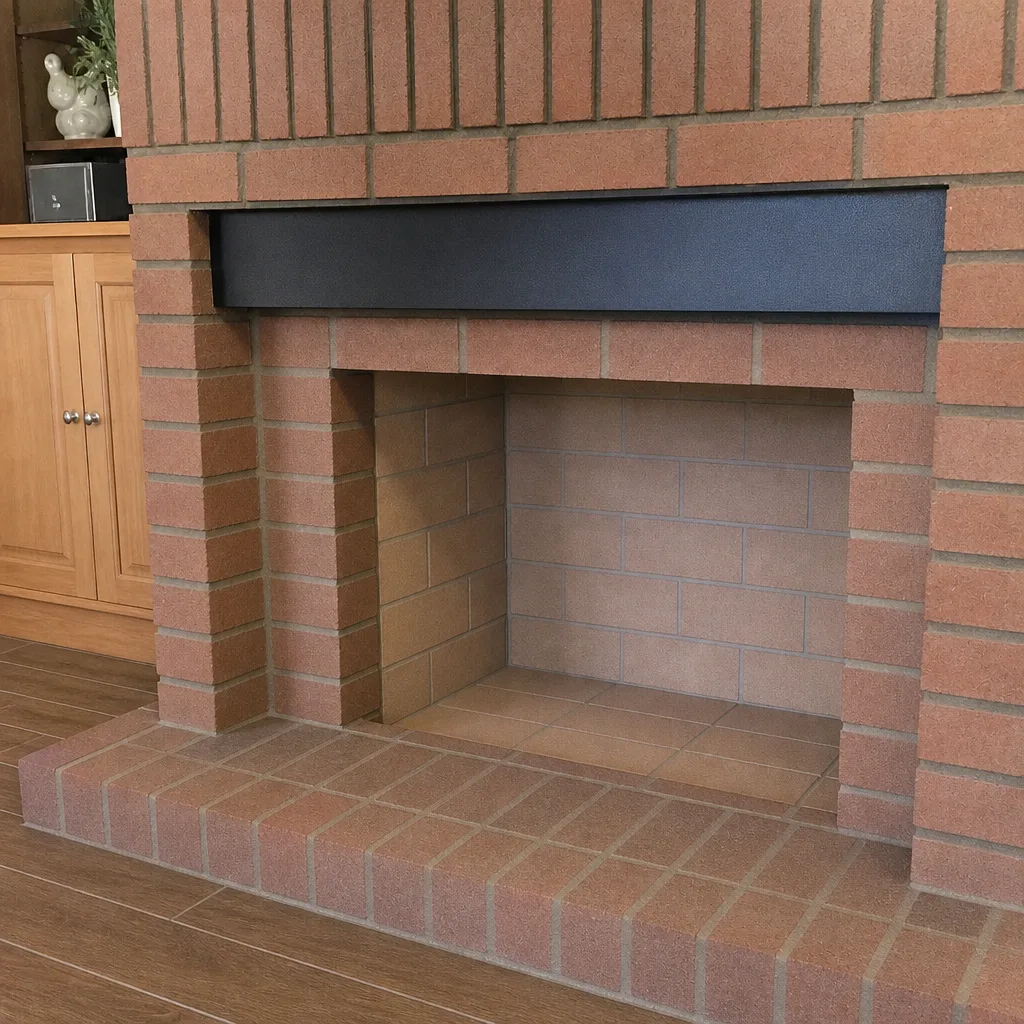
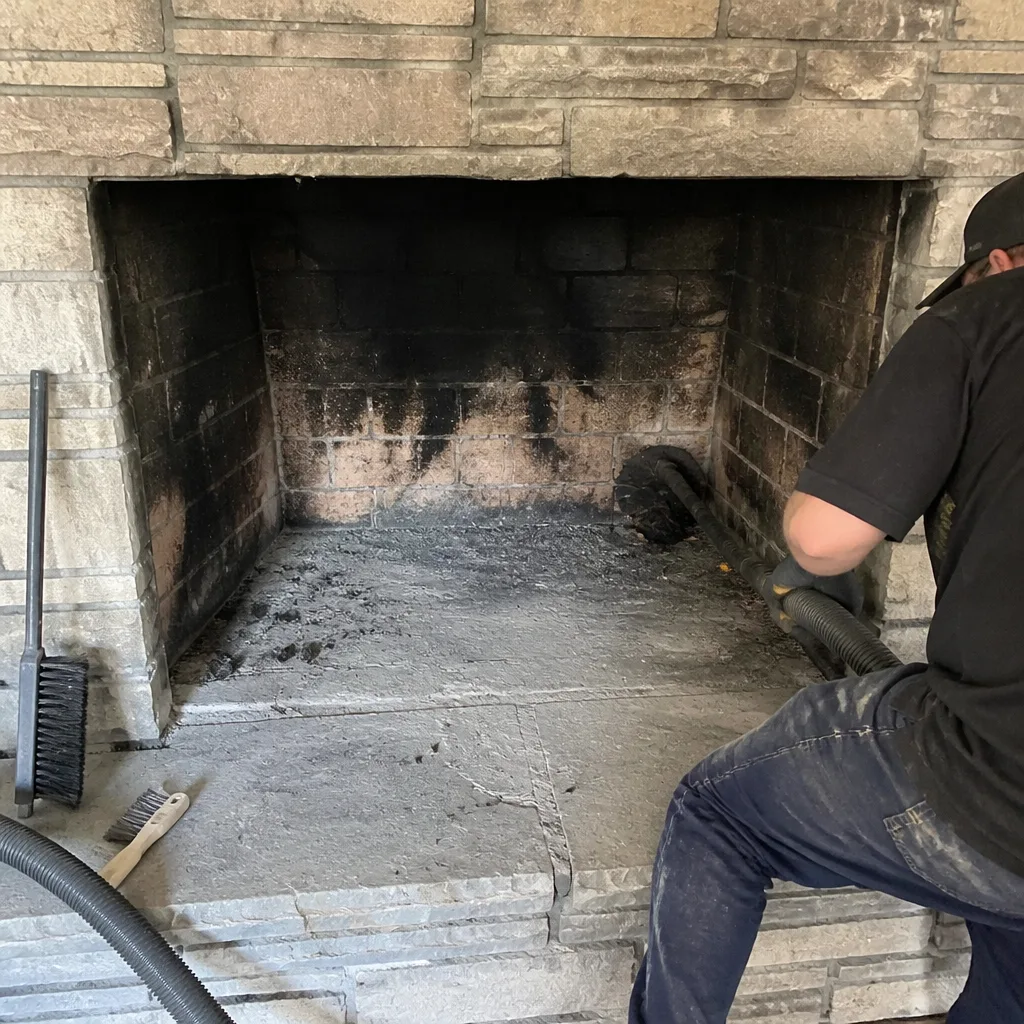
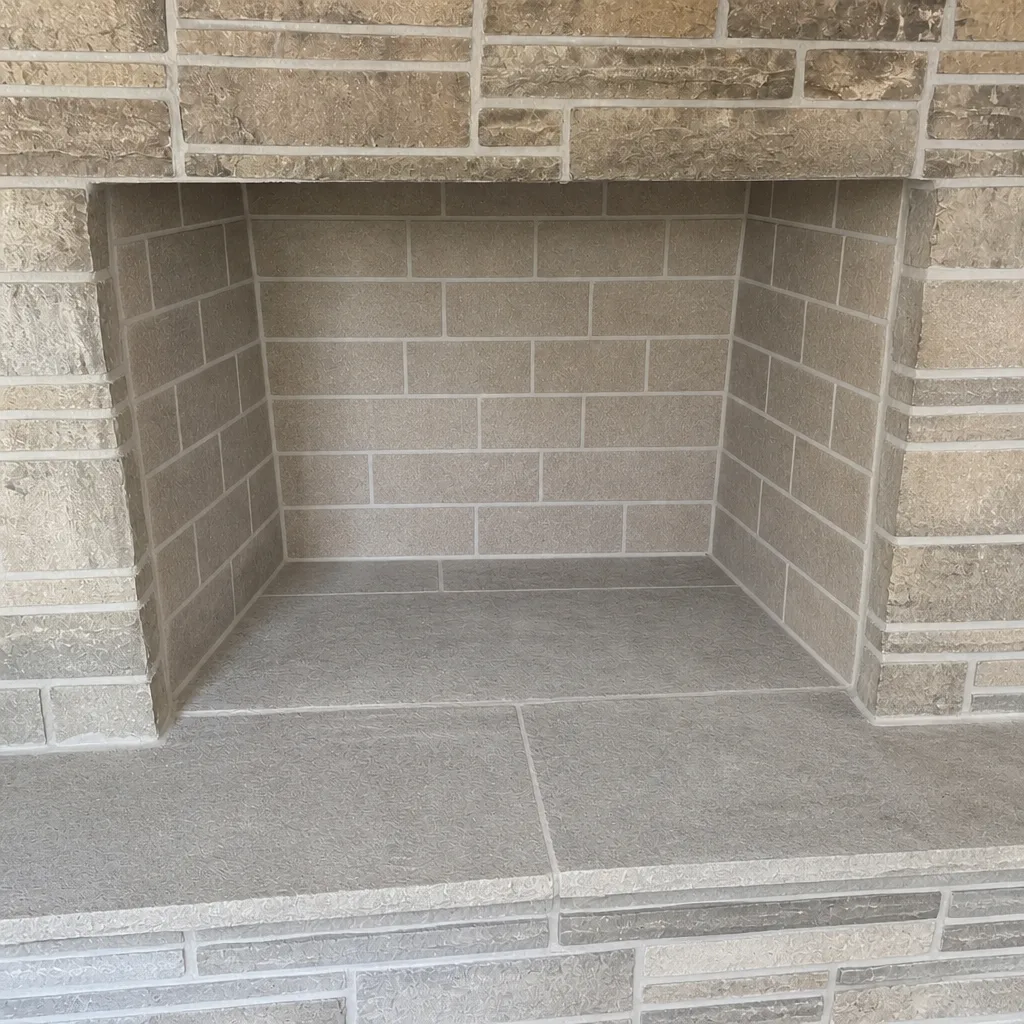
See the difference
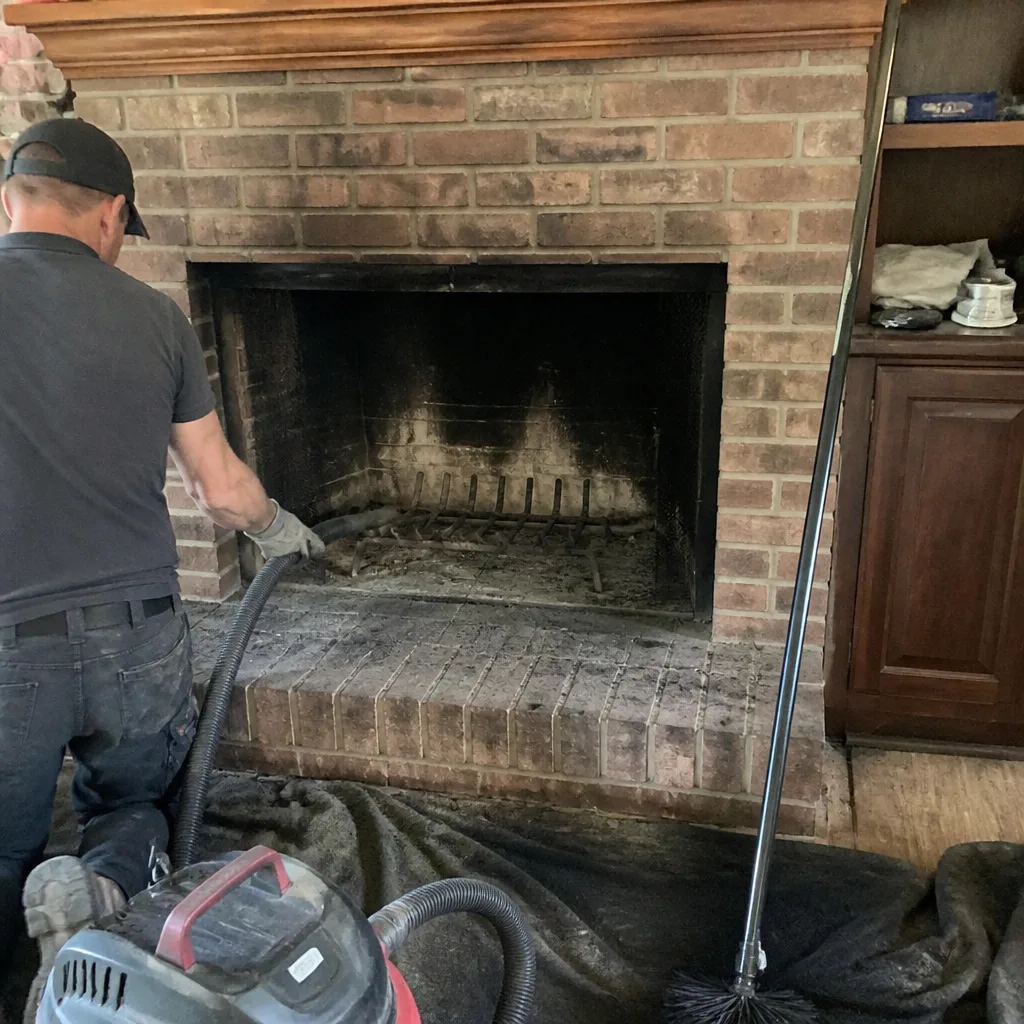 Before
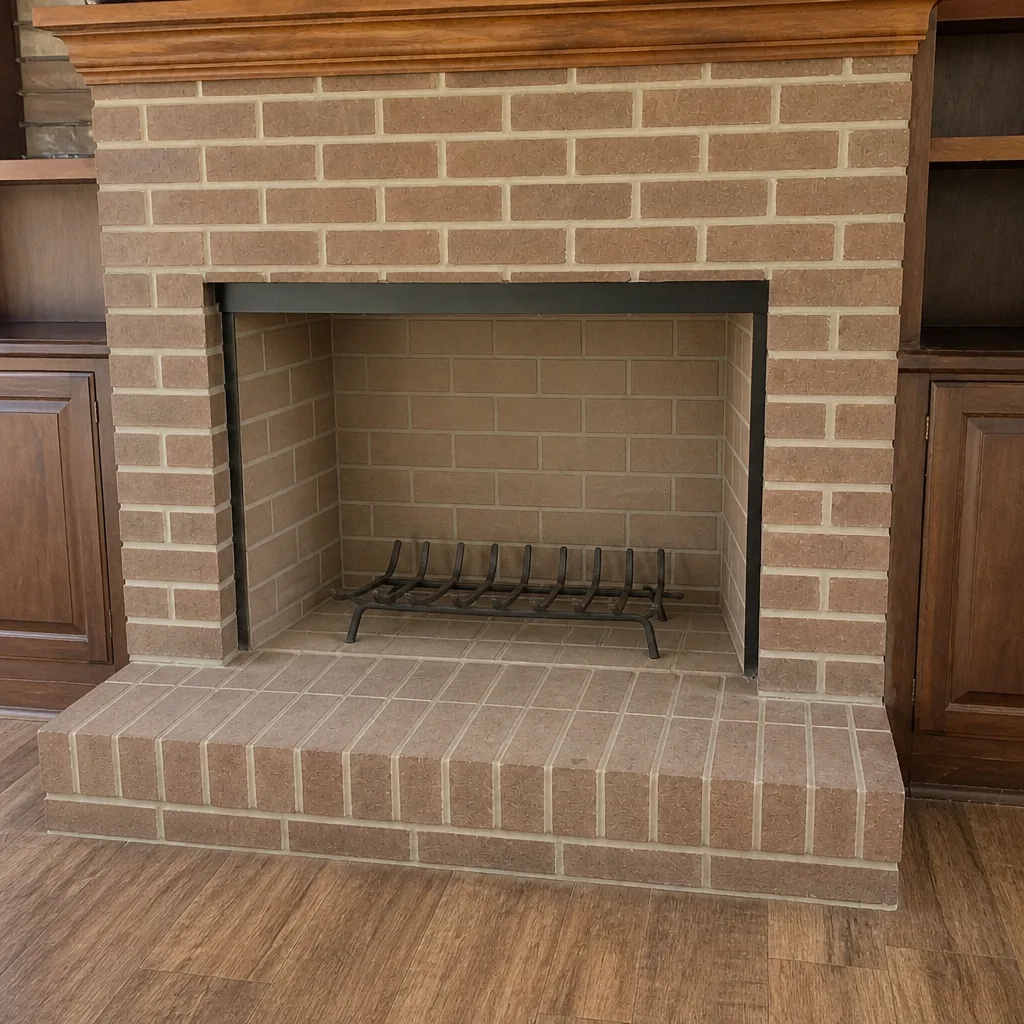 After
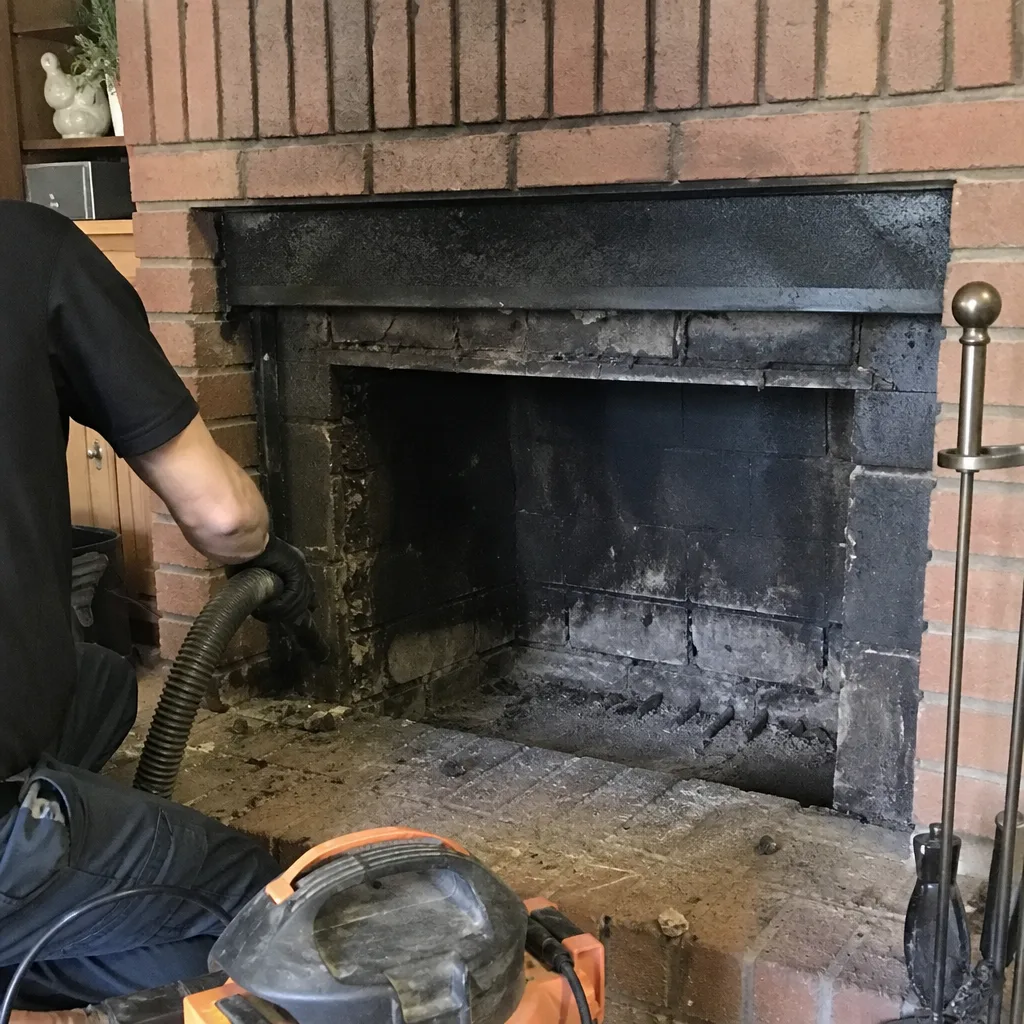 Before
 After
 Before
 After
When to Call a Professional
Some signs you can watch for yourself. Others need eyes on the flue. Call a professional when you see any of the following: white staining on the exterior brick that keeps coming back, a firebox back wall with an uneven stain pattern, a damper that no longer closes cleanly, a chimney odor you can’t shake in the summer, a fireplace that drafts either too slowly or too fast, or visible cracks in the crown. Call sooner if the chimney has no cap, if a home inspector flagged it, or if you’re buying a home in Knoxville and need an inspection report you can hand to a lender or insurer.
The other reason to call is peace of mind on a clean burning season. Know what you have before the first fire. Knoxville Chimney Sweep offers free estimates in Knoxville. Call (844) 542-3766. We answer 24/7. Fast dispatch from 7am to 7pm, Sunday through Friday.
Frequently Asked Questions
A standard chimney sweep in Knoxville is typically priced as an estimate based on the flue’s condition, access and the extent of the cleaning, and the written estimate sets the final price. Repairs like relining or resurfacing are quoted separately after an inspection, so you know what a sweep covers and what it doesn’t. Call (844) 542-3766 for an exact quote. Estimates are free.
Only if the inspection shows the existing liner is cracked, missing or structurally failed. A flue with no liner at all needs one for any wood-burning appliance, and a cracked tile liner needs relining or HeatShield resurfacing to be safe. A sound clay tile that’s just dirty does not need replacement. The camera inspection is what separates the two cases, and we show you the footage before recommending anything.
Once a year for a chimney that sees regular use, and annually for a gas fireplace as well. Heavy burners may need a mid-season check, and a home with a longstanding habit of burning unseasoned wood should be inspected sooner. Knoxville’s burning season runs long enough that an annual cadence fits most homes here. Call (844) 542-3766 to schedule a sweep.
Creosote accumulates, draft degrades and the risk of a chimney fire rises, especially when glaze forms on the flue walls. Water intrusion through a cracked crown or missing cap can damage the liner from the outside, which is the failure pattern we see most in Knoxville’s masonry chimneys. None of this happens overnight; it builds quietly over a season or two. Call (844) 542-3766 for an inspection before the next burn.
No. Glazed creosote can ignite and burn in a way that sounds like a low rumble or a distant roar, and a homeowner may not connect it to the chimney. Visible flames from the top, a loud roar and a strong smell are signs of a serious fire, but quieter burns happen. That’s another reason the warning signs are structural rather than dramatic: a burned-out flue from a quiet fire looks fine from the living room.
Yes, and it’s common. Water enters through a cracked crown, a missing cap or failing mortar joints, soaks into the masonry, and freezes in winter. The damage shows up as spalling brick, cracked flue tile and rust on the damper before any water reaches the ceiling. Annual inspection is the way to catch it early. Call (844) 542-3766 for a documented assessment.
The Bottom Line
The warning signs worth watching in a Knoxville chimney aren’t the dramatic ones. They’re the quiet structural indicators: glaze on the flue walls, white staining on the brick, a firebox back wall with an uneven pattern, a draft that’s become either too slow or too fast, and a crown or cap that’s failing. A chimney that draws well can still be a hazard, and water from our annual rainfall does its damage from the top down. The way to know what you have is a documented inspection, and the time to know it is before the first fire of the season. From Knoxville Chimney Sweep, we handle the inspection, the sweep, the repairs and the liner work in one place, with materials matched to the job rather than a single default.
Call (844) 542-3766 for a free estimate. We answer 24/7. Fast dispatch from 7am to 7pm, Sunday through Friday.
Written by the team at Knoxville Chimney Sweep.