
Last updated November 25, 2026
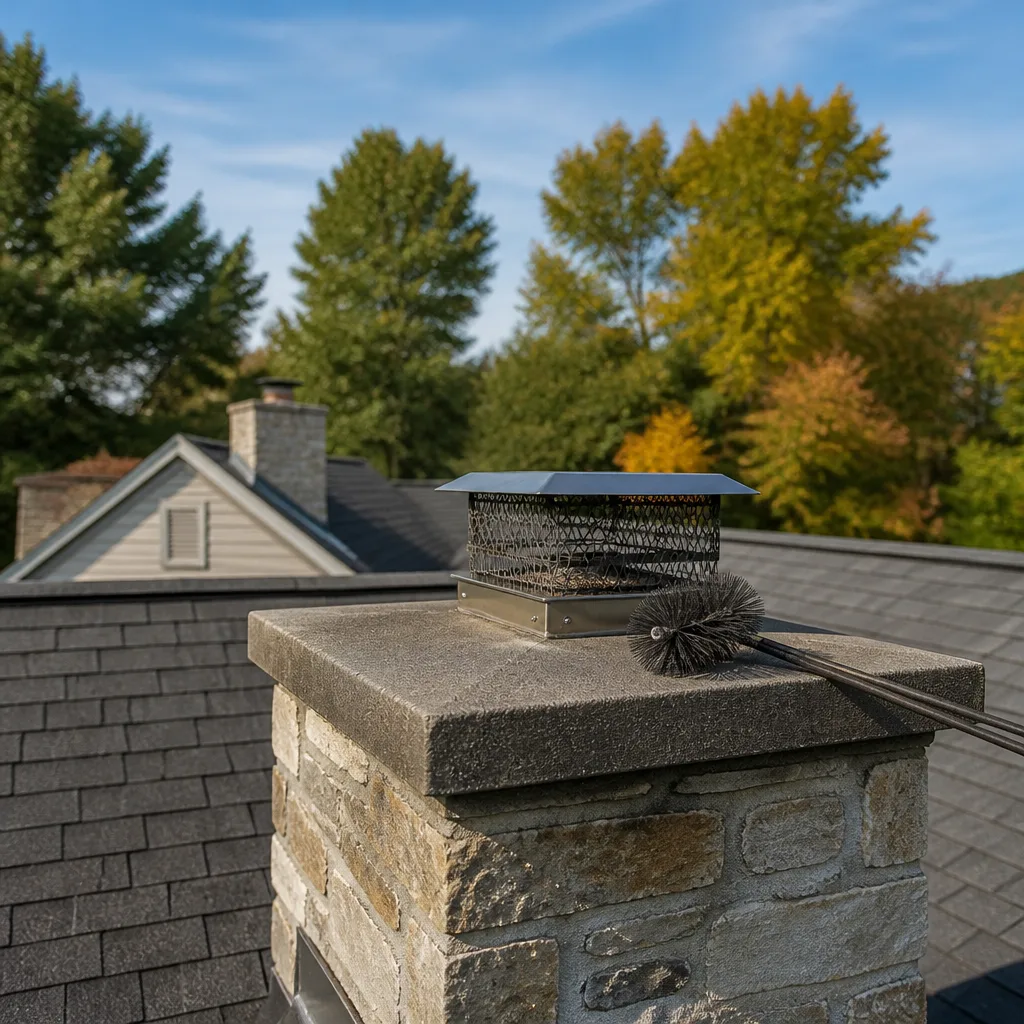 Sweep & inspection
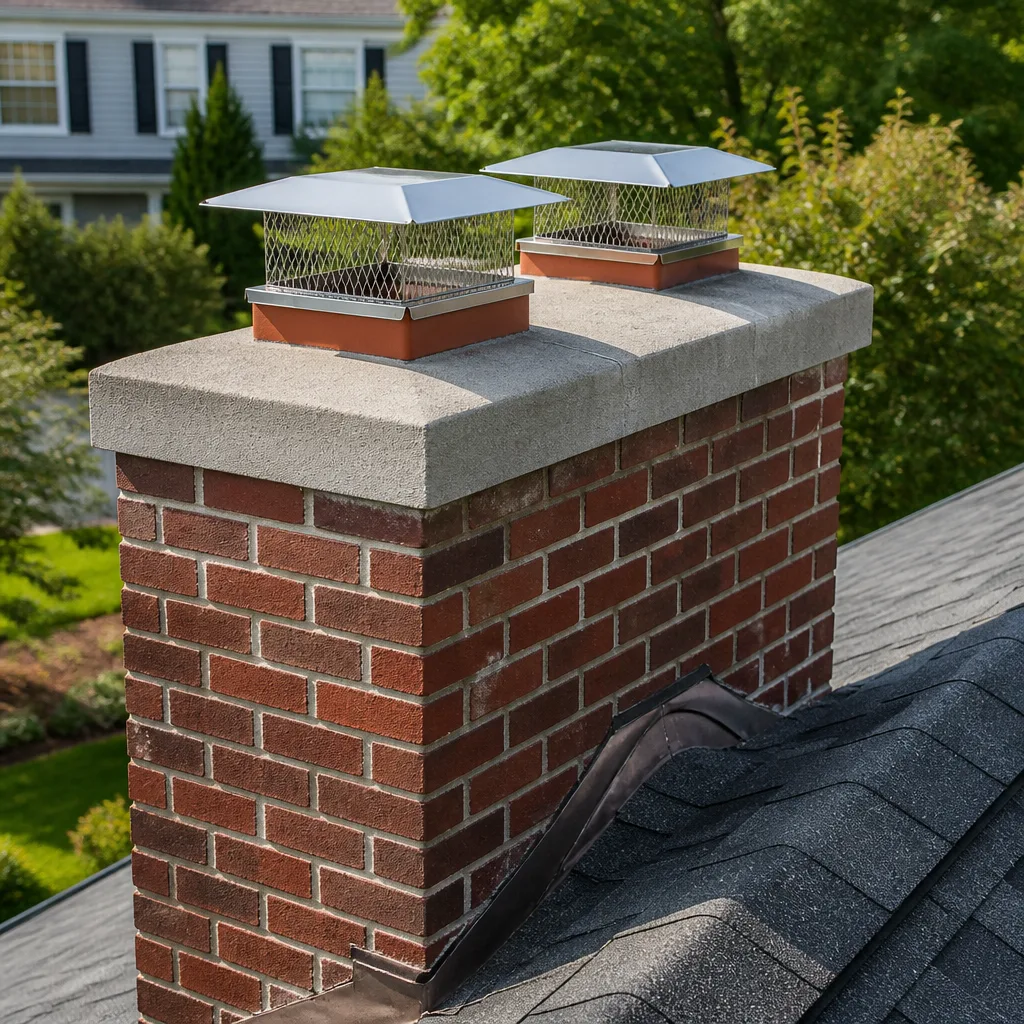 Caps & crowns
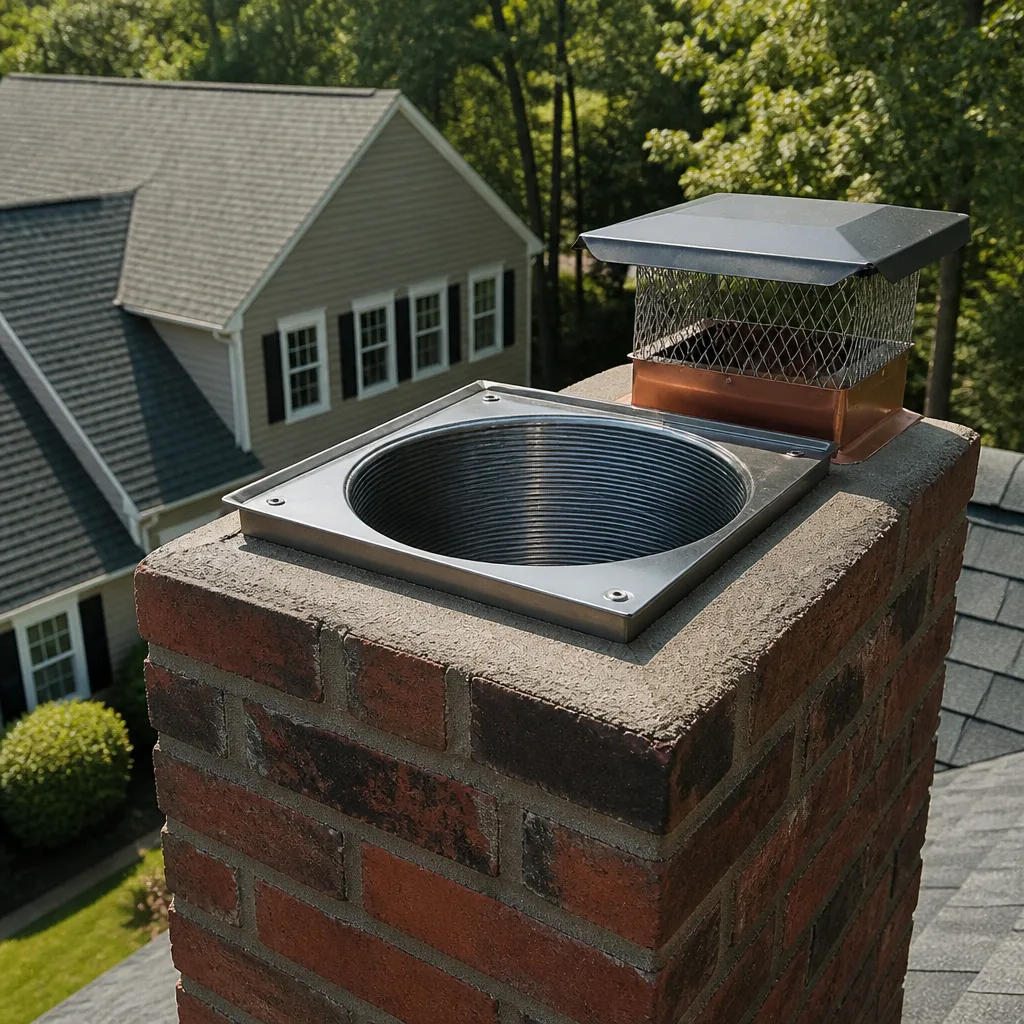 Flue relining
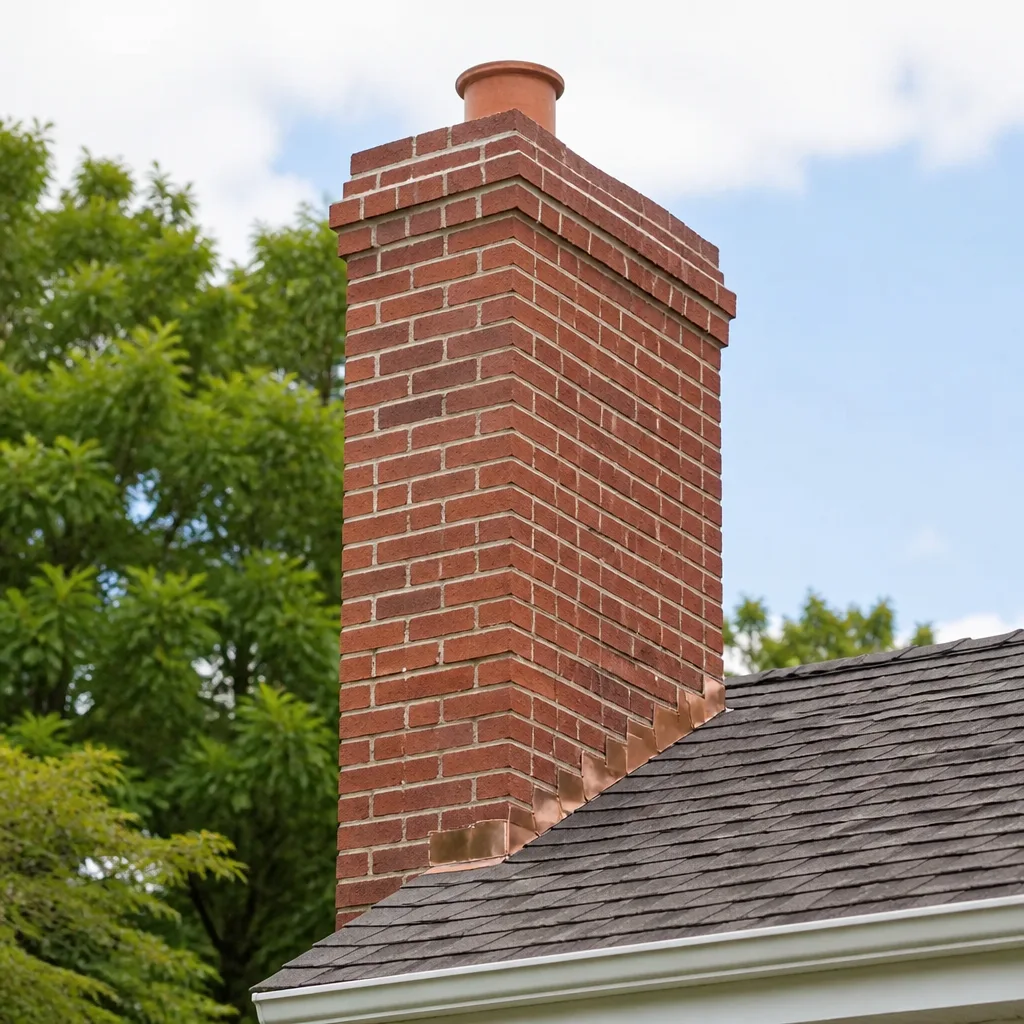 Masonry repair
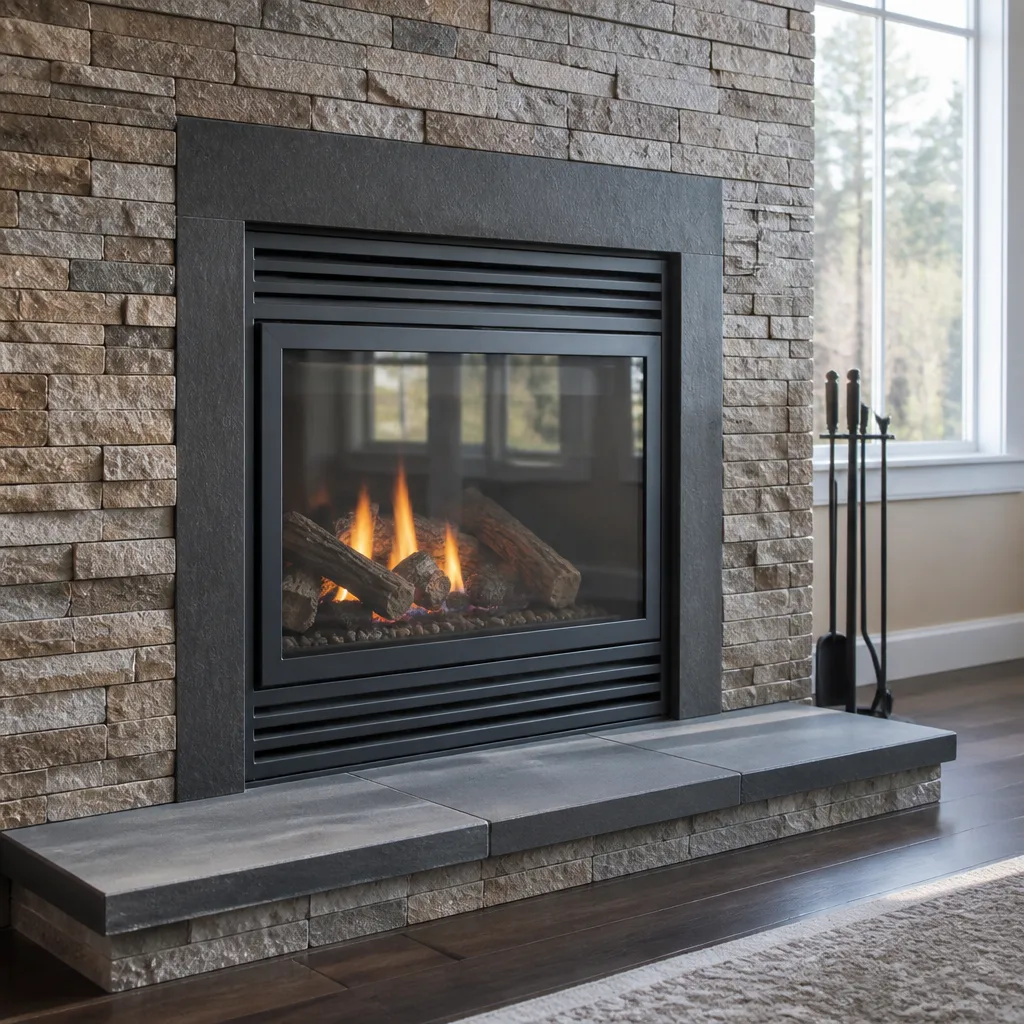 Gas fireplace service
Level 1 sweep and inspection to the NFPA 211 annual standard - flue, crown, cap, and flashing checked and photographed
Chimney sweep logs do not sweep chimneys. They loosen some creosote - which then falls where a brush and vacuum still have to collect it.
Chimney Sweep Troubleshooting in Knoxville: Common Problems and How to Fix Them
Smoke rolling back into your living room could mean a blocked cap, a collapsed flue tile, a depressurized house, or simply a cold flue, and the fix for one will do nothing for the others. Most homeowners lump all of these under “draft issues” and start guessing, often spending money on a liner they didn’t need while the real problem sits untouched on the roof. In this guide, we break chimney trouble into separate symptom categories with different root causes, show you which problems you can safely handle yourself and which need a technician, and explain how to read an inspection report so a recommended repair actually matches what your chimney is doing. You’ll also see how Knoxville’s ridge-and-valley topography changes wind behavior over your flue.
Quick Answer
Chimney problems in Knoxville usually fall into four categories: smoke rollback, slow draw, odor, and visible damage, and each has a different cause and fix. Homeowners can safely warm a cold flue, adjust a damper, and check for obvious blockages, but flue tile cracks, liner failure, and spalling mortar at the smoke chamber require a technician. The right first step is a documented inspection, not a guess.
Styles & brands we work with
- Sweep & inspection
- Caps & crowns
- Flue relining
- Masonry repair
- Gas fireplace service
Table of Contents
- Diagnose by Symptom, Not by Guess
- Smoke Rollback: Why It Happens and What Fixes It
- Slow Draw and Weak Draft
- Odors When the Fireplace Isn’t in Use
- Visible Damage: What You’re Actually Looking At
- How Knoxville’s Ridges and Valleys Create Fake Liner Problems
- Spalling Mortar at the Smoke Chamber
- How to Read a Level 1 vs. Level 2 Inspection Report
- Common Mistakes to Avoid
- When to Call a Professional
Diagnose by Symptom, Not by Guess
The single most useful thing a homeowner can do is describe the symptom precisely. “My chimney doesn’t work right” gives a technician nothing. “Smoke comes back into the room for the first ten minutes, then it draws fine” points to a cold flue. “The fire smokes the whole time, worse on windy days” points somewhere else entirely. The symptom is the map.
Here’s a simple diagnostic tree you can walk through before anyone comes out:
- When does it happen? First fire of the season only, or every fire? First fire points to a cold flue. Every fire points to a blockage, a sizing problem, or a liner issue.
- What’s the weather doing? Worse on windy days points to a cap, crown, or flue height problem. Worse on still, damp days points to draft and negative pressure.
- Is there an odor when there’s no fire? That’s a separate category from smoke and needs its own answer.
- What can you see? Look at the firebox, the damper, the smoke chamber above it, and the cap from the ground with binoculars. Spalling mortar, cracked tiles, and rusted caps are visible.
In our experience, Knoxville homeowners who do this exercise first save themselves the cost of a wrong repair. One firebox-level symptom and one flue-level symptom often get quoted as the same job, and they shouldn’t be. Knowing what you have before the first fire of the season is worth more than any app or gadget.
A full Knoxville Chimney Sweep assessment starts here: with a precise symptom description and a documented inspection that records what’s actually inside the flue, not just what could be.
Smoke Rollback: Why It Happens and What Fixes It
Smoke rollback is the most common chimney complaint we hear in Knoxville, and it has four common causes. The most frequent one is a cold flue, especially on the first fire of the season, when the column of air inside the chimney is colder and heavier than the room air and refuses to rise. The second is a blocked cap or screen, often clogged with creosote, leaves, or a bird’s nest. The third is a depressurized house, where exhaust fans and tight modern construction starve the fire of air. The fourth, less common, is a damaged or undersized flue that can’t move enough air.
Here’s how to tell them apart:
- Cold flue: smoke rolls back for a few minutes, then the fire catches and draws normally. Fix: warm the flue before lighting with a rolled newspaper torch held near the damper.
- Blocked cap: smoke rolls back consistently and you may smell a stale, sooty odor. Fix: clear it. This is the safest cause to check yourself by looking at the cap from the ground.
- Negative pressure: smoke rolls back when the kitchen or bath fan runs, or when the furnace cycles. Fix: crack a window near the fireplace, check the damper position, and have a technician evaluate the flue sizing and height against the house.
- Damaged flue: smoke rolls back along with an acrid smell, and the fire burns slowly. Fix: a chimney sweep and inspection to see what’s actually inside.
Most rollback problems live in the first three causes, and most resolve with a warmup, a cleared cap, or a cracked window. If yours persists after all three checks, the flue itself is the next thing to look at. Restore the flue, don’t just patch it around the symptom.
Slow Draw and Weak Draft
A slow-drawing chimney is a chimney that moves air, just not enough. In Knoxville we see this most often on older homes with undersized flues relative to their firebox opening, and on taller homes where the flue meets a ridge line and struggles to overcome the pressure that builds there. It also shows up in newer construction where the house is built tight enough that it can’t supply the fire with make-up air.
Here’s what a technician actually looks at when you report slow draw:
- Flue size vs. firebox opening. A rule of thumb in the trade is that the flue should be roughly one-tenth the area of the firebox opening. Undersized means the fire smokes no matter how warm it is.
- Flue height. The flue needs enough rise above the roof line and above any nearby ridge or tree to draft reliably. Knoxville’s ridges mean “above the roofline” isn’t always enough.
- Flue obstructions. Creosote buildup, blockages, and collapsed flue tiles all restrict flow.
- House pressure. Modern homes with tight envelopes and strong exhaust fans pull air the fireplace needs.
If the flue turns out to be structurally compromised, a flexible liner system like chimney cap & crown work in combination with a documented inspection is the answer most often needed, and DuraFlex liners are what we install in most compromised-flue cases. The point is to match the fix to the actual measurement, not to sell a liner to every slow-drawing fireplace.
Odors When the Fireplace Isn’t in Use
Chimney odor is a separate problem from smoke and shows up in two forms: creosote smell, which is the sharp, campfire odor that comes from a dirty flue, and draft-down smell, which is the musty, ashy odor that comes when the chimney pulls air backward and brings the firebox smell into the house. Creosote smell means the flue needs a sweep. Draft-down smell means the chimney is behaving like an exhaust rather than a draft, which often points to pressure, temperature, or a damper that won’t close fully.
Knoxville’s summer humidity makes odor worse, because the moisture in the air mixes with the creosote residue on the flue walls and carries the smell back down. Homeowners often first notice the odor when they turn on the air conditioning or come back from vacation. If your fireplace smells even when it hasn’t been used, the standard fix is a sweep followed by an inspection to confirm the damper is closing and the cap is doing its job.
If you smell an odor and the firebox looks fine, don’t assume you need a repair. Start with a sweep. A clean flue is the first thing to rule out before any other work.
Visible Damage: What You’re Actually Looking At
Visible damage is where homeowners most often guess wrong, because a cracked mortar joint or a stain on the ceiling can come from several different sources. Here’s what to look at, in order of what you can safely see:
- The firebox. Cracks in the firebrick are common and not always critical. Cracks wider than a quarter inch or displaced brick need a technician.
- The damper. A damper that won’t fully open or close is a mechanical issue, and it affects both smoke and odor.
- The smoke chamber. The sloped area above the damper. Look for spalling mortar, which we cover separately below.
- The flue. From the top, a technician can see cracked or missing flue tiles, heavy creosote, and liner damage. You can’t see this from the firebox.
- The crown and cap. Look at the top of the chimney from the ground with binoculars. Cracks in the crown, a missing cap, and a rusted screen are all visible.
What you can’t do safely is climb the roof yourself, and we don’t recommend it. Heights, weather, and roof pitch are the three reasons to leave it to a technician. Once you’ve made your ground-level observations, call for the inspection. It’s the safest way to know what you have.
How Knoxville’s Ridges and Valleys Create Fake Liner Problems
Knoxville sits in the Tennessee Valley, and the ridges and valleys that surround the city create localized wind patterns that can mimic a liner problem. When the prevailing wind comes over a ridge and drops into a valley, it accelerates and shifts direction at the roof line, and a chimney on the leeward side of a house can see a pressure drop that pulls smoke backward even when the flue is in perfect condition. Homeowners in areas like Sequoyah Hills, Bearden, and the ridges above Fountain City report this pattern more often than you’d expect, and it almost always shows up as “worse on windy days, fine otherwise.”
The key diagnostic question is whether the problem gets better when the wind shifts. If your chimney draws fine on calm days and rolls back whenever the wind is out of a specific direction, the flue isn’t the problem. The chimney’s relationship to the ridge, the trees, and the roofline is. Fixes for this include raising the flue, correcting the cap, or in some cases installing a different cap that reduces turbulence. What it doesn’t call for is a new liner, and if someone quotes you one without checking wind direction, ask why.
We’ve seen this confusion turn into unnecessary relining work more than once. Matching the fix to the pattern is the whole point of the diagnostic work above.
Spalling Mortar at the Smoke Chamber
Spalling mortar at the smoke chamber is the one structural indicator we watch most closely in Knoxville homes, particularly those built before 1980. The smoke chamber is the sloped section above the damper and below the flue, and it’s built from mortar that was never meant to be fire-rated in the way the firebox is. Over decades of heating and cooling, the mortar in the smoke chamber can flake, pit, and spall, dropping material into the damper and creating rough surfaces that collect creosote.
Here’s why it matters: a rough, spalling smoke chamber is a fire hazard and a draft problem at the same time. The rough surface catches creosote that the firebox downstream never sees, and the spalled material can restrict the damper. In our experience, Knoxville homes in neighborhoods built out in the mid-20th century show this more often than newer construction, and it’s the reason a smoke chamber inspection belongs in any annual or home-purchase assessment.
The professional fix for a spalling smoke chamber is resurfacing rather than a teardown, and HeatShield is the product we use for most of these jobs. It restores the chamber interior to a smooth, fire-resistant surface without rebuilding the chimney. If a technician tells you the only fix is to demolish and rebuild, ask whether resurfacing is an option.
How to Read a Level 1 vs. Level 2 Inspection Report
A Level 1 inspection is a visual check of the readily accessible parts of the chimney with the fireplace in normal service, and it’s what a routine annual sweep includes. A Level 2 inspection goes further: it includes a video scan of the flue, and it’s required when you’re buying or selling a home, after a chimney fire, or after any change to the system like a liner or appliance swap. Knowing which one you’re reading is the first step to knowing whether the recommended repair matches your symptom.
Here’s how to read the report you get back:
- Find the symptom. The report should name what you reported and what was found. If those two things don’t line up, ask.
- Look for the photo or video evidence. Any recommendation beyond a sweep should come with a picture or video of the inside of the flue. If you don’t see one, ask for it.
- Check the recommendation against the finding. A spalling smoke chamber calls for resurfacing. A cracked flue tile calls for a liner. A cold-draft symptom calls for neither.
- Ask what happens if you wait. Some repairs are urgent; some can safely be scheduled for the next burning season. A report should tell you which is which.
- Get the estimate in writing. The written estimate sets the final price, and it should match the report.
Inspection as a standalone service is exactly what this should be: a documented assessment you can use for insurance, real estate, or your own understanding. It isn’t a funnel to a repair. If the report is honest, the repair will match the symptom every time.
Common Mistakes to Avoid
- Treating every smoke complaint as a flue problem. Rollback from a cold flue, a blocked cap, and wind over Knoxville’s ridges all look the same from the living room. They have three different fixes, and only one of them involves the flue.
- Relining a chimney before sweeping it. A liner installed over creosote or a partially blocked flue hides the problem instead of fixing it. Sweep first, then assess.
- Skipping the smoke chamber in the inspection. The smoke chamber is where spalling shows up first in older Knoxville homes, and it’s easy to overlook if the inspection stops at the firebox.
- Accepting a quote without photo evidence. If the recommendation isn’t shown on camera, you have no way to verify it. Ask for the picture every time.
- Assuming a cracked firebrick means a rebuild. Most firebox cracks are cosmetic; displaced brick and cracks wider than a quarter inch are the ones that matter.
- Ignoring odor between fires. Creosote smell and draft-down smell both point to something the chimney is telling you. It’s easier to address before burning season than during it.
- Burning unseasoned wood. Wet wood creates more creosote and more odor, and it makes slow draw worse. Seasoned wood is the single biggest thing a homeowner controls.
When to Call a Professional
Call a technician when you smell smoke or see it rolling back after a warmup and a cleared cap, when the flue shows visible damage on a ground-level check, when you notice spalling mortar above the damper, when a home inspection flags anything in the chimney, or when you haven’t had the flue looked at in a while and you’re getting ready for burning season. Call before you cap, before you reline, and before you rebuild. Our technicians have up to 11 years of experience, and we work from the cap to the firebox so the diagnosis covers the whole system. Knoxville Chimney Sweep offers free estimates in Knoxville. Call (844) 542-3766. We answer 24/7. Fast dispatch from 7am to 7pm, Sunday through Friday.
See the difference
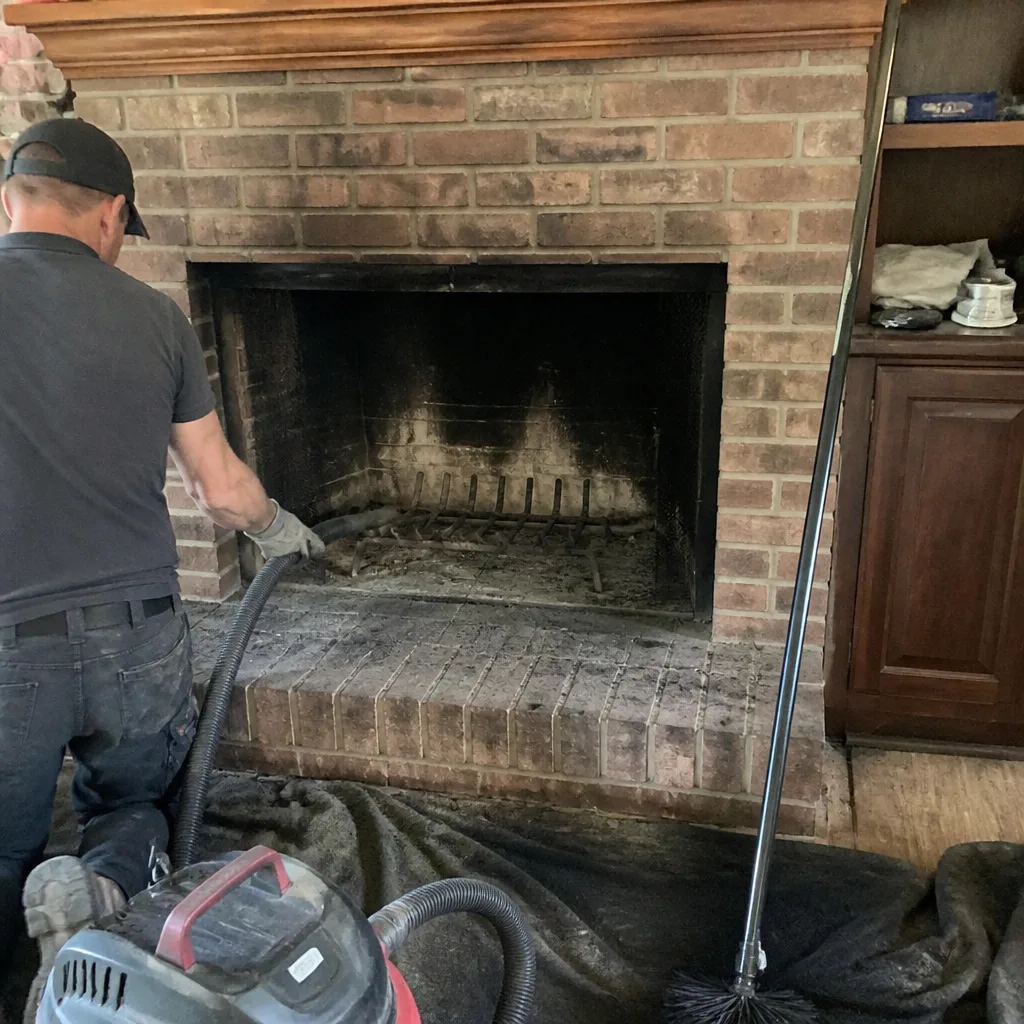 Before
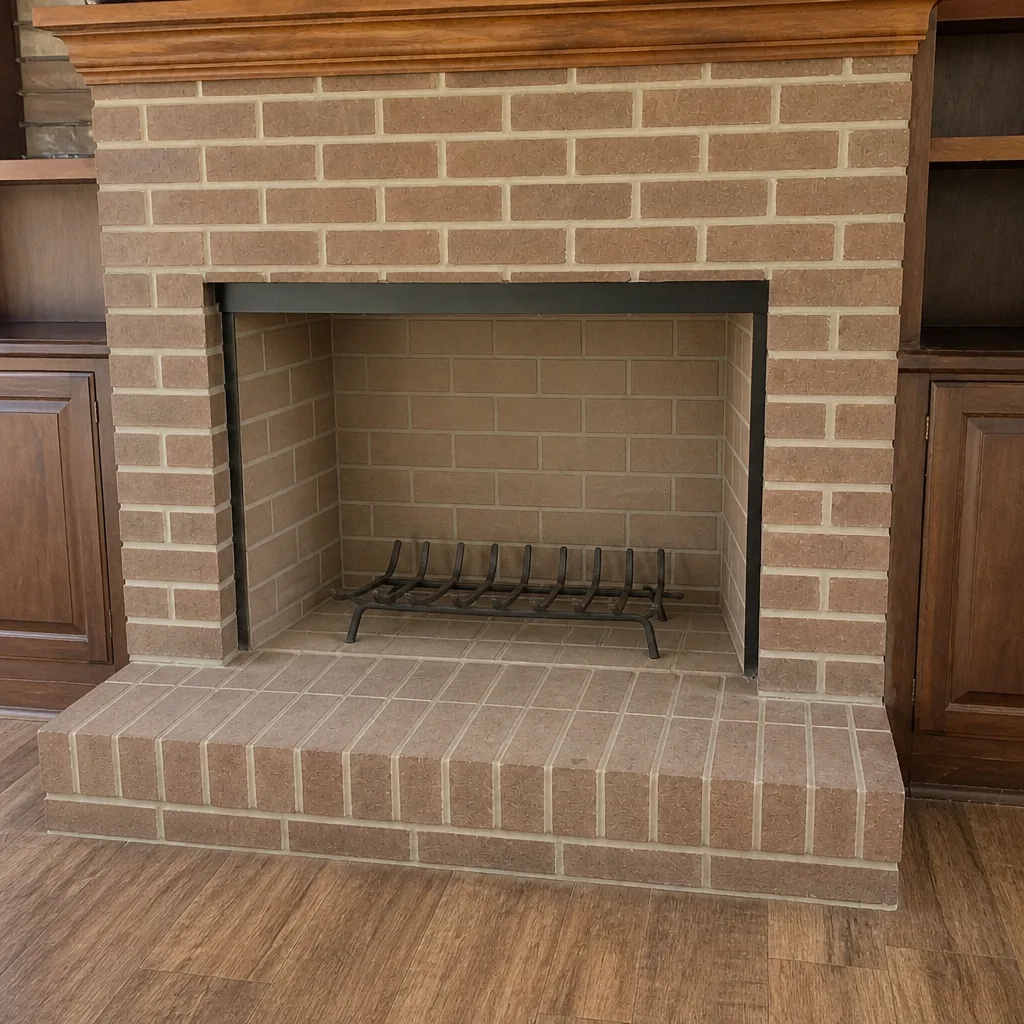 After
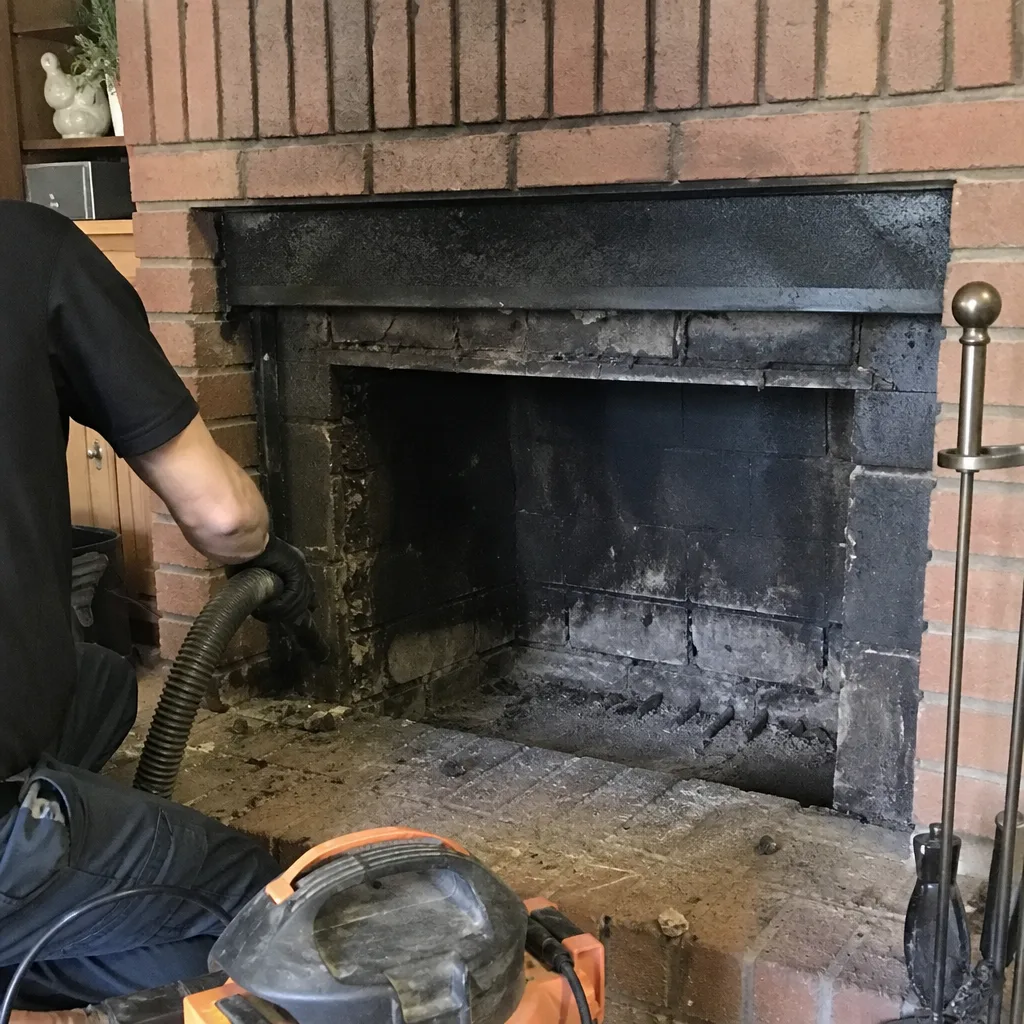 Before
 After
 Before
 After
Frequently Asked Questions
Most wood-burning chimneys should be swept once a year, and more often if you burn heavily through the season. Gas fireplaces typically need less frequent sweeping but still benefit from an annual inspection. In Knoxville’s humid summers, odor between fires is a good reason to call before the fall rush.
Only if the flue itself is compromised, which means cracked or missing flue tiles, heavy creosote that won’t sweep clean, or a flue that’s structurally failing. A cold draft, a blocked cap, or a wind-related rollback does not call for a liner. The inspection report should show the reason on camera before any liner is quoted. Call (844) 542-3766 for an exact quote. Estimates are free.
Creosote builds up on the flue walls, and heavy creosote is the fuel source for a chimney fire. Slow draw gets worse, odor gets stronger, and a small flue problem can become a structural one. Skipping a year isn’t an automatic emergency, but knowing what’s inside the flue is the only way to know whether you’re safe.
Sometimes, yes. Warming the flue with a rolled newspaper torch, cracking a window to relieve negative pressure, and checking the cap for blockage are all safe homeowner steps. If those three don’t solve it, the next step is an inspection. Don’t climb the roof to check the cap yourself.
That pattern usually points to wind pressure rather than a flue problem. Knoxville’s ridge-and-valley topography can create downdrafts that mimic a liner failure, especially on homes near a ridge line. If the chimney draws fine on calm days, the fix is more likely to involve the cap or the flue height than a reline.
A Level 2 inspection includes a video scan of the entire flue, not just the visible parts. You need one when buying or selling a home, after a chimney fire, or after any change to the flue or appliance. A routine annual sweep doesn’t replace it. Schedule one before you rely on the chimney for the season.
The Bottom Line
Chimney trouble in Knoxville separates into four categories, and the fix for one does nothing for the others. Smoke rollback, slow draw, odor, and visible damage each have their own causes, from a cold flue to a spalling smoke chamber to wind over Knoxville’s ridges. Homeowners can safely warm a flue, adjust a damper, and check the cap. Everything past that belongs to a technician. Read your inspection report against the symptom, ask for photo evidence, and don’t accept a repair the symptom doesn’t call for. Call (844) 542-3766 for a free estimate and a documented inspection, and know what you have before the first fire of the season.
Written by the team at Knoxville Chimney Sweep.