
Last updated November 25, 2026
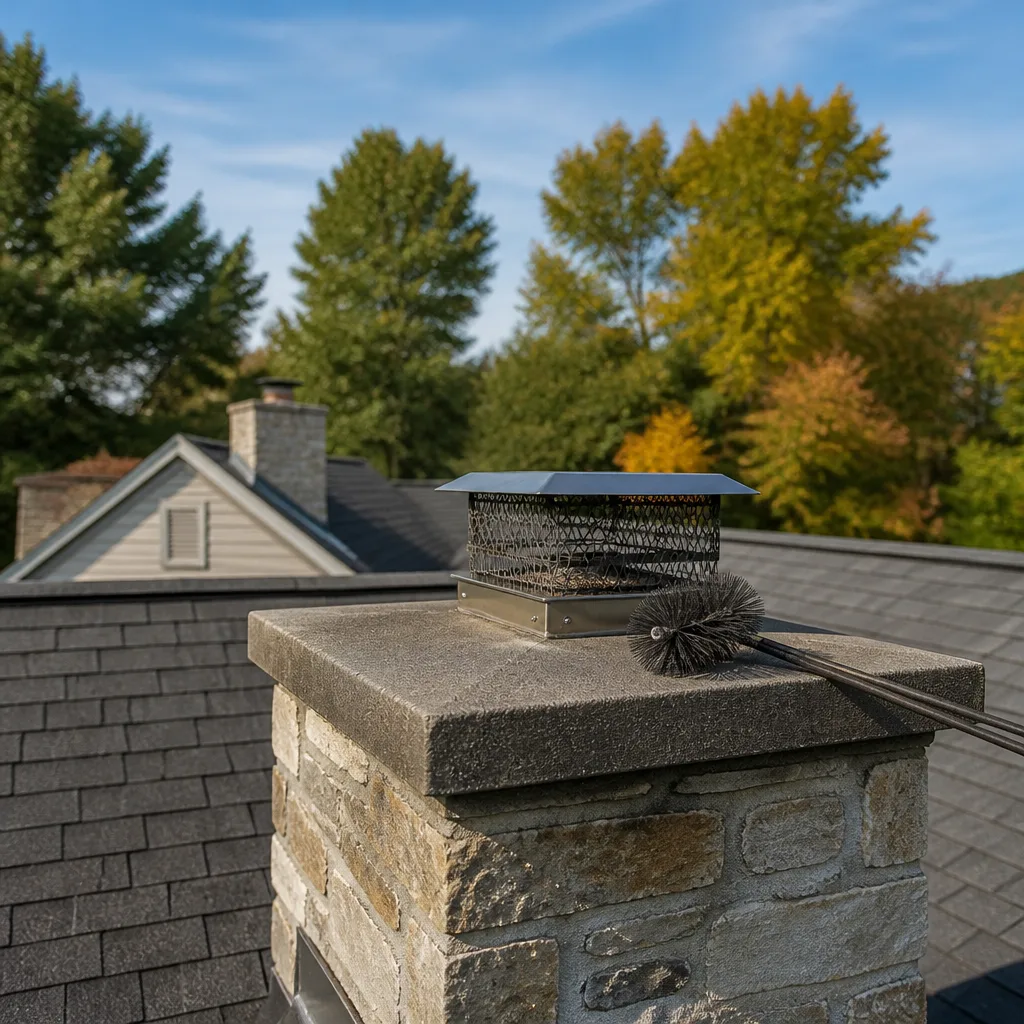 Sweep & inspection
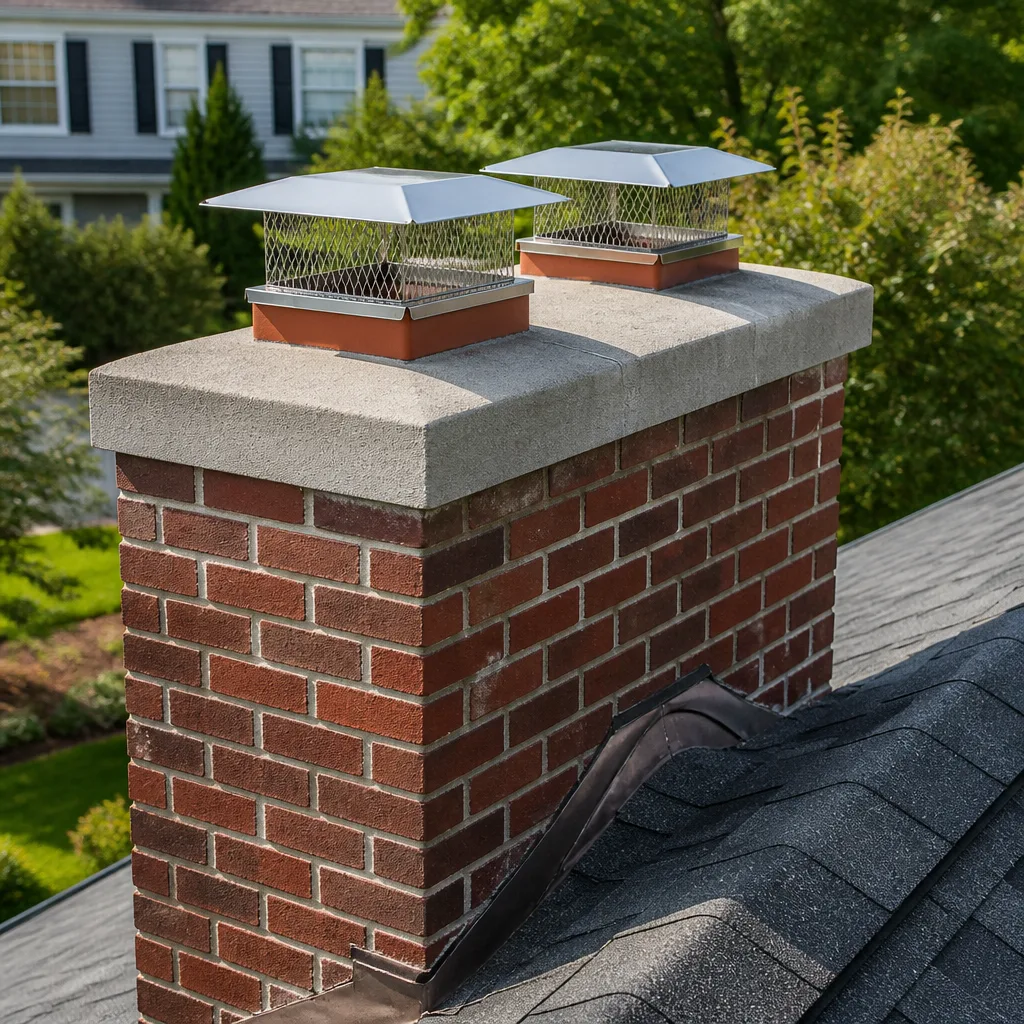 Caps & crowns
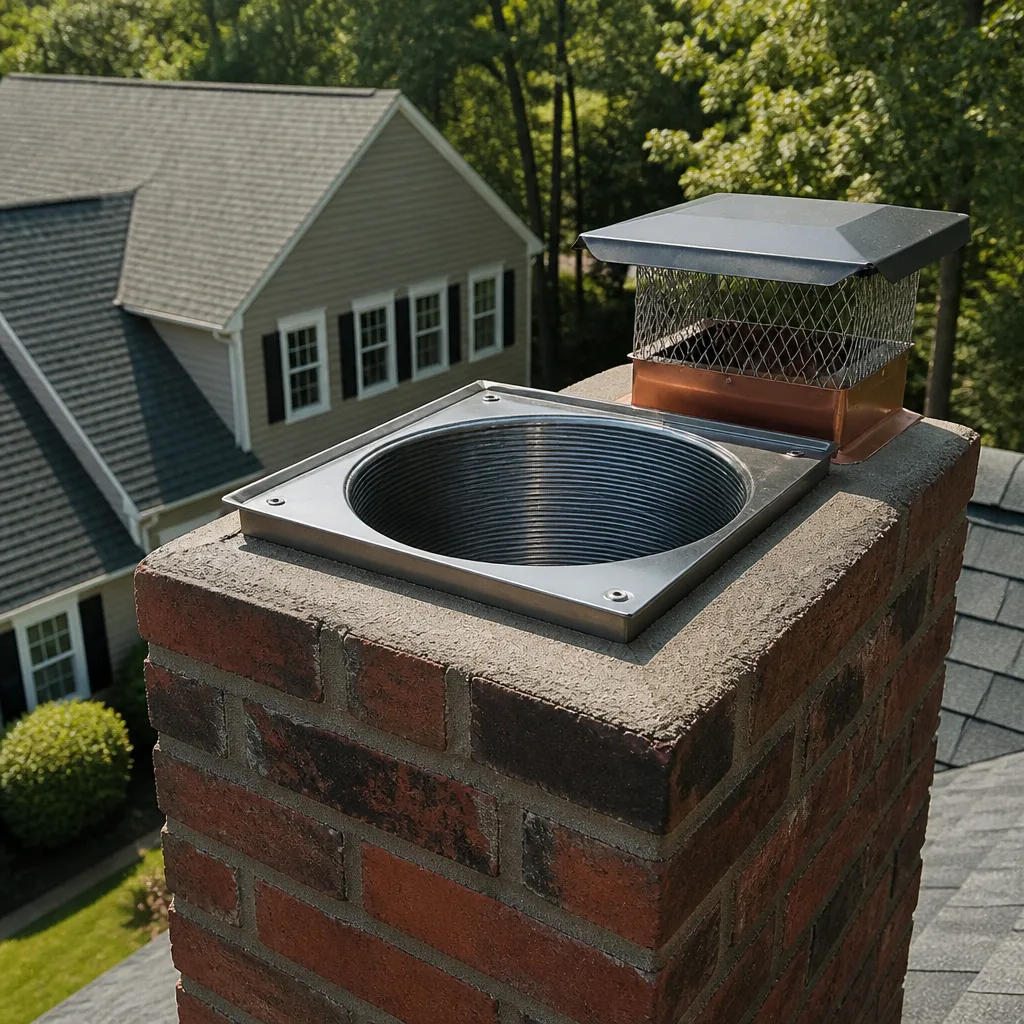 Flue relining
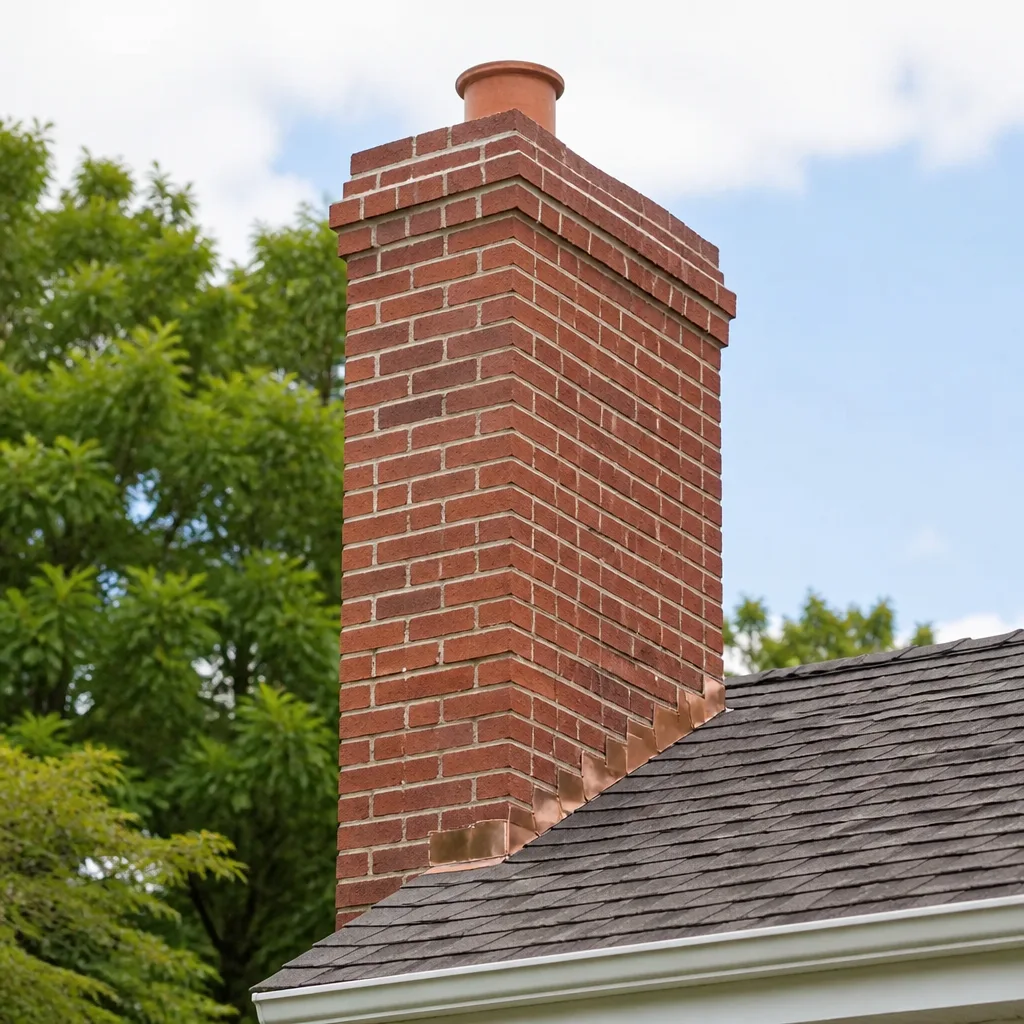 Masonry repair
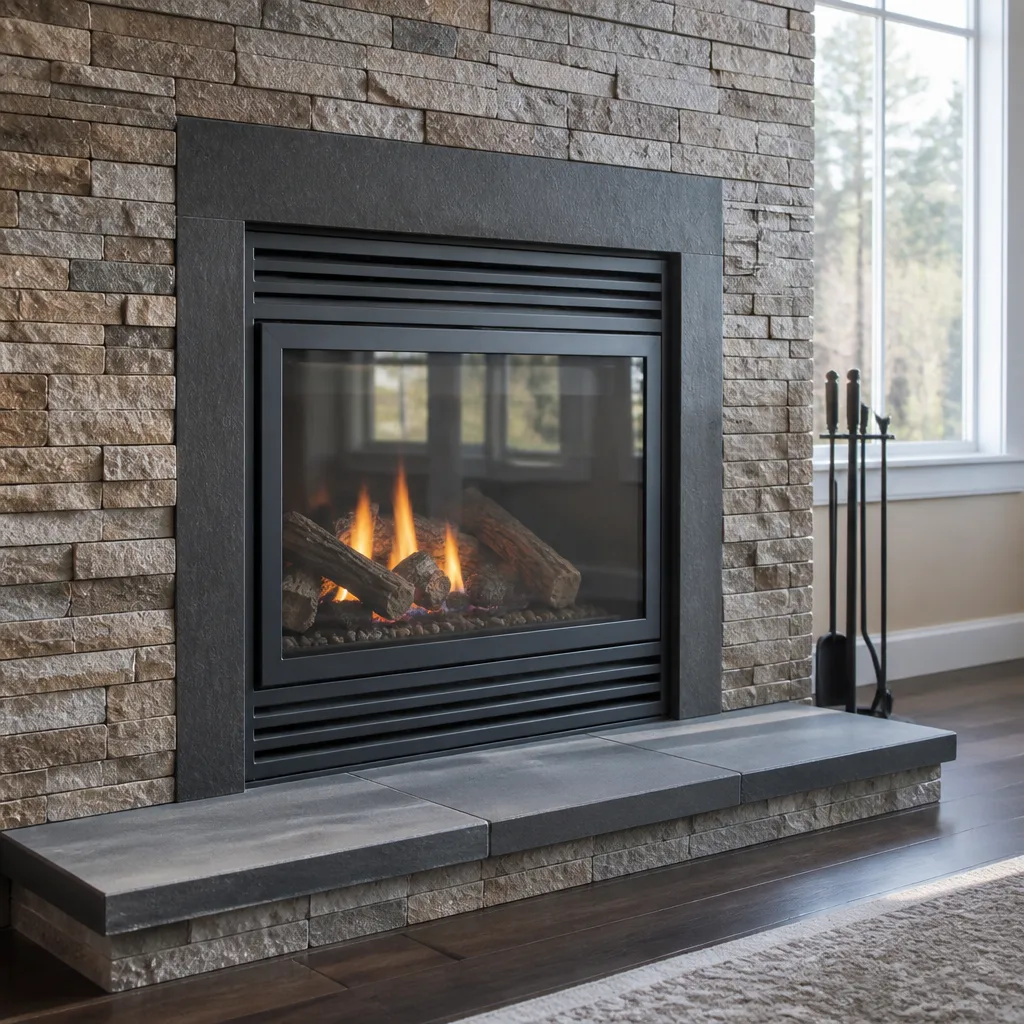 Gas fireplace service
Level 1 sweep and inspection to the NFPA 211 annual standard - flue, crown, cap, and flashing checked and photographed
Chimney sweep logs do not sweep chimneys. They loosen some creosote - which then falls where a brush and vacuum still have to collect it.
Chimney Sweep Maintenance Checklist for Knoxville Homeowners
The most overlooked item on any chimney maintenance checklist isn’t inside the flue. It’s the crown, the poured concrete cap at the very top of the chimney, and in Knoxville it takes a beating. East Tennessee’s freeze-thaw cycles crack crowns quietly, and every rain that follows sends water down into the masonry behind the brick. By the time a homeowner notices a stain on the ceiling, the damage has been working for months. This guide lays out what to check monthly, before burning season, after it ends, and after major weather. It also draws a clear line between what you can see from the ground with binoculars and what genuinely needs a technician with a flue camera. We’ll cover the three external parts people confuse, how to keep a burn journal that helps your sweep before they arrive, and the firebox cues that point to a worn liner.
Quick Answer
A chimney maintenance checklist for a Knoxville home should cover four tiers: monthly outdoor checks of the crown, cap, and flashing; a pre-season inspection and sweep before the first fire; a post-season look at creosote and water intrusion; and a ground-level check after any major storm or hard freeze. Homeowners can verify the crown, cap, flashing, and exterior joints from the ground. Creosote levels, flue cracks, and liner condition require a trained technician with a camera. A wood-burning chimney should be swept and inspected annually; a gas fireplace should be inspected yearly even though it produces far less creosote.
Styles & brands we work with
- Sweep & inspection
- Caps & crowns
- Flue relining
- Masonry repair
- Gas fireplace service
Table of Contents
- Why Knoxville’s Climate Is Hard on Chimneys
- The Four Tiers of Chimney Maintenance
- What to Check Monthly From the Ground
- Pre-Season Checklist Before the First Fire
- Post-Season Checklist When the Burn Ends
- What to Check After Major Weather
- Crown vs. Cap vs. Flashing: The Three Parts People Confuse
- How to Keep a Burn Journal That Helps Your Sweep
- What You Can See vs. What Needs a Camera
Why Knoxville’s Climate Is Hard on Chimneys
Knoxville sits in a valley, and that geography shapes how a chimney ages. The valley floor holds moisture and cold air in ways the surrounding ridges don’t, which means chimneys in Knoxville homes see repeated freeze-thaw cycles through winter. Water gets into a hairline crack in the masonry, freezes overnight, expands, and widens that crack a little more. Repeat that a few dozen times over a season and a small fissure in the crown becomes a channel.
Add to that East Tennessee’s wet winters. Knoxville gets substantial rainfall spread across the cooler months, and a chimney that isn’t shedding water properly stays saturated for long stretches. Masonry is porous by nature. Saturated brick and mortar lose strength, spalling follows, and the interior flue lining can start to break down from the outside in.
Housing stock matters too. Knoxville has a deep inventory of older homes with masonry chimneys built to standards that have since been revised. Many have clay tile liners that were adequate when new but have cracked with movement and time. Newer subdivisions often have factory-built or gas fireplace systems with different maintenance needs. A checklist that treats every Knoxville chimney the same misses half the picture. The right approach starts with knowing what you actually have – which is why an inspection is worth doing before the first fire of the season rather than after a problem shows up.
The Four Tiers of Chimney Maintenance
Most checklists lump everything into one annual task. That’s why items get skipped. Break chimney care into four tiers instead, each with its own timing and its own set of checks. This structure works for any Knoxville home, whether it burns wood every week or lights a gas fireplace a few times a season.
Tier 1: Monthly, from the ground. A quick outdoor look at the crown, cap, flashing, and exterior masonry. Ten minutes with binoculars. No ladder, no roof.
Tier 2: Pre-season, before the first fire. The full annual service: a professional sweep and inspection, plus a homeowner walkthrough of the firebox and damper. This is where creosote gets removed and condition gets documented.
Tier 3: Post-season, when burning stops. A look at what the winter left behind. Creosote accumulation, water staining, efflorescence on the brick, and any change in how the fire behaved in its final weeks.
Tier 4: After major weather. Following a hard freeze, a heavy rain event, or high wind, check the exterior for new cracks, shifted caps, or loose flashing. Tennessee storms move masonry.
The tiers are ordered by how much skill each requires. Tier 1 is entirely a homeowner task. Tier 2 requires a trained technician. Tiers 3 and 4 are a mix: the homeowner notices changes, the technician confirms what’s actually going on inside.
What to Check Monthly From the Ground
Once a month, weather permitting, stand back from the house and look up at the chimney with a pair of binoculars. This is the single highest-value habit in the entire checklist, and almost nobody does it. You’re looking for changes since last month.
- The crown. Look at the top of the chimney, the sloped concrete surface surrounding the flue. Are there new cracks? Any piece broken off? Is it holding a puddle after rain?
- The cap. The metal or masonry cover over the flue opening. Is it level, or has wind shifted it? Are the spark screen and mesh intact, or has an animal pulled it loose?
- The flashing. Where the chimney meets the roof, you’ll see metal strips and seals. Are they lifting, rusting, or pulling away from the masonry?
- The exterior masonry. Look for new cracks in the brick, white chalky staining (efflorescence), or bricks that look like their faces have flaked off (spalling).
- The firebox and damper. Inside the house, open the damper and check that it moves freely. Look for fresh soot streaks on the firebox face or a smell of smoke when no fire is lit.
Note anything that changed in a simple log. If a crack in the crown looks wider than it did last month, that’s a signal to book an inspection rather than wait for the annual service. In Knoxville, a crown crack that opens in December can carry water through the entire winter before it gets addressed in spring.
Pre-Season Checklist Before the First Fire
The pre-season check is the anchor of the whole schedule. Do it before the first burn of the season, and you go into winter knowing what you have. In Knoxville, that usually lands in early fall, but the right time is whenever you’re about to start burning, not a fixed calendar date.
Book a chimney sweep and inspection first. A sweep removes creosote and any blockages (nests, leaves, debris). An inspection then assesses the flue, the firebox, the damper, the crown, the cap, and the flashing. The two are often done together, but they answer different questions. The sweep cleans; the inspection documents condition.
While you’re at it, run through the homeowner side of the pre-season list:
- Test the damper through its full range of motion. It should open and close without sticking or grinding.
- Check that the firebox walls and floor show no new cracks since last season.
- Confirm the chimney cap and spark screen are intact and secure.
- Make sure no furniture, curtains, or decor sit within the clearance zone in front of the hearth.
- Verify smoke and carbon monoxide detectors are working. A chimney that drafts poorly can send combustion gases back into the house, and the alarm is your backstop.
- Stock dry, seasoned firewood. Wet wood produces more creosote and more smoke.
If this is your first season in a Knoxville home, do the full service before you light anything. A previous owner’s burning habits and the chimney’s actual condition are unknown to you. Knowing what you have before the first fire of the season beats guessing in January.
Post-Season Checklist When the Burn Ends
The post-season check is where you catch what the winter did. It’s the least popular part of chimney care and the most useful for planning. Wait until the firebox is fully cold, then take stock.
Start outside. Look at the crown again. Did those fine cracks grow over the winter? Freeze-thaw does its work on Knoxville crowns through the coldest months, and a crack that closed up in October often shows open in March. Check the flashing for lifting, the brick for new spalling, and the cap for any looseness the wind worked up.
Then look inside. Fresh soot streaks on the firebox face, a strong smoke smell when there’s no fire, or staining near the damper all point to draft issues that built up during the burn season. Creosote accumulation in the flue is normal and gets handled at the next sweep. What matters at post-season is whether anything else changed.
This is also the right moment to plan repairs. Post-season is when you’re not actively burning, so there’s no injury risk to schedule work. It’s also when you have a full season of data: how the fire drafted, whether smoke backed up, how much wood you went through, and how often the glass on a gas unit needed cleaning. That data feeds the burn journal described further down. The post-season review turns a season of use into a clear plan for the next one.
What to Check After Major Weather
Knoxville weather moves. A hard freeze, a soaking rain event, or a windstorm can shift masonry and flashing in ways a monthly check won’t catch between visits. After any major weather, take the binoculars back out.
- After a hard freeze: Look for new crown cracks and any pieces of concrete or mortar that appeared on the roof or ground below. Water that froze in the masonry may have pushed pieces loose.
- After a heavy rain: Check for water stains on the ceiling near the chimney, damp spots around the firebox, or a musty smell inside. Those are signs water is getting past the crown, cap, or flashing.
- After high wind: Verify the cap is still seated. Look for storm debris lodged on or in the cap, and check that the spark screen hasn’t been torn loose.
- After any impact on the roof: Look for cracks in the exterior masonry and check the flashing seals carefully.
Hail isn’t a common problem in Knoxville’s climate, so the storm risks here are wind, freeze-thaw, and water intrusion rather than impact damage. When in doubt, get it looked at. A quick inspection after a serious storm costs less than waiting for visible damage to appear inside the house, because by then water has usually been moving for a while.
Crown vs. Cap vs. Flashing: The Three Parts People Confuse
Homeowners often use these three words interchangeably. They’re different components, they fail in different ways, and they cause different kinds of damage. Getting the vocabulary right helps you describe what you see and understand what a technician recommends.
The crown is the concrete surface at the very top of a masonry chimney, sloping away from the flue so water sheds. When a crown cracks, water runs into the chimney structure itself. This is the single most common source of water damage to a masonry chimney, and in Knoxville’s freeze-thaw winters, small crown cracks get worse fast. Crown repair and replacement is a core part of what a full-service chimney company handles, and it’s often paired with the next item.
The cap is the cover over the top of the flue, typically metal with a spark screen or mesh. Its job is to keep rain, animals, and debris out while letting smoke escape. A missing or damaged cap is the most common cause of animal entry and a frequent reason for water intrusion. If your cap is missing or rusted through, replacing it is one of the highest-value moves on the entire checklist.
The flashing is the metal and sealant system where the chimney passes through the roof. It’s the roof’s job to shed water away from that seam, and when flashing lifts or the sealant dries out, water finds its way in. Flashing failures show up as ceiling stains near the chimney rather than inside the firebox. They’re a roofing-adjacent repair, but a full-scope chimney company should assess and address them alongside crown and cap work.
These three components, taken together, decide whether a Knoxville chimney stays dry. Cap, crown, and flashing work as a system. Chimney cap & crown service covers two of the three, and a thorough inspection rounds out the flashing check. If you’re only going to fix one thing this year, fix the cracked crown and the loose cap, because those two together account for most water getting into a masonry chimney.
How to Keep a Burn Journal That Helps Your Sweep
A few minutes of recordkeeping per fire gives your sweep something genuinely useful before they set foot on the property. Most homeowners never do this, and it’s a little surprising how much it changes an inspection.
Keep it simple. A notebook or a note on your phone works fine. Log the essentials for each burn or each week of burning:
- Date and rough duration of each fire.
- Wood type and seasoning (hardwood like oak or hickory versus softer woods, and whether the wood was dry).
- Draft quality: did the fire start easily, or did smoke back up when you opened the door?
- Any smoke in the room during the burn, even a little.
- How much ash and creosote you swept out of the firebox, in rough terms.
- Anything unusual: a smell, a sound, soot on the glass, a damper that suddenly sticks.
By spring, this log tells a technician a lot. Heavy creosote after a short season with dry wood points one direction. Smoke backing up on calm, cold days points another. A sudden change mid-season is its own signal. In our experience in Knoxville, homeowners who keep even a rough burn journal get more out of an inspection because the technician knows what to look for before opening the firebox. The journal doesn’t replace the inspection; it focuses it.
If you’d rather skip the notebook, keep a photo album of the firebox and the chimney top from month to month. Photos catch the slow changes a memory misses, and a documented record is useful for insurance and real estate as well. That’s part of why a standalone inspection has value: it produces a written condition report you can put to work later.
What You Can See vs. What Needs a Camera
The line between homeowner observation and professional assessment matters more than most checklists admit. Getting it wrong in either direction is a problem. Doing too much yourself puts you on a roof or a ladder you shouldn’t be on. Doing too little means relying on guesswork about a flue you can’t see.
What you can realistically verify from the ground with binoculars:
- The crown and any visible cracks or breaks
- The cap and spark screen condition
- Flashing condition and lifting
- Exterior masonry cracks, spalling, and efflorescence
- Water stains on the ceiling or walls near the chimney
- Damper operation and firebox appearance
- Smoke or smells when no fire is lit
What requires a technician with a flue camera:
- Creosote buildup level inside the flue (the three grades are not visible from outside)
- Cracks in clay tile liners, offset joints, or gaps between tiles
- Condition of a factory-built flue and its connections
- Hidden blockages deep in the flue
- Whether the firebox and smoke chamber are structurally sound behind the face
- The interior of a chimney after a chimney fire
This is the reasoning behind the inspection-first mindset. A camera sees what binoculars can’t, and a written report with photos lets a homeowner see it too. When we recommend work, the recommendation comes with photographic evidence, not a verbal description. It’s how you separate a genuine repair need from a sales pitch.
The firebox cues worth watching for are the ones tied to liner condition. Look for:
- Crumbling or missing mortar joints on the firebox walls
- White, powdery staining on the firebox brick
- Cracks in the firebox floor or rear wall
- A metallic or glazed sheen on the inside of the firebox above the damper
- Rust on a damper that shouldn’t be rusting
Any of these inside a Knoxville fireplace is a signal to schedule an inspection. If the inspection finds that the interior flue lining is deteriorating (spalling clay tiles, gaps between tiles, cracks that weren’t there last season), a resurfacing method like HeatShield can restore the flue interior and extend its life without a full teardown. If the liner itself is compromised beyond resurfacing, a flexible stainless system like DuraFlex is the modern professional-grade option, selected and installed by a trained technician. Restore, don’t just patch – and let the evidence decide which. The difference between resurfacing and relining is exactly the kind of question a flue camera and a written report can settle.
Common Mistakes to Avoid
Here are the recurring mistakes we see from Knoxville homeowners, and what to do instead.
- Waiting for a problem to appear inside the house. Water damage shows up on the ceiling long after it has been moving through the masonry. The monthly ground check catches the crown crack before it becomes a ceiling stain.
- Climbing the roof to “check it yourself.” Walking a roof or climbing a chimney to look inside is the most dangerous part of this checklist. Ground-level observation with binoculars does most of the work safely; the rest belongs to a trained technician.
- Treating a gas fireplace as maintenance-free. A gas insert makes far less creosote than wood, but the flue, the vent connection, and the firebox still need an annual inspection. Carbon monoxide risk doesn’t disappear because the fuel changed.
- Replacing the cap but ignoring the crown. A new cap over a cracked crown lets water in from underneath. The two components have to be addressed together, or the water simply reroutes.
- Skipping the sweep in a light-burning year. Creosote accumulates even with occasional burning, and it keeps accumulating. A quiet year is a good year to get the sweep and inspection done while the schedule is open.
- Burning wet or unseasoned wood to “use it up.” Wet wood produces more creosote and more smoke. That’s every inch of your flue paying for it later.
- Ignoring the firebox cues above. The firebox is the one place inside the house where a homeowner can spot liner trouble early, without a camera. Missing a crumbling joint in the firebox brick delays the inspection that would catch a liner issue before it becomes a repair.
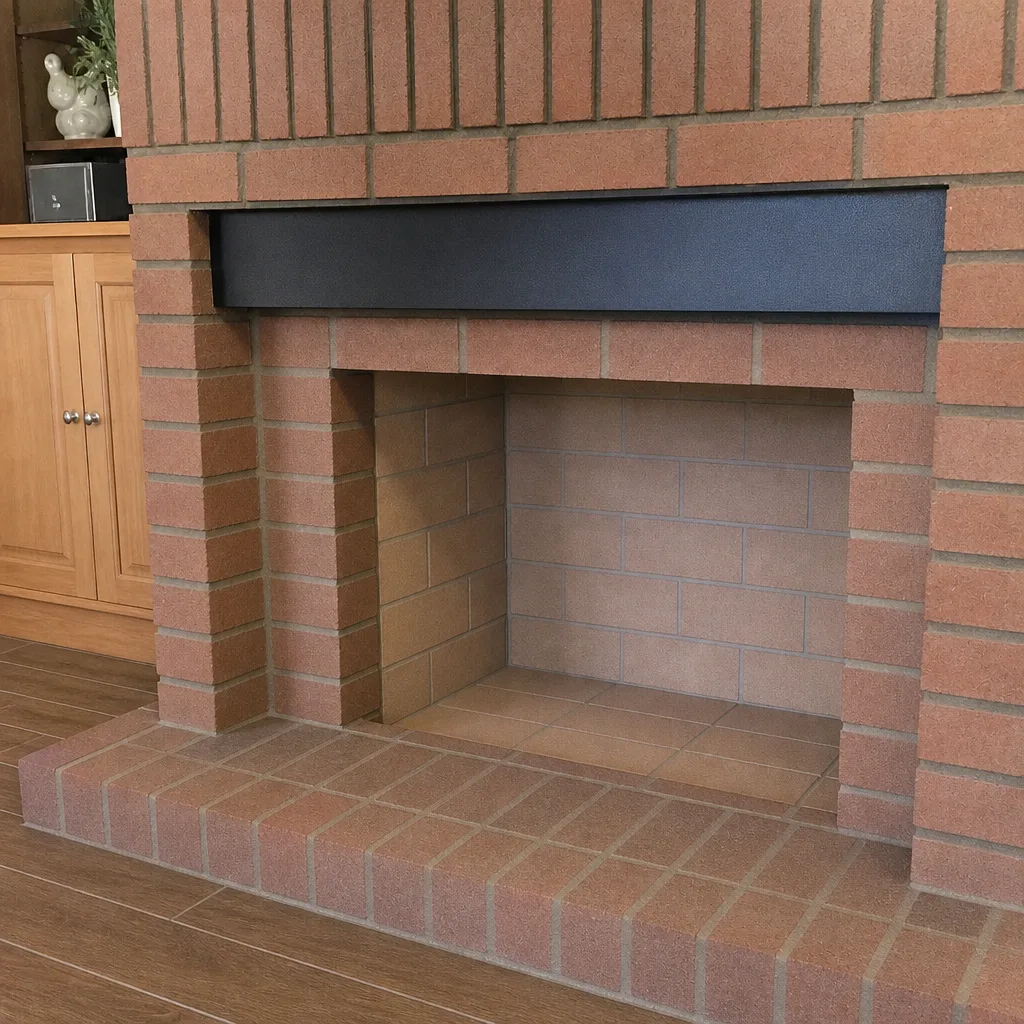
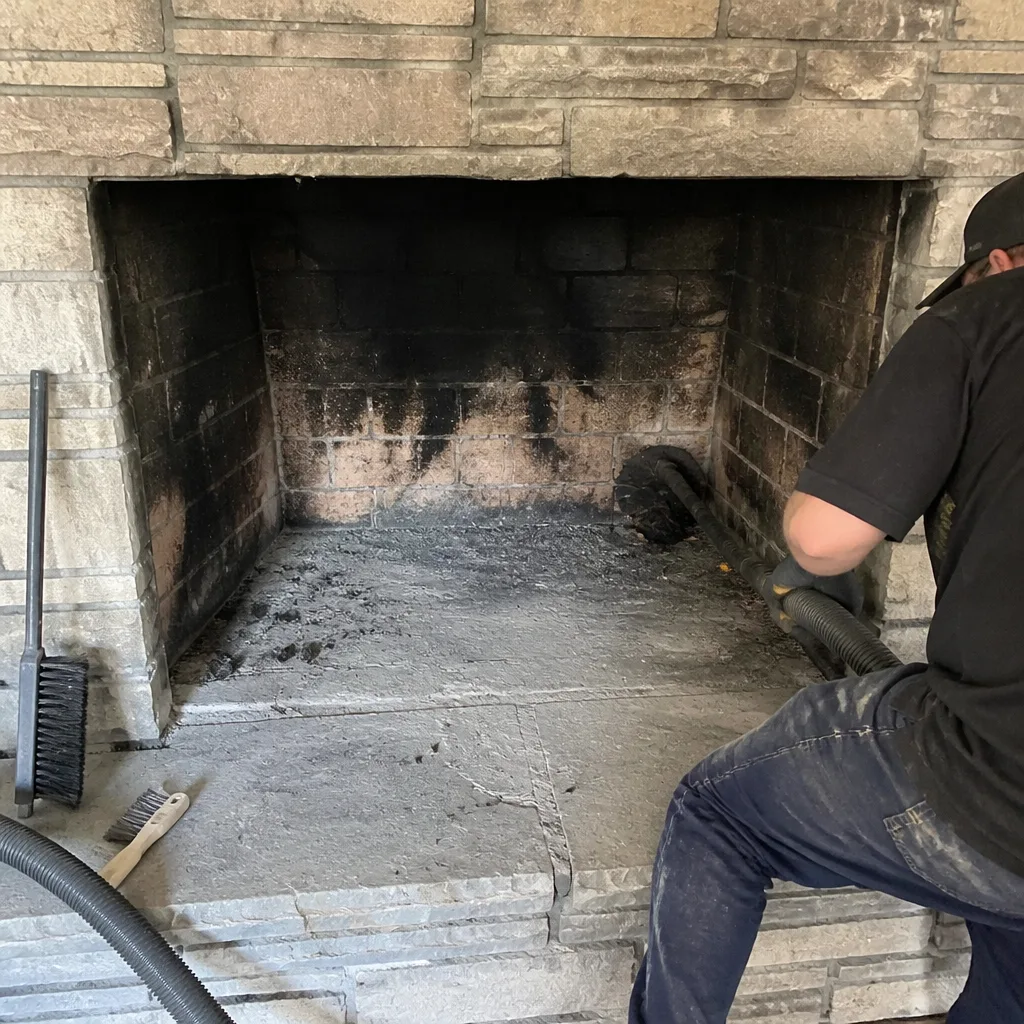
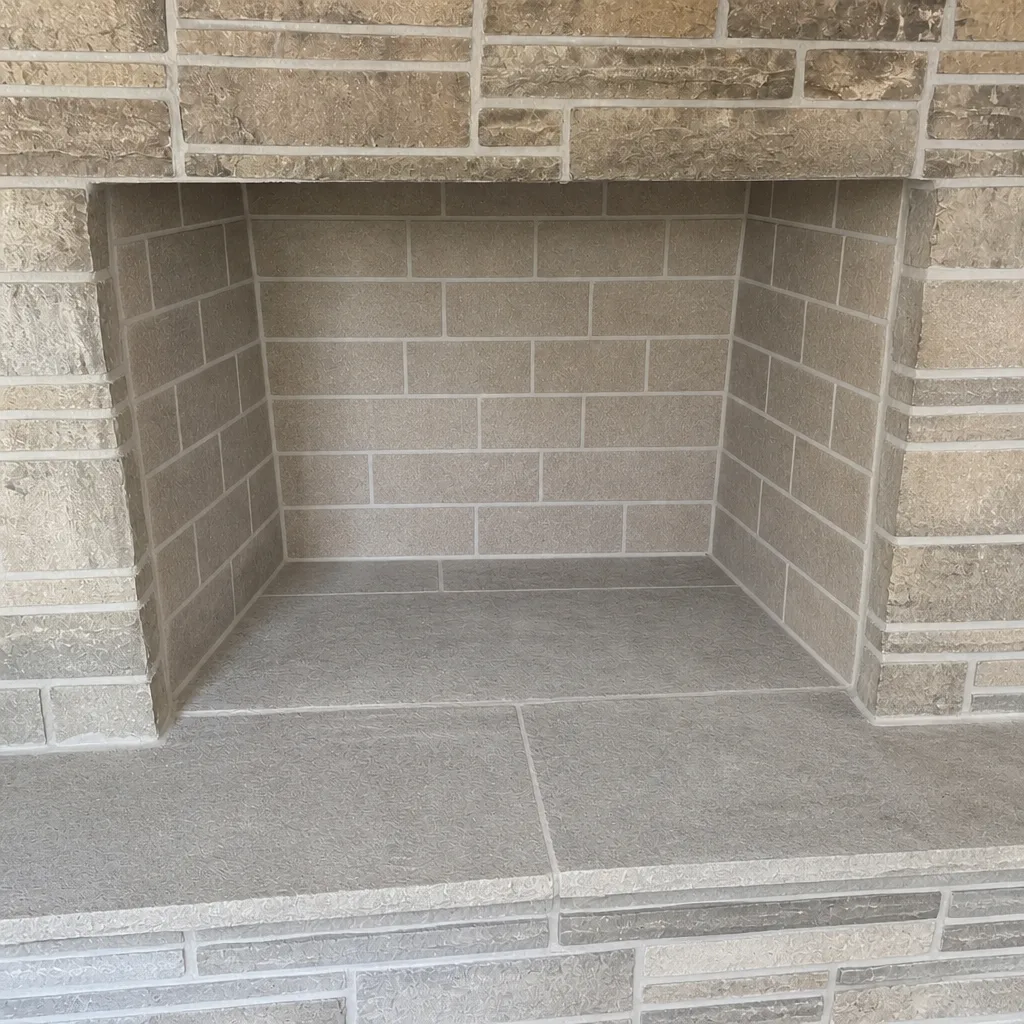
See the difference
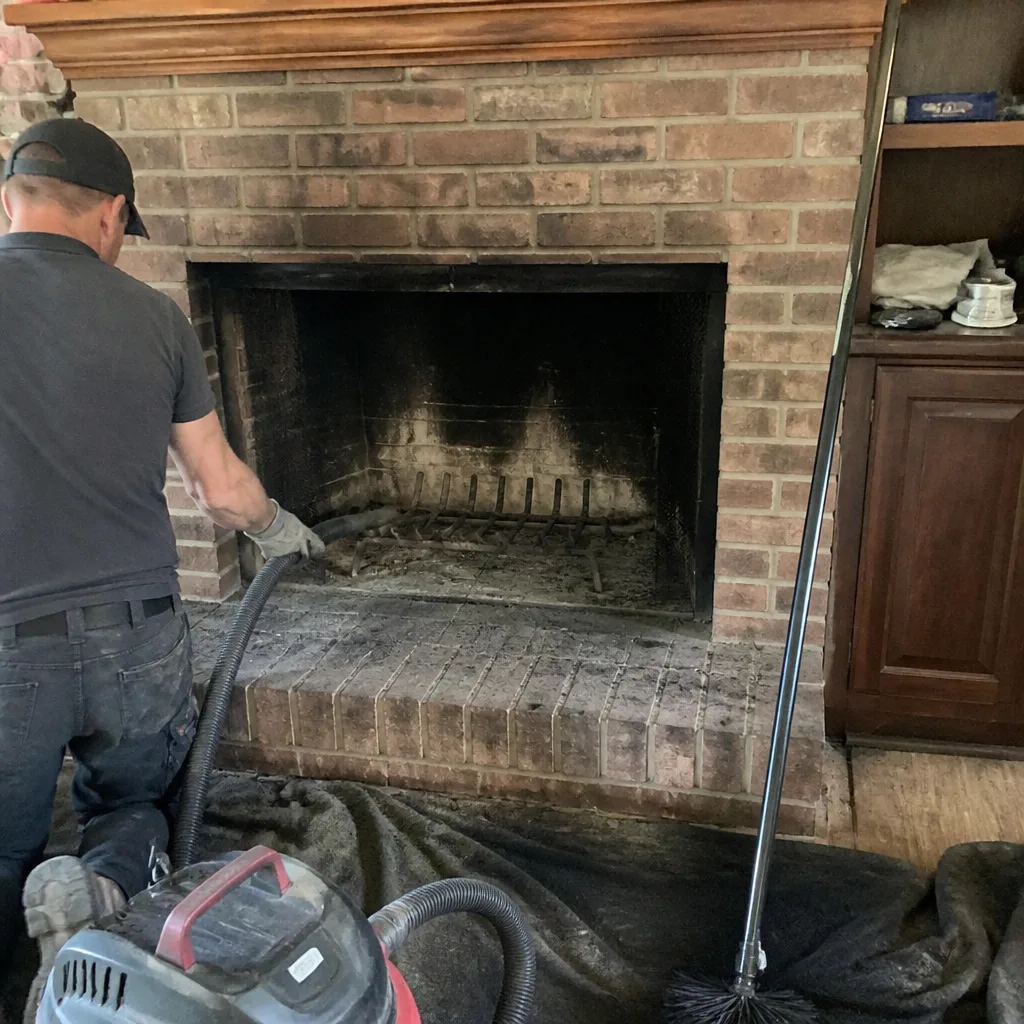 Before
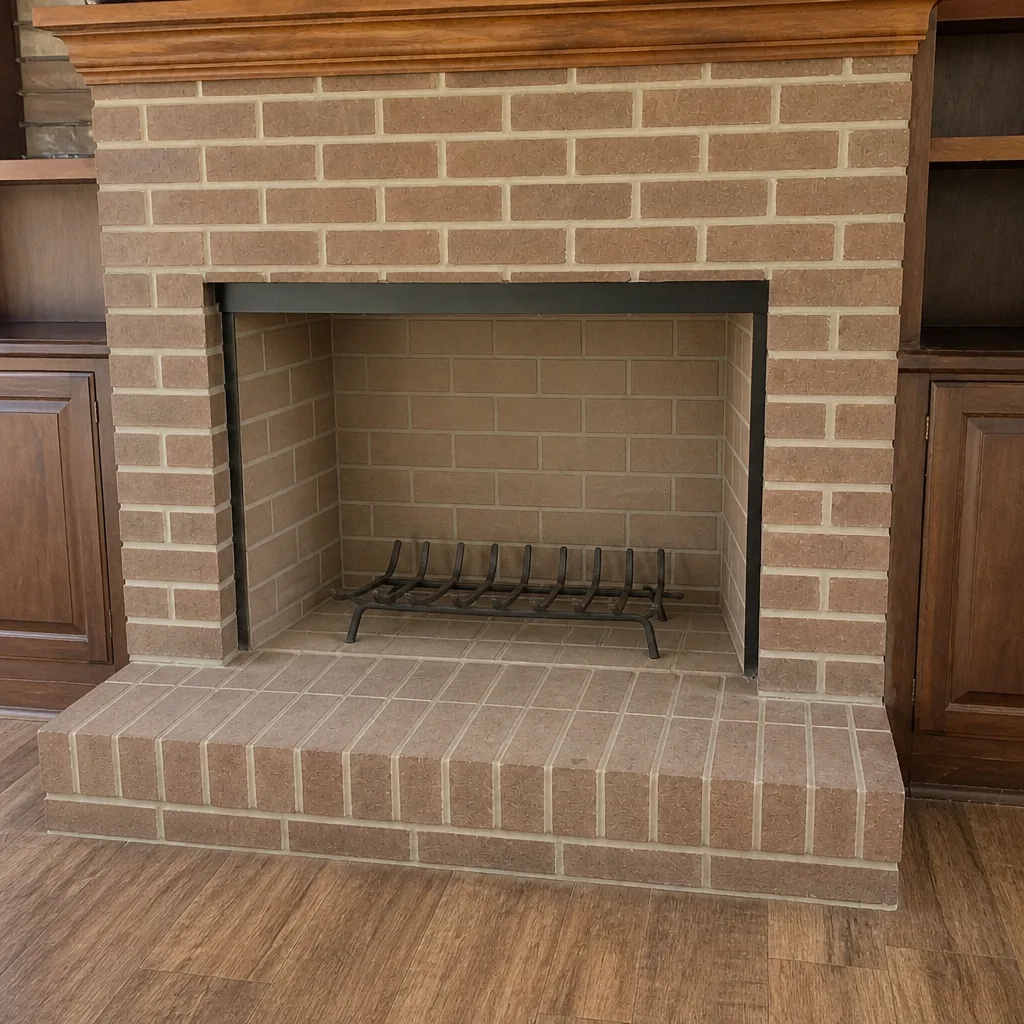 After
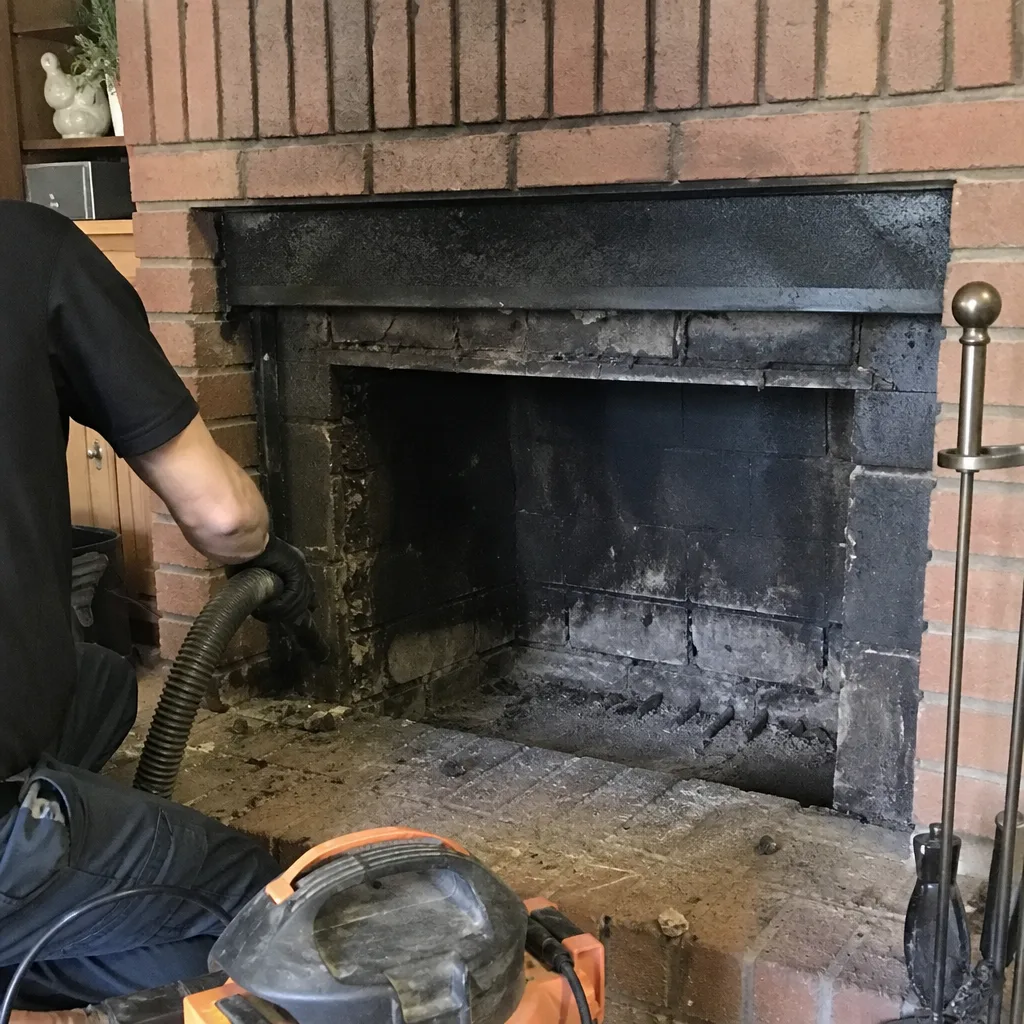 Before
 After
 Before
 After
When to Call a Professional
Some items on this checklist are clearly homeowner territory, and some are not. Call a professional for the annual sweep and inspection before the first fire, anytime you see a cracked crown or a loose cap that needs replacement, when you spot smoke stains or smell smoke with no fire burning, when creosote is visible on the firebox or the door, when a gas fireplace has never been inspected, or when you’ve bought a Knoxville home and don’t know its chimney’s history. Also call after any storm that moved the cap, opened new masonry cracks, or left water stains near the chimney. Knoxville Chimney Sweep offers free estimates in Knoxville – call (844) 542-3766. Our technicians have up to 11 years of experience, and we work with professional-grade products including DuraFlex and Olympia Chimney, matched to your chimney rather than a one-size-fits-all approach.
Frequently Asked Questions
Once a year for a chimney you use regularly, plus an inspection each season. Wood-burning chimneys should be swept and inspected annually; a gas fireplace should be inspected yearly even though it produces little creosote. If you burn heavily, or the firebox shows visible creosote, book a sweep sooner. Call (844) 542-3766 to schedule one.
You can do the entire ground-level checklist yourself – the monthly crown, cap, and flashing checks – but the flue itself needs a trained technician. Flue cleaning requires ladders, specialized brushes, and the ability to inspect what you just cleaned with a camera. It’s also the one part of chimney care where a mistake can affect safety. Call for a sweep instead of doing the flue yourself. Call (844) 542-3766 – estimates are free.
From the ground with binoculars, look for cracks, missing pieces, and whether the crown is holding water after rain. A crown should slope away from the flue and be intact. If it’s cracked, book an inspection before the next freeze, because Knoxville’s freeze-thaw cycles widen crown cracks through the winter. Call (844) 542-3766 for a free estimate on crown repair.
Yes – a cap keeps rain, animals, and debris out of the flue while letting smoke escape. A missing or damaged cap is one of the most common causes of water intrusion and animal entry. If yours is rusted, loose, or gone, replacing it is a high-value move. Call (844) 542-3766 and we’ll look at it.
You can’t tell from the ground. A technician uses a flue camera to see the inside of the liner, and a written report with photos shows you exactly what’s there. Visible firebox cues like crumbling joints, cracking, or white powdery staining signal that it’s time to look. Once the camera confirms the state of the lining, the choice between resurfacing with HeatShield and relining with a flexible DuraFlex system becomes clear. Call (844) 542-3766 for an inspection.
Smoke in the room while a fire is burning, or the smell of smoke with no fire lit, means the draft is compromised or the flue has a blockage. Stop using the fireplace and book an inspection. In Knoxville, a blocked or damaged flue is one of the most common causes of smoke backing up. Call (844) 542-3766. We answer 24/7, and estimates are free.
The Bottom Line
Chimney maintenance is a layered schedule, not a single annual event. Check the crown, cap, and flashing from the ground every month. Book a sweep and inspection before the first fire. Review conditions post-season, and recheck after any hard freeze or major storm. Keep a simple burn journal so your sweep has useful data before they arrive, and watch the firebox for the cues that signal a liner problem early. The one item most homeowners skip is the crown, so fix what’s cracked and address the cap alongside it. If you want a professional eye on your chimney before the next burn, Knoxville Chimney Sweep offers free estimates in Knoxville – call (844) 542-3766. We answer 24/7. Fast dispatch from 7am to 7pm, Sunday through Friday. Our technicians have up to 11 years of experience, and we handle everything from the cap to the firebox, including fireplace repair.
One more note on the non-negotiable safety item: high-tension chimney work is not a homeowner task. A loose crown, a cracked liner, or a smoke chamber behind the firebox is a job for a trained technician with the right equipment. Restore, don’t just patch – and know what you have before the first fire of the season.
Written by the team at Knoxville Chimney Sweep.