
Last updated November 25, 2026
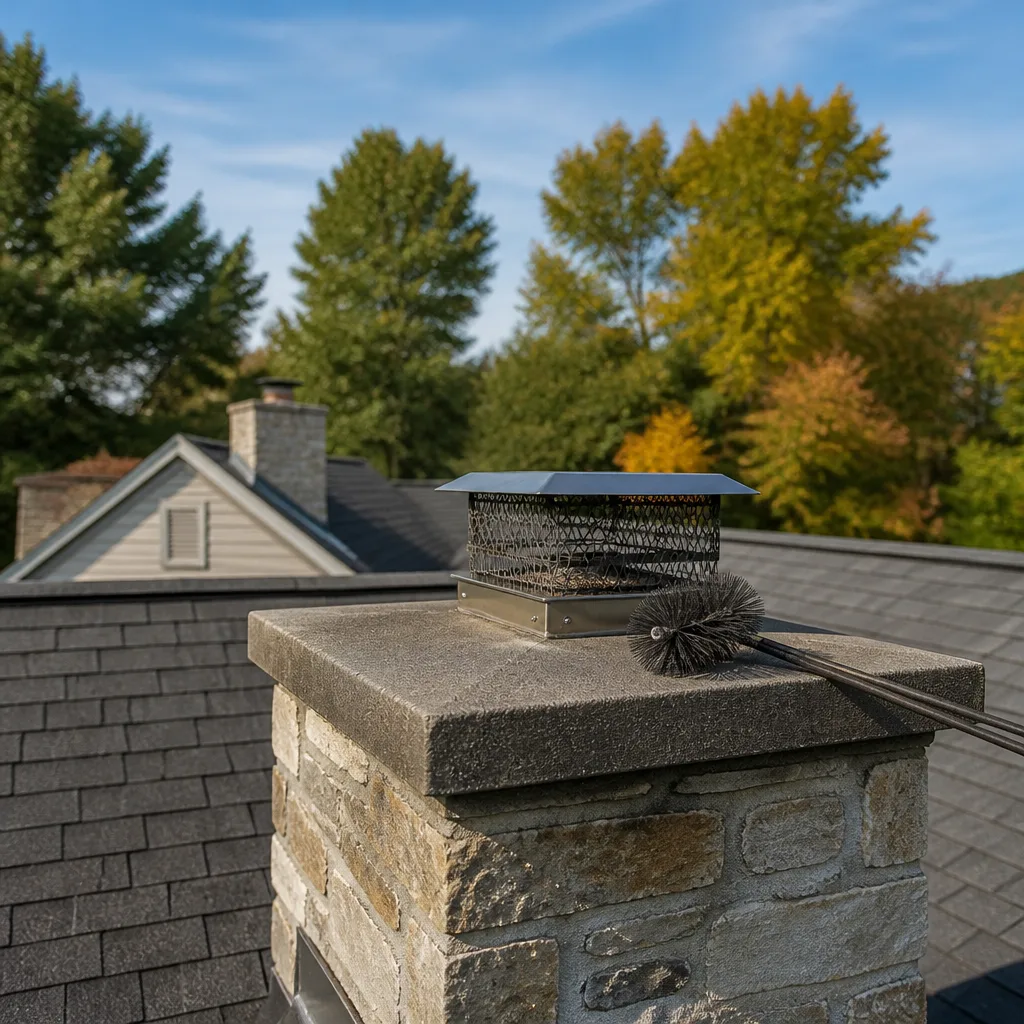 Sweep & inspection
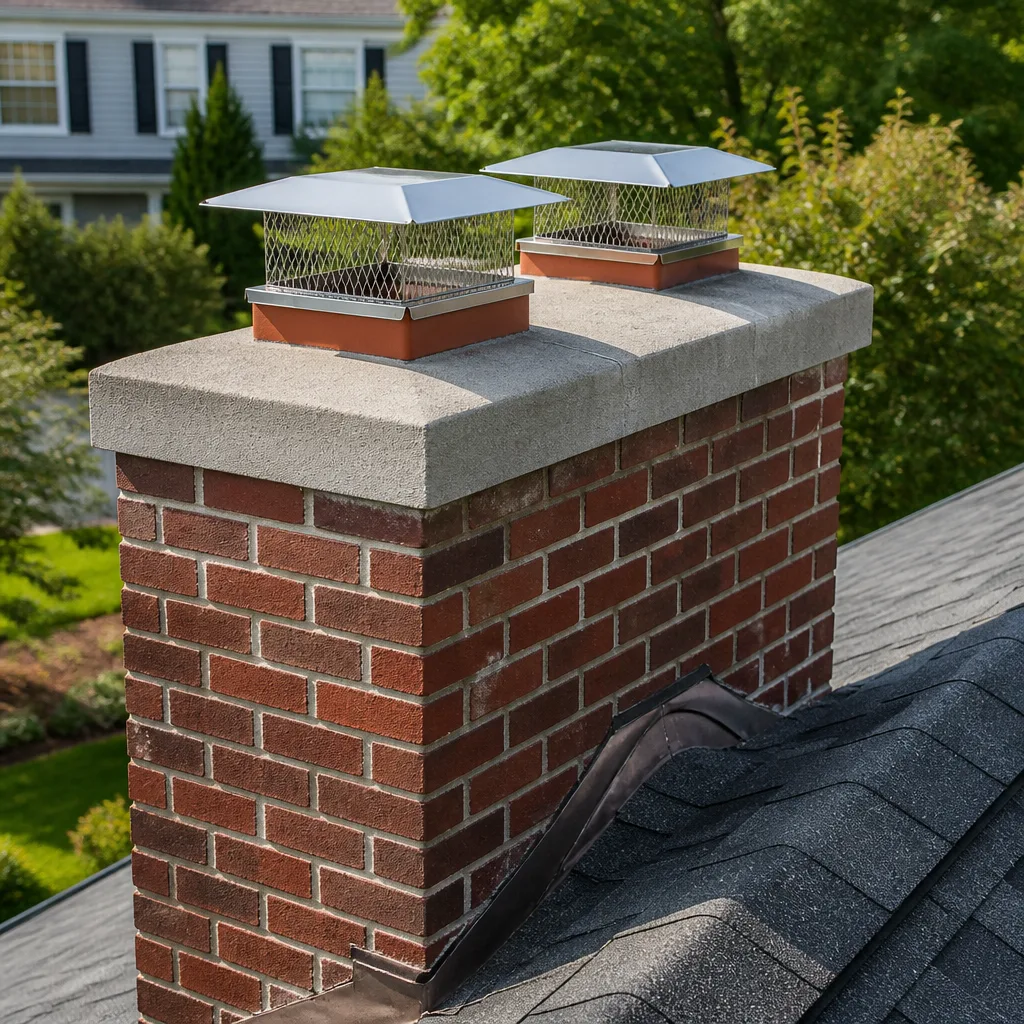 Caps & crowns
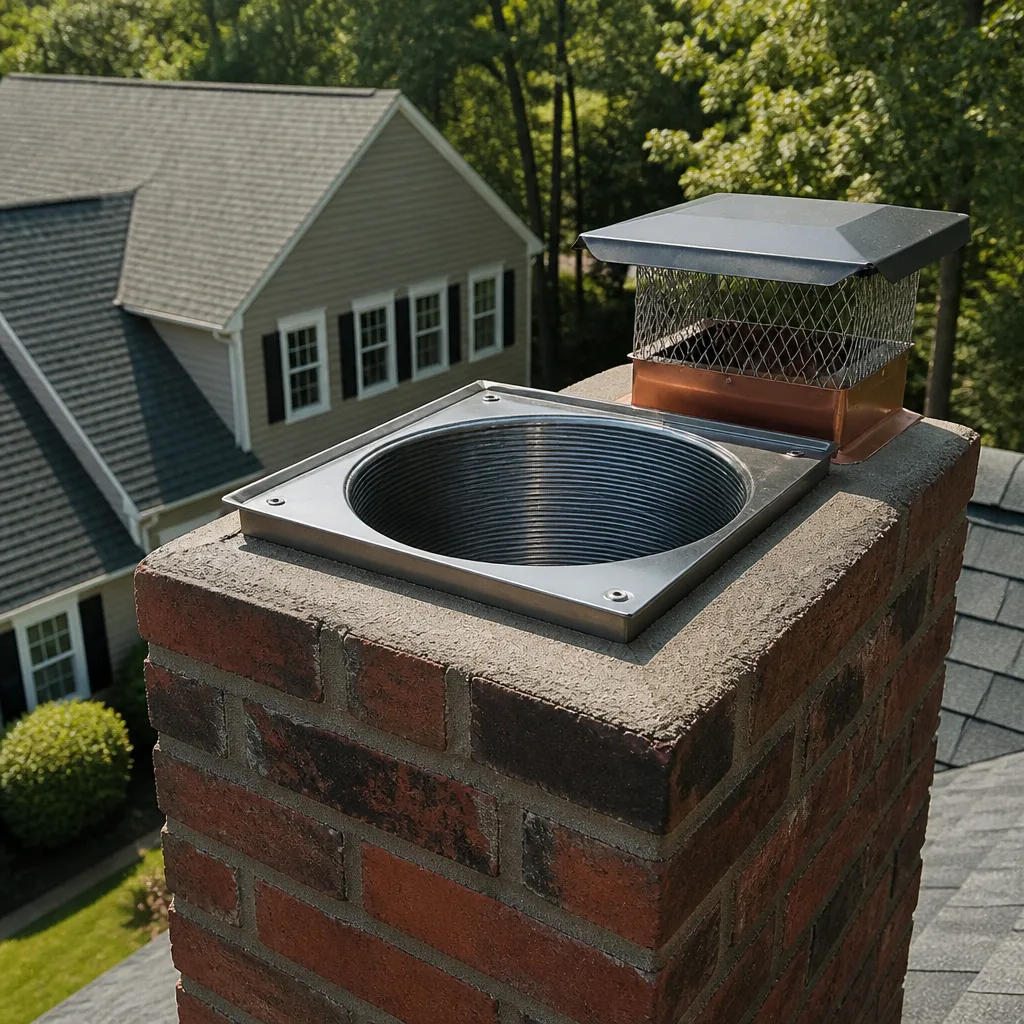 Flue relining
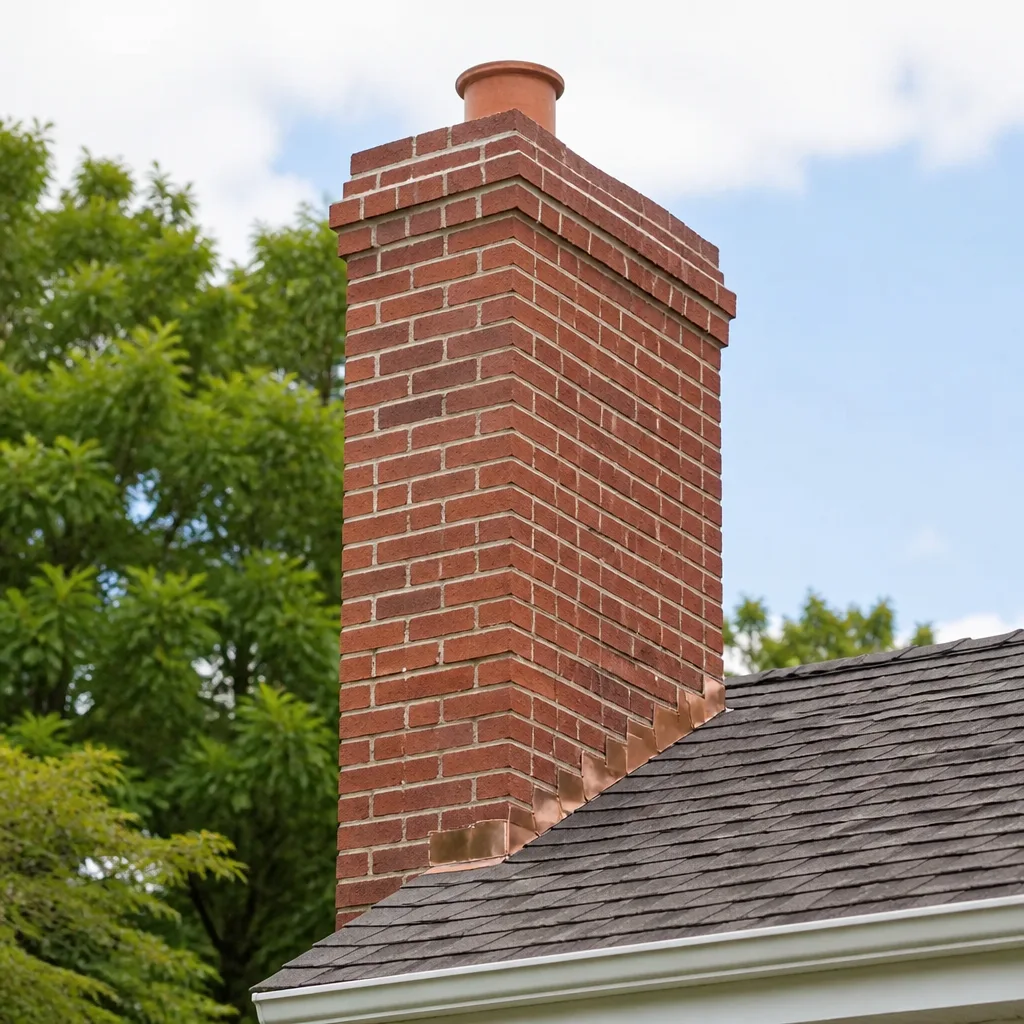 Masonry repair
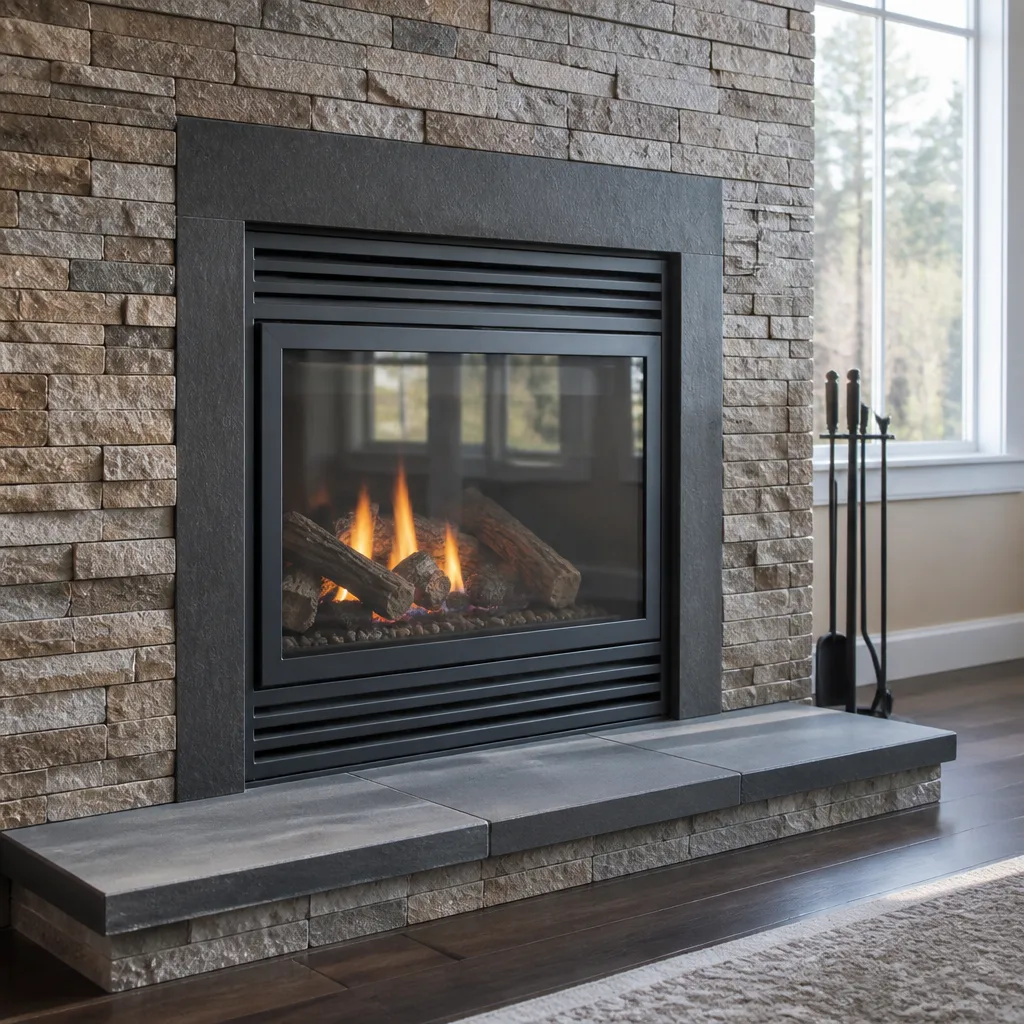 Gas fireplace service
Level 1 sweep and inspection to the NFPA 211 annual standard - flue, crown, cap, and flashing checked and photographed
Chimney sweep logs do not sweep chimneys. They loosen some creosote - which then falls where a brush and vacuum still have to collect it.
Chimney Cleaning Emergency Preparedness Guide for Knoxville Homes
Most chimney emergency advice waits until something is on fire. That’s backward. In Knoxville, the decisions that determine whether a chimney fire becomes a manageable event or a catastrophic one get made months earlier: whether the flue was inspected this year, whether anyone wrote down the liner specifications, whether the cap is intact, whether the homeowner knows where the documentation lives. Knoxville Fire Department crews respond to chimney fire calls, but they don’t evaluate whether your flue is safe to use afterward; that determination needs a professional chimney inspection, and without a record of your chimney’s pre-fire condition, an insurance claim starts from a weak position. This guide covers what to document, what to do during a fire, how liner material affects survivability, and the carbon monoxide risk hiding in older Knoxville homes.
Quick Answer
Emergency chimney preparedness in Knoxville means documenting your system before anything goes wrong: photograph the flue and liner, keep inspection reports and liner specs where you can find them fast, and know the difference between clay tile, a DuraFlex stainless liner, and cast-in-place HeatShield. During a chimney fire, get everyone out, call 911, and don’t close the damper. Afterward, a fire crew clearing the scene does not certify the flue as safe. A Level 3 inspection does.
Styles & brands we work with
- Sweep & inspection
- Caps & crowns
- Flue relining
- Masonry repair
- Gas fireplace service
Table of Contents
- What should you document about your chimney before an emergency?
- What is the correct sequence of actions during a chimney fire?
- What happens after a chimney fire, and what does a Level 3 inspection involve?
- How does liner material determine survivability?
- What is the carbon monoxide risk in older Knoxville homes?
- How does Knoxville weather and housing stock affect chimney risk?
- How do you turn preparedness into a year-round habit?
- How do you prepare for the insurance side of a chimney fire claim?
What should you document about your chimney before an emergency?
You should document four things about your chimney system and keep them in two places: paper in a fireproof folder and digital copies accessible from your phone. If a fire happens, you won’t have time to sort through a filing cabinet, and your insurance adjuster will want the pre-loss condition of the flue, not a description of it from memory.
The four categories that matter most:
- Photos of the accessible components. The firebox interior, damper assembly, the exposed flue at the top, the chimney cap, the crown, and both sides of the exterior chimney chase. Take these with a phone and note the date. Photos of masonry cracks, missing mortar joints, or a displaced cap before a fire establish what was pre-existing and what was caused by the event.
- The most recent inspection report. A professional chimney inspection generates a written condition report with photos. That document describes the flue’s internal condition at a point in time. If you’ve never had one, the report is what you’re missing.
- Liner specifications. If your chimney was relined, you should know what went in and when: the liner material, the manufacturer (DuraFlex stainless, cast-in-place HeatShield, and similar professional-grade products each carry distinct fire ratings), the installation date, and any warranty paperwork. Olympia Chimney and Copperfield liners and caps come with documentation worth retaining; keep the spec sheet with your home records.
- Appliance data plates. Photograph the data plate on your insert, stove, or gas appliance showing manufacturer, model, and clearances to combustibles. These plates get damaged in fires and having a photo makes replacement and insurance evaluation far simpler.
Store the digital set in a cloud folder named plainly, share it with anyone else on the deed, and add a printed copy to the folder you keep for your homeowner’s policy and closing documents. If you sell the house, the same documentation becomes a disclosure asset. If you buy, ask for it and get a fresh Knoxville Chimney Sweep assessment if it’s missing.
What is the correct sequence of actions during a chimney fire?
The correct sequence: get people out, call 911, and do not close the damper. That’s the short answer. What follows is why each step matters, because much of the advice circulating online gets at least one of these wrong.
Chimney fires are loud. A wood-burning chimney fire often sounds like a freight train, a low roar, or intermittent popping. From outside you may see flames or thick smoke at the top and sparks leaving the cap. From inside, you may hear crackling and see the damper or stovepipe glowing. What you feel is often confusion. What you need is a sequence you already know before the event.
- Get everyone out of the house. Including pets. Close interior doors behind you as you leave, not the damper. Move to a safe distance and stay there.
- Call 911 from outside. Tell the dispatcher you have a chimney fire, your address, and whether you see flames or smoke at the roof or chimney top. Knoxville Fire Department response prioritizes information about the roof and exterior.
- Do not close the damper. This is the step most guides get wrong. Closing the damper restricts the fire’s air supply but also traps heat, creosote, and combustion gases inside the flue. In a hot chimney fire, closing it can concentrate temperatures on the very masonry the fire is already stressing. Let the fire burn with air until the fire department arrives, and let them direct further action.
- Do not spray water into the firebox. A sudden thermal shock can crack a clay flue tile or damage cast-in-place liner material in ways that a fire alone might not have. Water into a hot flue is a firefighter’s decision, not a homeowner’s.
- Do not try to save possessions. Nothing in the house is worth the trip back inside.
After the fire department leaves, the chimney is not certified safe. That is the next section.
What happens after a chimney fire, and what does a Level 3 inspection involve?
After a chimney fire, the fire department’s role is to make the scene safe, not to evaluate whether your flue is safe to use again. That evaluation requires a certified inspector and a Level 3 inspection. This is categorically different from a routine sweep, which is where most homeowners get surprised.
A standard sweep is cleaning. A Level 1 inspection is a visual check of the accessible components during a sweep. A Level 2 inspection adds a camera run of the flue interior and is often requested at a real estate transaction or after a change in appliance. A Level 3 inspection, in the context of a chimney fire, is a diagnostic event. It may involve:
- Full-length video camera inspection of the flue to look for cracks, spalled tiles, displaced joints, and distortion in a stainless liner.
- Examination of exterior masonry and the crown, including evidence of heat damage or water entry.
- Assessment of the firebox and damper assembly for warping or cracking.
- Evaluation of whether the liner is intact, whether it needs spot repair, resurfacing, or full relining, and whether the chimney can safely be returned to service.
In Knox County, the fire marshal’s process after a chimney fire typically centers on confirming the fire is out and the structure is safe to reoccupy. The fire marshal does not sign off on the flue’s internal condition for continued use; that determination relies on an inspector’s written report. Get that report in writing. It’s the document that connects your pre-fire records to any post-fire repair scope, and it’s what a contractor or liner specialist will want before quoting.
If the inspection finds a compromised flue, the fix is not a patch. Restore, don’t just patch. A DuraFlex stainless liner replaces the compromised flue path with an engineered, rated material. Cast-in-place HeatShield resurfacing restores a damaged clay flue interior without a full teardown. Both are durable options. We work with these professional-grade materials because a fire-damaged flue doesn’t get a second chance on a handyman’s guess.
How does liner material determine survivability?
Liner material is the single largest factor in whether a chimney fire damages just the chimney or spreads beyond it. The three you’ll encounter in Knoxville homes behave very differently under fire conditions.
| Liner type | How it behaves in a chimney fire | What post-fire inspection typically finds |
|---|---|---|
| Unlined or mortar-lined (older homes) | Direct flame and heat contact on masonry. Least protected of the three. | Often accelerated spalling and joint separation; may be beyond restoration. |
| Clay tile | Rated for high temperature but brittle. Expansion, contraction, and thermal shock are the failure modes. | Cracked or displaced tiles are common after a fire; cracked tiles leak smoke and heat into the surrounding chase. |
| DuraFlex stainless liner | Engineered flexible stainless steel; rated for the appliance and designed to tolerate fire events. | Inspector checks for distortion, seam condition, and connection integrity; usually intact if properly sized and installed. |
| Cast-in-place HeatShield | Restores the interior of the flue to a smooth, rated surface; reduces creosote adhesion. | Inspection focuses on surface integrity and joint condition after thermal stress. |
What this means in practice: an older Knoxville home with a 1920s flue and no liner is materially more exposed in a chimney fire than a home with a DuraFlex liner installed to spec for the appliance actually connected to it. The liner’s rating matters as much as the material. If a liner was installed years ago for a wood-burning heating appliance and the homeowner has since switched to a different insert, the original installation may no longer be appropriate. That’s why liner specs belong in your documentation folder. An inspector who arrives after a fire and finds specs on hand can move faster, more accurately, and with better evidence for a claim.
This also explains why we source from multiple professional supply lines: DuraFlex, Famco, Olympia Chimney, Copperfield, Gelco. A chimney that runs through an old interior chase isn’t served by the same liner as an exterior chase with a reburn appliance. Material matches the job. The dooryard of an old Victorian in Old North Knoxville is a different install than a 1980s stone chimney in West Hills. If you’re preparing rather than repairing, get the flue evaluated and the right liner installed before the first fire of the season. If you’re in a fireplace repair situation with an insert that’s been swapped twice, the liner is the first thing to check.
What is the carbon monoxide risk in older Knoxville homes?
Carbon monoxide from a chimney is a separate emergency from a chimney fire, and it’s the scenario cleaning prevents most directly. A wood-burning flue with a blocked cap or heavy creosote can back-draft CO into the room during a burn. A gas appliance vented through a masonry chimney has a different failure mode: the vent can spill combustion gases into the living space when the flue is blocked, mis-vented, or cold at startup.
Older Knoxville housing stock is where this gets specific. Homes built before the 1970s often route gas water heaters, furnaces, or decorative appliances through masonry chimneys that were sized and lined for a wood appliance, sometimes with a liner installed decades later that no longer matches the current appliance. Three conditions drive CO risk in these chimneys:
- Blockage. Animal nests, debris, deteriorated liner fragments, or a dislodged cap can block flue flow. A gas appliance venting into a blocked flue spills exhaust into the room.
- Oversized flue for the appliance. A gas appliance in a flue sized for a 1930s wood fireplace won’t produce enough heat to establish proper draft, especially during a cold start. Gases can spill at the draft hood.
- Disconnected or improperly terminated liner. A liner that isn’t connected to the appliance vent collar is a vent into the chase, not to the outdoors.
You can’t see CO. Install working CO alarms on each floor and outside sleeping areas, and test them on a schedule. If you have a gas appliance vented through a masonry chimney and it’s never been inspected, get it on a list. We use a camera and photo report for exactly this reason: what’s impossible to see is the problem. A chimney sweep is not a CO solution by itself, but a blocked flue is a CO source, and regular sweeping removes the most common cause.
If a CO alarm sounds, get everyone out, call 911, and don’t re-enter until the fire department clears the building. If there is no alarm and a family member reports headaches, dizziness, or nausea that clear when they leave the house, that is a call-911 scenario as well.
How does Knoxville weather and housing stock affect chimney risk?
Knoxville’s climate doesn’t produce chimney fires; creosote and appliance mismatch do. But Knoxville’s climate accelerates the conditions that make chimneys fail. The region gets significant rainfall, and that moisture attacks the two weakest points on any chimney: the crown and the cap. A cracked crown, a degraded cap, or a warped flashing lets water into the chase. Water freezes, expands, and opens mortar joints through the freeze-thaw cycles in a typical Knoxville winter. Once the masonry is compromised, it’s a shorter path to a chimney fire that spreads beyond the flue.
The housing stock matters as much as the weather. Knoxville has dense pockets of older homes where the chimney was built for a wood-burning fireplace and later adapted. In Fourth and Gill, Old North Knoxville, and Parkridge, you’ll find original 1920s chimneys with clay tile, sometimes unlined, now serving a wood stove or insert that the original mason never imagined. In Sequoyah Hills and West Hills, mid-century chimneys often have a straightforward clay flue that’s ready for a documented inspection and a clean flue for the season. Newer construction in Farragut or Hardin Valley can still have crown cracks and cap damage; newer doesn’t mean maintenance-free.
A chimney cap & crown service addresses the two most common sources of water intrusion and animal entry in Knoxville. If your chimney is capped with a rusted mesh or a missing cap, that’s a same-season fix, not a someday fix. If a homeowner has water stains on the ceiling near the chimney, a wet firebox, or rusted damper hardware, that points at cap and crown condition and is a reason to call before the next rain, not after.
How do you turn preparedness into a year-round habit?
Emergency preparedness is what you do in June, not in December. Knoxville’s burning season starts with the first cold snap, and that’s the worst time to discover a blocked flue or a cracked crown. The habit that matters is a documented inspection every year, on a schedule you set and keep, with the resulting report added to your folder. Here’s a workable sequence.
- Schedule an inspection before the first fire of the season. Late summer is the practical window. This is the Knoxville Chimney Sweep recommendation most homeowners skip and later wish they hadn’t.
- Get the digital report. Photos of the flue interior, cap, crown, firebox, and damper. Save the report into your documentation folder the same week it’s issued.
- Book a sweep based on the report. If creosote buildup is present, sweep before the first burn. If a repair is needed, decide now, not after a fire.
- Confirm your CO alarms. Test them, replace batteries, and add a floor-level alarm in the room with the appliance if it doesn’t already have one.
- Check the cap and crown visually. Ground-level photo of the chimney top from two angles. If you see a missing cap, a cracked crown, or a leaning chase, add it to the repair list.
- Log the appliance. If you switch from wood to gas, or add an insert, update the liner spec in your folder and get the liner compatibility re-checked.
That’s the whole habit. An inspection is a standalone service, not a sales call. If the chimney is fine, the report says so and you’re done for the year. If it isn’t fine, the report is the artifact that makes repair, insurance, and resale negotiations simple. Know what you have before the first fire of the season. Our technicians have up to 11 years of experience, and they’re here to look, document, and tell you what the flue actually needs.
How do you prepare for the insurance side of a chimney fire claim?
You prepare for the insurance side by having evidence of your chimney’s condition before the claim, not after. An adjuster evaluating a chimney fire claim starts by asking what the flue’s condition was before the event. If you have an inspection report from the season, plus dated photos and liner specs, the claim starts from a documented baseline. If you don’t, the adjuster has to reconstruct that baseline from a damaged ruin, which is slow and never as favorable.
What adjusters typically want:
- Photos of the chimney and firebox before the fire, dated.
- The most recent inspection report, plus the sweep or repair records from that visit.
- Liner specs and installation documentation if the chimney was relined.
- The post-fire Level 3 inspection report from a certified inspector.
- Appliance data plates (photographed) and any clearances documentation.
Two practical steps make this much easier. First, get your policy’s dwelling coverage and any chimney-specific exclusions reviewed in one sitting with your agent before the fire. Second, treat your documentation folder as part of your policy file, not your home records file. If your insurance goes into a safe, so should your chimney report and photos. From the cap to the firebox, the documentation should tell the whole story in the order it happened.
Common Mistakes to Avoid
- Closing the damper during a chimney fire. Many guides recommend it. It concentrates heat and combustion gases on already-stressed masonry. Get people out and call 911 instead.
- Assuming a fire truck in the driveway means the flue is safe. The fire department makes the scene safe; it does not certify the flue for continued use. A Level 3 inspection does.
- Treating a routine sweep as preparation. A sweep cleans. An inspection documents. Only one of those gives you the evidence you need after a fire.
- Skipping the liner spec in the documentation folder. If your chimney was relined years ago and you can’t name the material, a post-fire inspector is working blind in the exact place it hurts most.
- Ignoring gas-appliance CO risk because “the chimney isn’t used for wood.” A flue serving a gas appliance is not idle. Blockage and mis-sizing are the failure modes; a camera inspection finds them.
- Waiting for the first freeze to schedule inspection. In a Knoxville cold snap, every chimney over a wood fire gets tested at once. Schedule in late summer and have your report in hand before the first burn.
- Overlooking the cap and crown. In Knoxville’s wet winters, a cracked crown or a missing cap is the source of most water damage and animal entry. It’s also one of the cheapest fixes on the whole system.
- Not sharing the documentation with everyone on the deed. If only one household member knows where the inspection report lives, that’s a documentation system that fails under stress.
See the difference
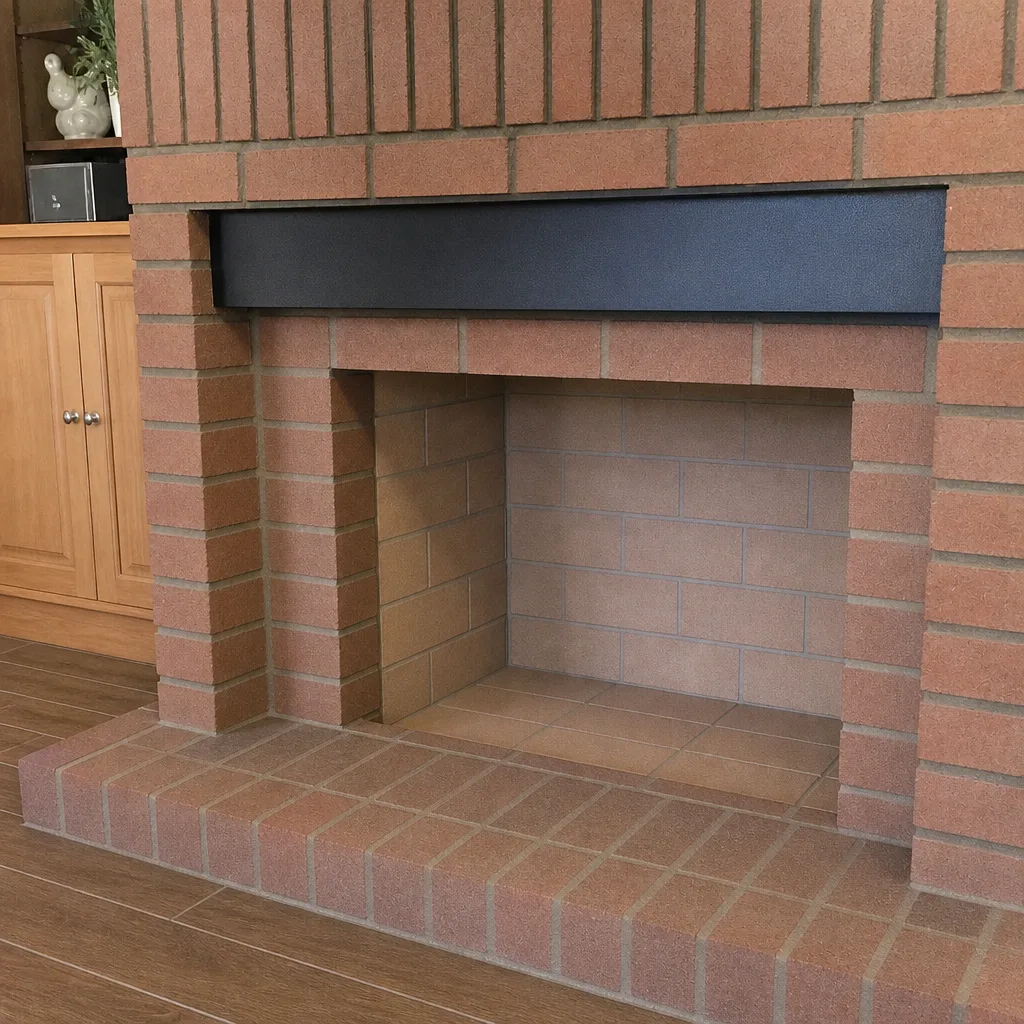
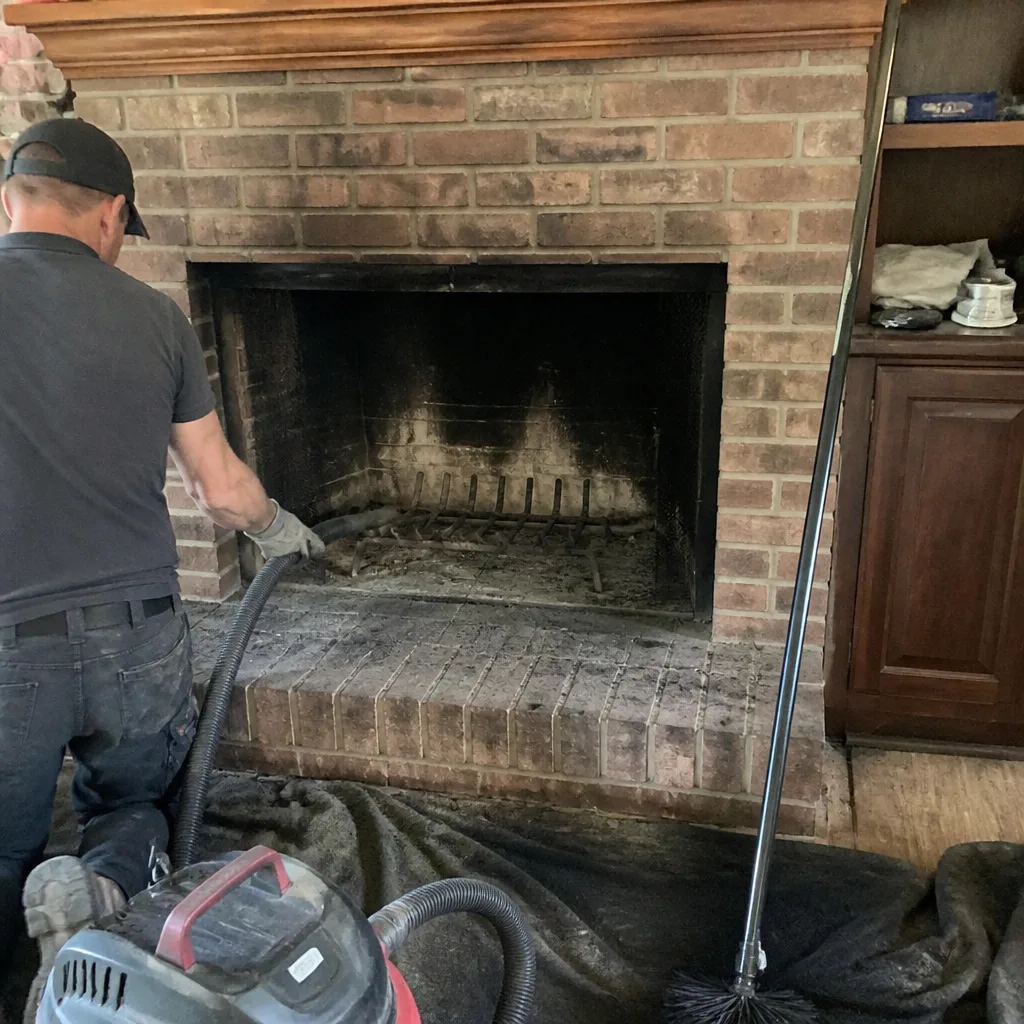 Before
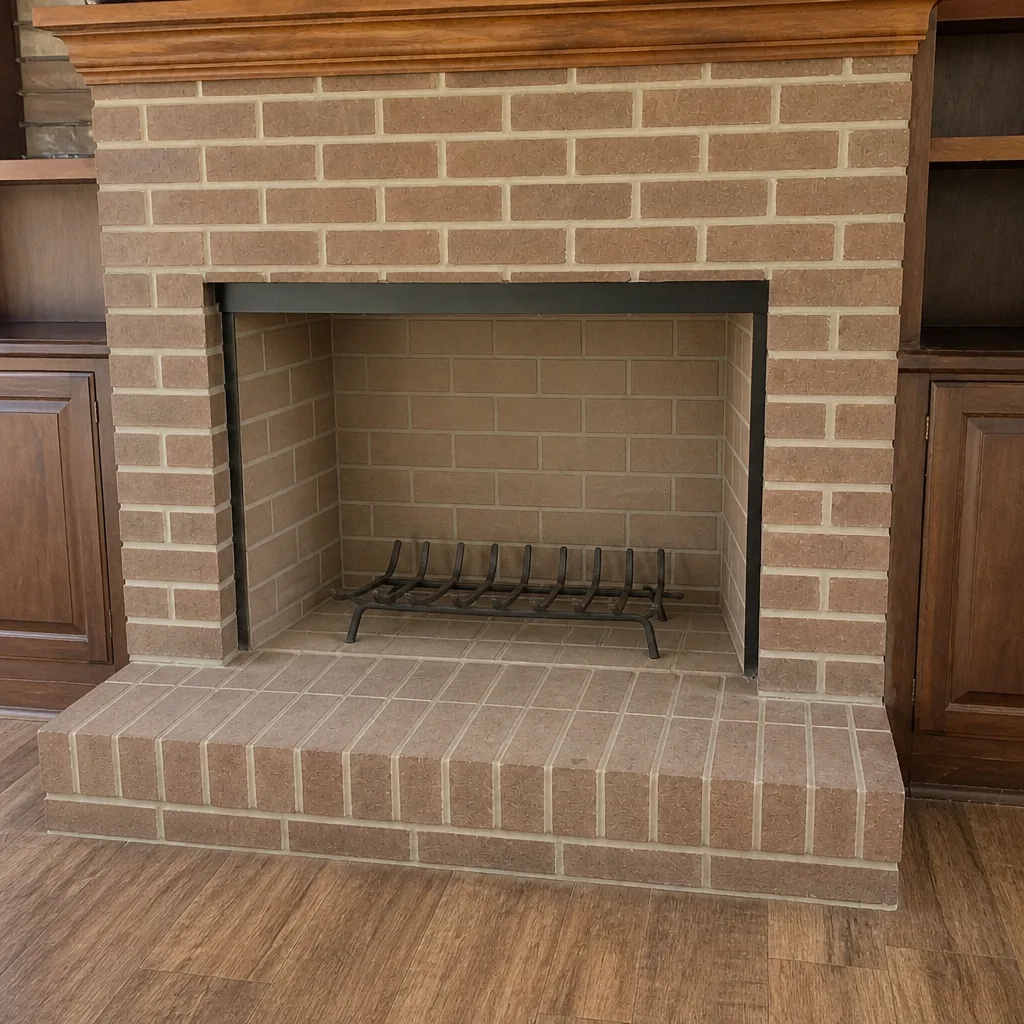 After
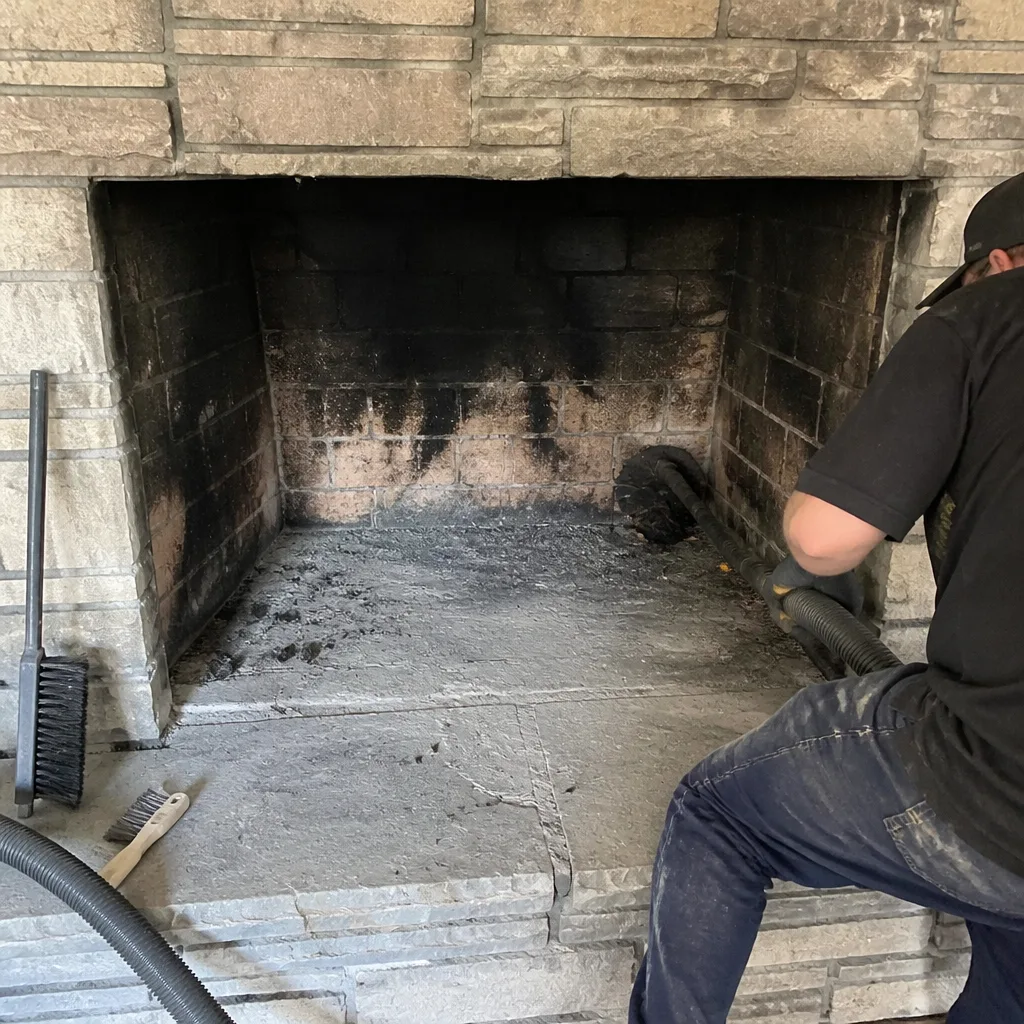
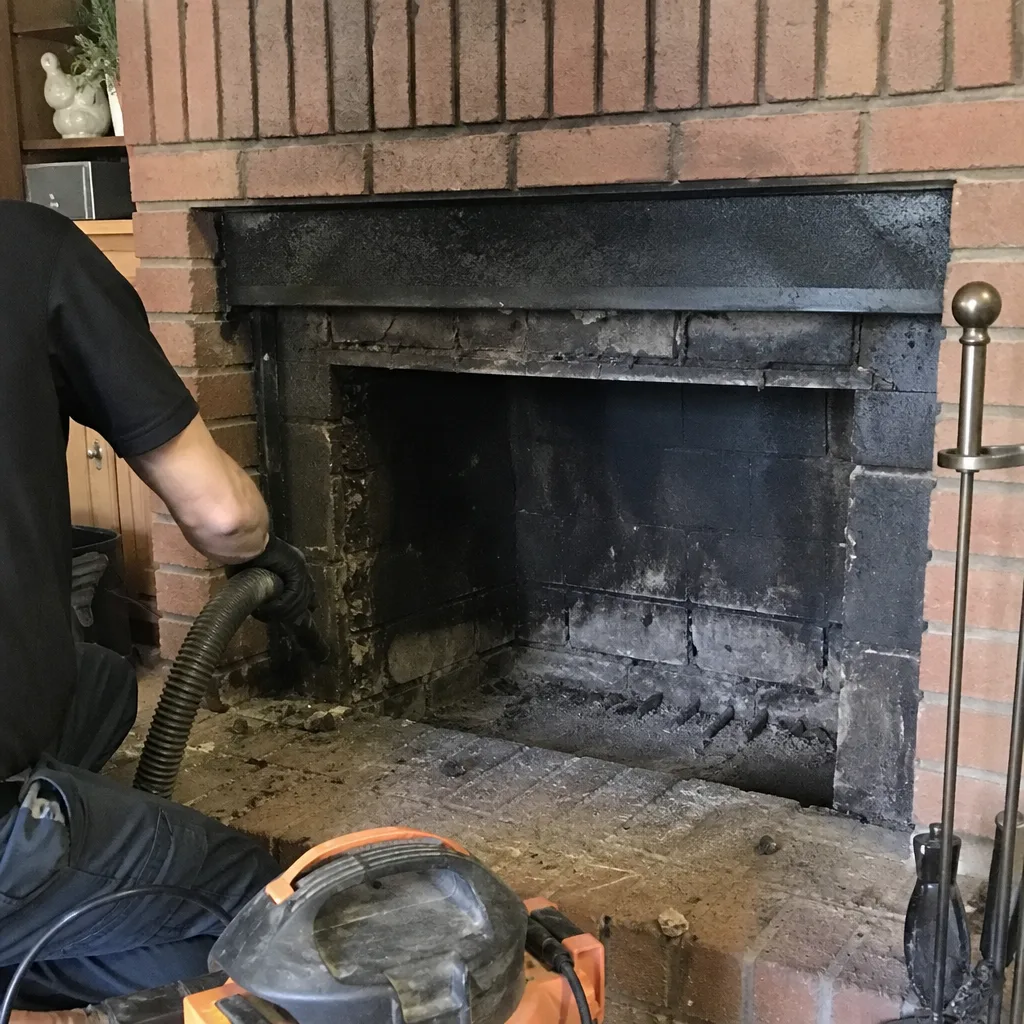 Before
 After
 Before
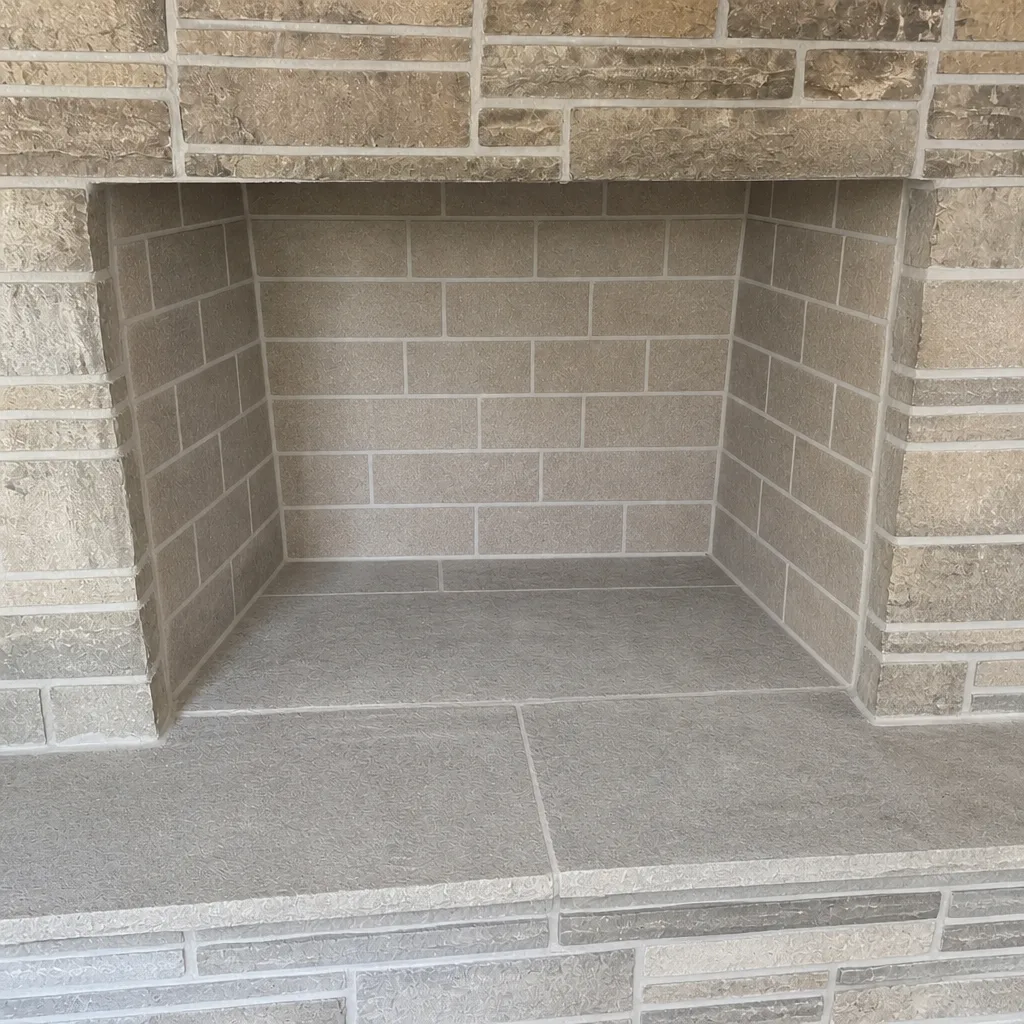 After
When to Call a Professional
Call a professional after any chimney fire, before the first fire of the season, after a home inspection flags anything on the flue, and whenever you see or smell signs of trouble: a wet firebox, water stains near the chimney, rusted damper hardware, a missing or rusted cap, creosote flaking from the flue, or a CO alarm that has ever sounded. Call after a home purchase if the previous owner left no records. Call when you’ve switched appliances and no one checked the liner. Call if it’s been years since the last inspection, even if nothing seems wrong. Knoxville Chimney Sweep offers free estimates in Knoxville; call (844) 542-3766. We answer 24/7. Fast dispatch from 7am to 7pm, Sunday through Friday. A call outside dispatch hours is booked into the next opening, Sunday through Friday, 7am to 7pm.
Frequently Asked Questions
A standard chimney sweep in Knoxville is typically priced per job based on the flue configuration, the amount of creosote present, and whether the chimney has a liner that needs care during the sweep. Sweeping and inspection are usually quoted separately or together depending on what the technician finds. Call (844) 542-3766 for an exact quote; estimates are free.
You need a new liner when the inspection shows the existing flue cannot safely contain the heat and gases of your appliance, not when a flue looks old. A cracked clay tile, an unlined 1920s chimney serving a wood insert, or a liner installed for a different appliance are the usual reasons a reline becomes necessary. A cast-in-place HeatShield resurfacing can restore some flues without a full teardown, and a DuraFlex stainless liner replaces a compromised flue path outright. The determination belongs in a documented inspection report. Call (844) 542-3766 for an exact quote; estimates are free.
Sweep when the inspection shows meaningful creosote buildup, not on a calendar alone. For a frequently used wood fireplace, that often works out to an annual inspection with a sweep as needed; for occasional use, the inspection still runs every year and the sweep follows the evidence. Gas appliances venting through the flue still benefit from an annual inspection for blockage and CO risk even when no wood is burned. Call (844) 542-3766 for an exact quote; estimates are free.
Creosote accumulates, a crown or cap degrades, and the flue moves from inspected to unknown. The common outcomes are a chimney fire that you can’t easily manage, a CO spill from a blocked flue serving a gas appliance, or water damage that turns a small crown repair into structural masonry work. None of these is inevitable, and none is a scare tactic; they’re the standard failure modes we see in flues that haven’t been looked at. Call (844) 542-3766 for an exact quote; estimates are free.
Yes. Call 911 from outside the home, state that you have a chimney fire, and stay out until the fire department clears the scene. Do not close the damper and do not spray water into the firebox. After the fire department leaves, the chimney is not yet certified safe; a Level 3 inspection determines whether the flue can return to service, and that report is the document your insurance claim will be built on.
A gas fireplace does not produce the creosote that fuels a wood chimney fire, but it can produce the more common gas-appliance emergency: carbon monoxide spill from a blocked, mis-vented, or oversized flue. A gas appliance venting through a masonry chimney in an older Knoxville home should be inspected annually for blockage and correct liner connection. Call (844) 542-3766 for an exact quote; estimates are free.
Stay outside. Keep everyone, including pets, at a safe distance from the house, and watch the roof and chimney top for visible flame or sparks so you can tell the arriving crew what you see. Do not re-enter for pets, documents, or valuables. The documentation folder we recommend in this guide exists exactly so that you never have to make that choice.
It’s not the same legal requirement as a smoke detector, but a documented inspection is one of the most useful documents you can have in a real estate transaction. A written condition report with photos, liner specs, and repair records takes the guesswork out of a buyer’s objection and pre-empts the “we’ll need a new chimney” conversation. If you’re selling, get the inspection now and include it with the disclosures.
The Bottom Line
Emergency preparedness for a Knoxville chimney is a documentation habit, not a fire plan. Get a professional chimney inspection, keep the report, photograph the flue, cap, crown, and appliance plates, and record the liner specs if the chimney has been relined. Know the fire sequence: out of the house, 911, and don’t close the damper. Take a fire department visit as the start of the evaluation, not the end; a Level 3 inspection determines whether the flue is safe to use again. Watch the CO side of gas appliances vented through masonry chimneys in older Knoxville homes. From the cap to the firebox, the work is manageable when it’s done in late summer and difficult when it’s done during a fire. A clean sweep is only the beginning.
If your chimney hasn’t been inspected this year, or you’re not sure what’s inside the flue, call Knoxville Chimney Sweep at (844) 542-3766 for a free estimate. We answer 24/7. Fast dispatch from 7am to 7pm, Sunday through Friday. A call outside dispatch hours is booked into the next opening, Sunday through Friday, 7am to 7pm.
Written by the team at Knoxville Chimney Sweep.