
Last updated November 25, 2026
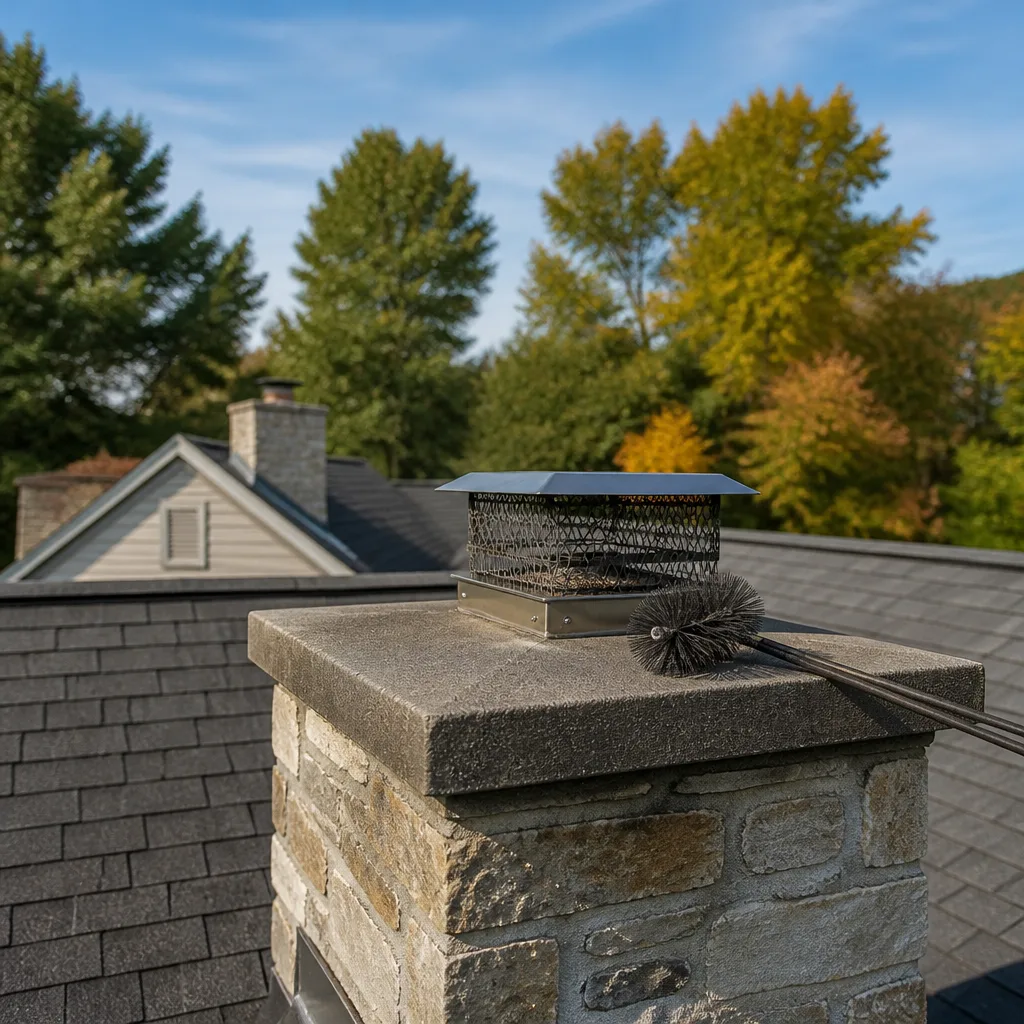 Sweep & inspection
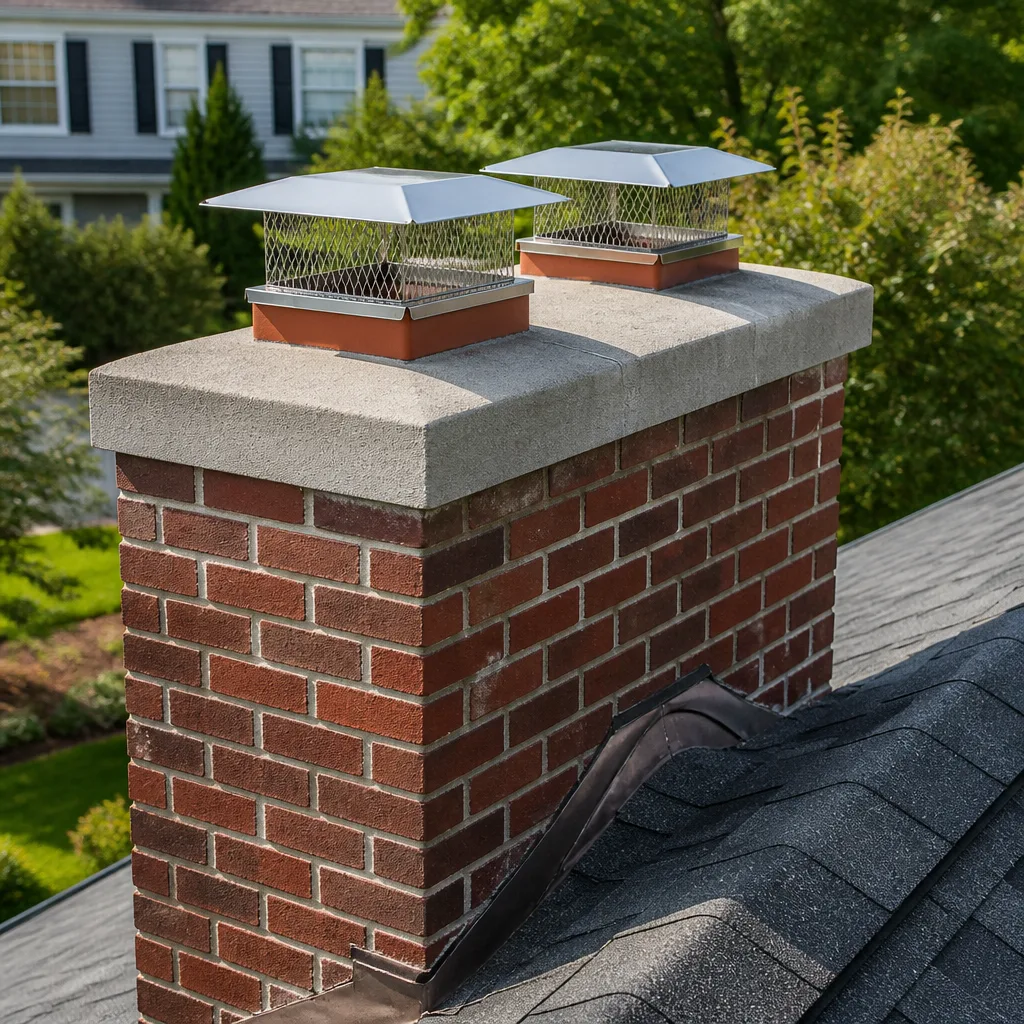 Caps & crowns
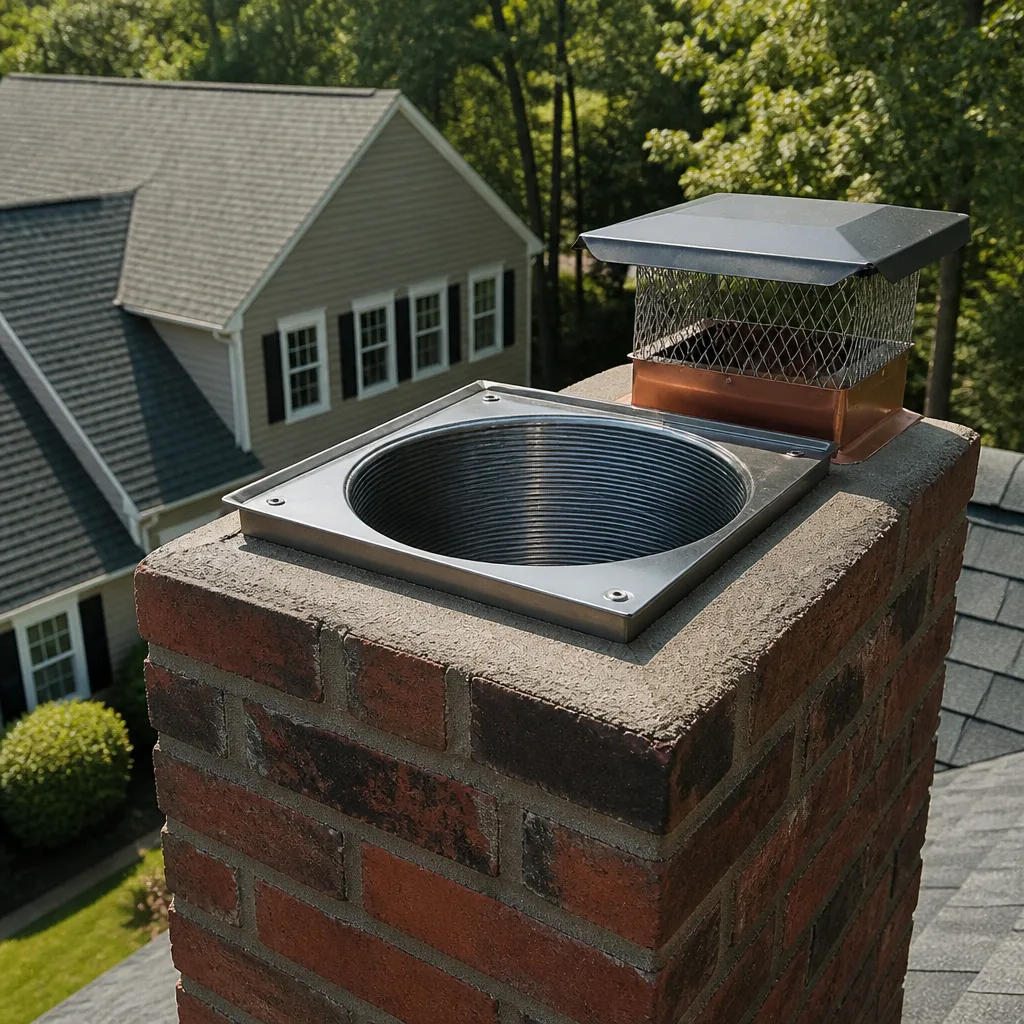 Flue relining
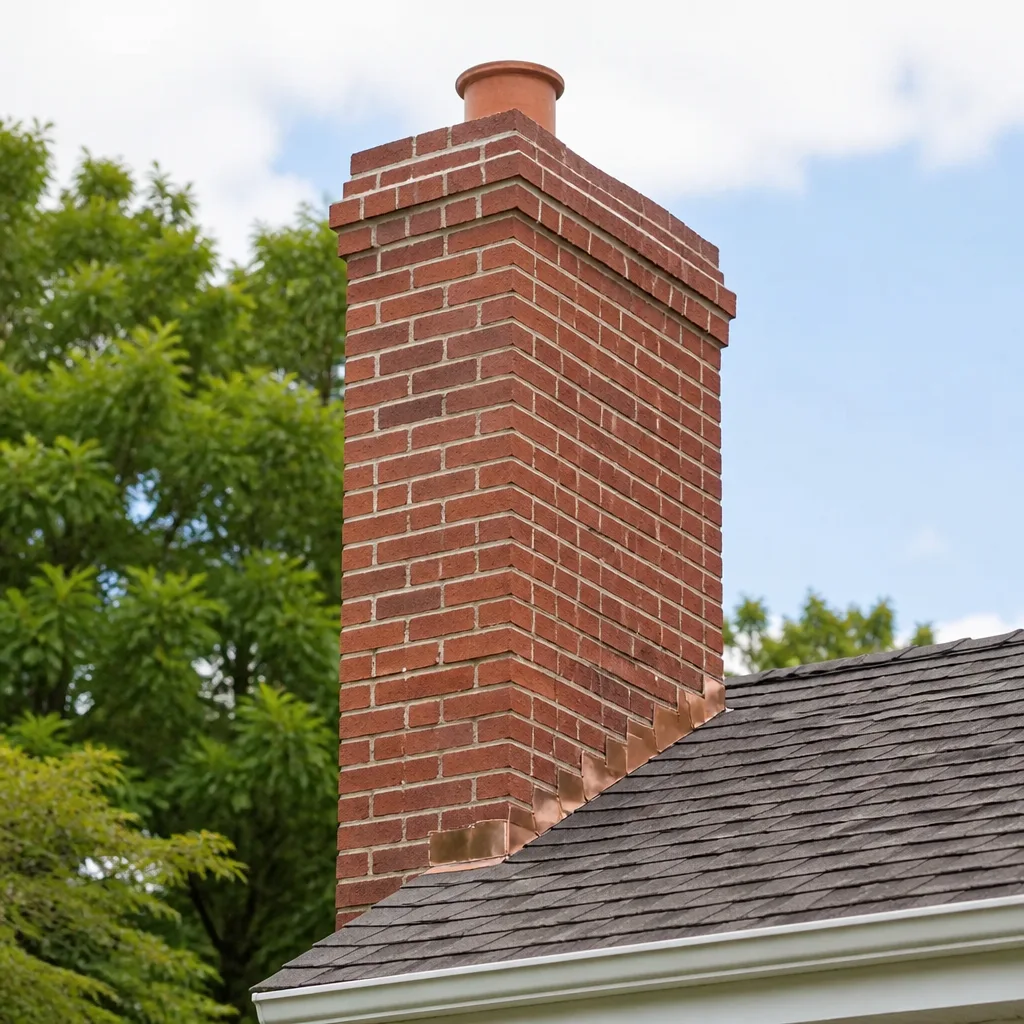 Masonry repair
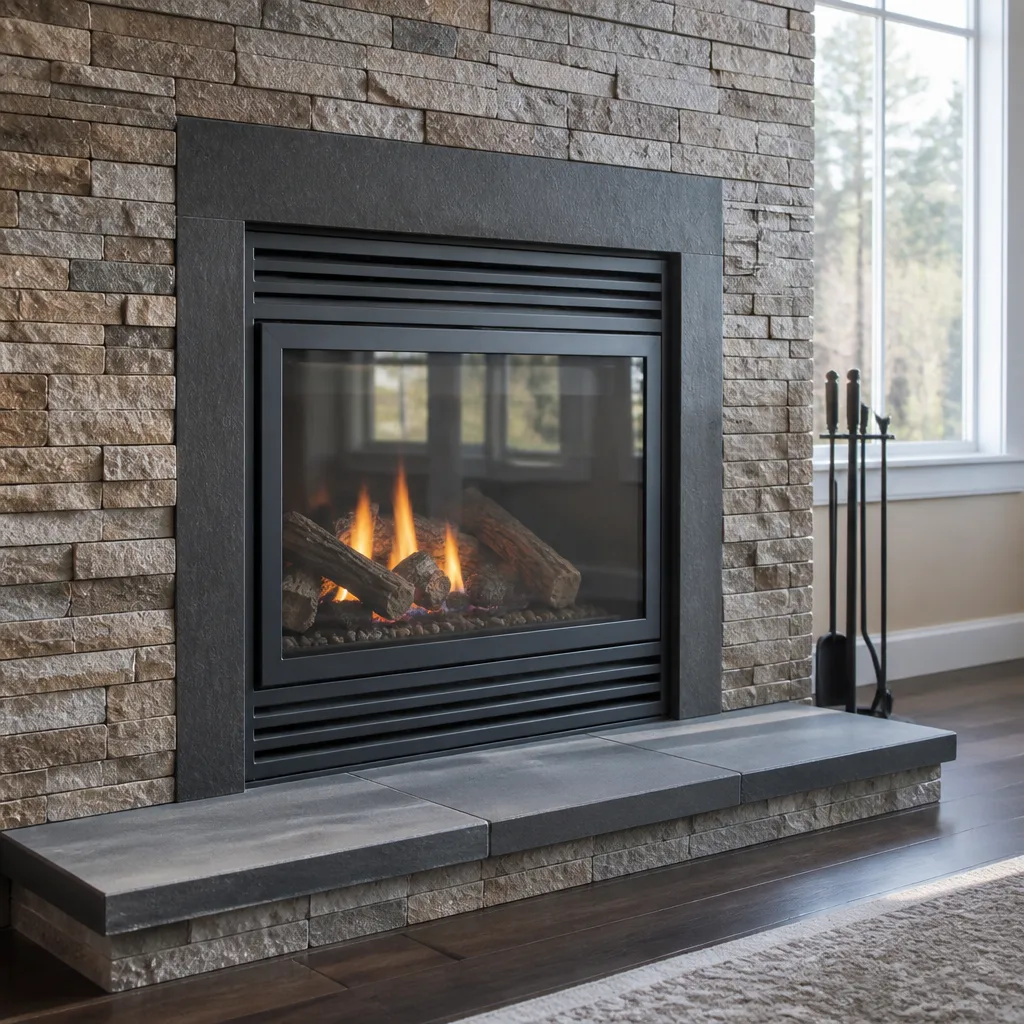 Gas fireplace service
Level 1 sweep and inspection to the NFPA 211 annual standard - flue, crown, cap, and flashing checked and photographed
Chimney sweep logs do not sweep chimneys. They loosen some creosote - which then falls where a brush and vacuum still have to collect it.
Seasonal Chimney Cleaning Care for Knoxville: Year-Round Homeowner’s Guide
Most chimney advice you’ll find online was written for a climate that doesn’t exist here. The national playbook says sweep in September, burn from October to March, and forget the chimney until next fall. Knoxville doesn’t cooperate with that timeline. East Tennessee swings between 70-degree afternoons in early November and hard freezes two days later, then settles into a wet spring that can run straight through May. That pattern puts moisture into your chimney during the exact months most homeowners have mentally checked out of fireplace season. This guide maps chimney care to Knoxville’s actual weather, month by month, so you know what to watch for and when to act.
Quick Answer
In Knoxville, chimney care follows two pressure points rather than one: a spring moisture window (March through May) when rain and humidity attack crowns, caps and liners, and a fall burning window (October into December) when creosote builds up and the first cold snaps arrive unpredictably. The practical rule is to inspect in early spring after your last fire, and sweep in late August or early September before the fall rush, not in November when scheduling gets tight.
Styles & brands we work with
- Sweep & inspection
- Caps & crowns
- Flue relining
- Masonry repair
- Gas fireplace service
Table of Contents
- Why Knoxville’s Climate Breaks the Standard Chimney Calendar
- The Month-by-Month Chimney Care Map for Knoxville
- The Freeze-Thaw Window and What It Does to Crowns
- The Spring Rain Window and Liner Deterioration
- Why Late August Beats November for Scheduling
- What Off-Season Chimney Work Actually Means
- Gas Fireplace Care vs. Wood-Burning Care Across Knoxville Seasons
- The Post-Winter Inspection Case
Why Knoxville’s Climate Breaks the Standard Chimney Calendar
Knoxville gets more rain than most people assume. The area averages over 47 inches annually, which is more than Seattle, and much of that moisture arrives in spring and fall. Those two windows are also when homeowners are least likely to think about their fireplace. In spring, the burning season is over and attention moves outside. In fall, the chimney hasn’t been used in months, so there’s nothing prompting a second look. The result is that the two seasons doing the most damage to masonry and liners are the two seasons getting the least scrutiny.
The other factor is temperature swing. Knoxville sits in a transition zone where a hard freeze and a mild afternoon can show up in the same week. Masonry expands and contracts with those swings, and so does the metal in a liner. A chimney that holds up fine in a stable climate can develop hairline cracks here that widen over a couple of seasons. None of this happens quickly enough to notice from inside the house, which is exactly why a scheduled inspection matters more than a reactive one.
We’ve seen how differently a chimney ages when the homeowner works with the local rhythm instead of the national one. The house that gets looked at in March and swept in late August tends to need less repair work over time than the one that gets a single November visit. Schedule a chimney sweep and inspection at the start of the shoulder season and you’re working with the weather rather than against it.
What Makes Knoxville Different From a Generic Timeline
- More annual rainfall than Seattle, concentrated in spring and fall
- Freeze-thaw cycles that stress crowns and masonry joints
- Unpredictable cold snaps in October and November
- Humid summers that hold moisture against masonry for weeks
- A burning season that can start early or late depending on the year
The Month-by-Month Chimney Care Map for Knoxville
The map below gives you a starting point, not a rigid rule. Weather shifts year to year, so treat it as a prompt to act rather than a fixed deadline. This is what the Knoxville cycle actually looks like from the inside.
- January and February: peak burning. Keep an eye on draft quality. A fireplace that starts smoking more than usual mid-season often signals a creosote buildup or a cap that’s been blocked by debris.
- March: post-winter inspection. This is when moisture damage from the freeze-thaw cycle shows up, and catching it now stops it from compounding through summer humidity.
- April and May: the wet window. Crown cracks, cap damage and liner deterioration accelerate. This is prime time for waterproofing and crown sealing while the weather is still cool and dry spells are predictable.
- June through August: off-season repair work. Structural repairs, cap replacement and relining are all easier to schedule and best performed in dry summer conditions.
- Late August to early September: the sweep window. Get the chimney cleaned before the fall rush, and there’s room in the schedule for any repair the inspection uncovers.
- October and November: first fire. Verify the flue is clear and the cap is intact before burning. Cold snaps arrive without much warning here.
- December: steady burning. Watch for draft changes and keep the firebox clear.
The key insight is that late summer and early fall are the two windows where you can combine a cleaning with any repair the sweep uncovers, in one scheduling cycle. Book too late and those two tasks split across weeks.
The Freeze-Thaw Window and What It Does to Crowns
The crown is the concrete or mortar cap at the very top of the chimney, and it’s the piece most exposed to freeze-thaw stress. In Knoxville, that means any month between November and March where the temperature crosses the freezing line repeatedly. Water settles into a hairline crack during the day, then freezes and expands overnight. Over a season, a crack that started as a surface blemish can work its way deeper into the crown and eventually into the masonry beneath it.
What makes this tricky is that crown damage rarely announces itself. You won’t see it from the ground unless you’re looking for it, and you definitely won’t see it from inside the house. What you will eventually notice is water finding its way into the firebox, staining on the chimney breast, or a musty smell in the room. By then, the water has been working for a while. This is why the spring inspection matters: it’s the check that catches crown cracks after the freeze-thaw season rather than after they’ve done a summer’s worth of damage.
Crown repair and replacement are part of the same service relationship we offer chimney cap & crown work for, and the point of a properly sealed crown is to stop the freeze-thaw cycle from having anything to work with. A crown that sheds water the way it’s supposed to removes the single most common source of chimney damage in this climate. If your crown has visible cracks, the right move is to seal or replace it during the dry summer months, not to wait for a leak.
Signs Your Crown Needs Attention
- Visible cracks or a crumbling texture at the top of the chimney
- Water stains on the chimney breast or firebox walls
- Rust on the damper or firebox components
- A musty smell in the fireplace room after rain
- Mortar joints below the crown that look washed out
The Spring Rain Window and Liner Deterioration
If crown cracks are the most visible problem, the liner is the one that matters most for safety. A clay tile liner can develop gaps and cracks over time, and once it does, the flue no longer contains what it’s meant to contain. In a wet spring, moisture finds those gaps and accelerates the damage. Over successive seasons, a liner that started with one crack can end up compromised across multiple tiles.
The signs of liner trouble are easy to overlook because they masquerade as other problems. White staining on the exterior masonry, a flue that drafts poorly, or debris falling into the firebox are all worth investigating. None of them are a diagnosis on their own. A camera inspection is what tells you the actual condition of the liner, and that’s a service we offer as a standalone so you have the information regardless of what you decide to do next.
When a liner does need replacement, the fix is a flexible stainless system rather than a full masonry rebuild in most cases. A DuraFlex flexible liner runs inside the existing flue and provides a new, continuous, corrosion-resistant pathway for smoke and gases. That’s a different category of repair than patching a cracked tile, and it’s the kind of work that should be done in dry weather so the installation isn’t fighting moisture. Late spring through early fall is the window for it. Our technicians have up to 11 years of experience working with these systems, and the material choice is matched to the chimney rather than pulled off a shelf.
Why Late August Beats November for Scheduling
There’s a practical reason to book a sweep in late August rather than waiting until the first cold snap pushes everyone to call at once. When you sweep early, any repair the sweep reveals can be scheduled in the same window, often the same week. When you wait until November, the same repair has to compete with everyone else’s urgent booking, and you end up either burning before the repair is done or sitting out the first part of the season. The chimney doesn’t care about the calendar. Your schedule does.
Late August also happens to be a good time to clean a chimney from a temperature standpoint. The weather is dry enough for outdoor work, the burning season hasn’t started, and there’s no pressure to rush the job. If the sweep turns up something, you have weeks to plan rather than hours. That’s not a scare tactic; it’s just how scheduling works when demand is low.
The Late-Summer Sweep Checklist
- Book the sweep and inspection before the fall rush begins
- Have the flue camera-inspected for liner condition
- Confirm the cap is intact and the crown is sealed
- Review the condition report and decide on any repair before burning season
- Schedule any needed repair in the same dry-weather window
If you’re buying or selling a Knoxville home, late summer is also the natural time to get an inspection that documents the chimney’s condition. That report can go to an insurer, a real estate agent or a buyer without any further interpretation. Inspection as a standalone service is something we take seriously, because a documented assessment is useful whether or not any work follows.
What Off-Season Chimney Work Actually Means
Off-season chimney work is often described as a discount window, which misses the point. The real reason to do structural work in summer is that dry conditions produce better results. Waterproofing applied to dry masonry cures and bonds the way it’s meant to. Crown sealing done in dry weather sets properly. Cap replacement goes in without fighting moisture. None of that is a scheduling trick; it’s a materials-science reason.
The three jobs that benefit most from the dry summer window are waterproofing, crown sealing and cap replacement. Waterproofing on the exterior masonry is what keeps Knoxville’s spring rain from soaking into the brick and mortar in the first place. Crown sealing closes the cracks the freeze-thaw cycle opens. Cap replacement addresses the most common entry point for both water and animals. All three are best done in a stretch of dry weather, which Knoxville reliably provides in June, July and August.
Structural repair beyond the crown, such as rebuilding a damaged chimney stack or repairing a firebox, also tends to be more predictable in summer. The materials set better and the work isn’t rushed by incoming weather. For fireplace repair that involves the firebox itself, dry weather means the repair can cure without humidity working against it.
Interior Resurfacing and HeatShield
When the inside of a flue has deteriorated but the structure around it is sound, a full teardown isn’t always necessary. HeatShield resurfacing restores the interior surface of the flue by applying a repair material that bonds to the existing masonry and rebuilds a smooth, sealed passage. It’s a repair method, not a patch, and it can extend the working life of a flue that would otherwise need reconstruction. We’ve found that homeowners facing a masonry rebuild estimate appreciate knowing whether resurfacing is a viable alternative before committing. The camera inspection is what tells us either way.
Gas Fireplace Care vs. Wood-Burning Care Across Knoxville Seasons
Gas fireplaces don’t produce creosote, so the seasonal calendar shifts. A wood-burning chimney needs a sweep based on how much you’ve burned, while a gas fireplace needs an annual inspection of the venting, the logs and the burners to confirm everything is working as designed. That inspection is most useful before the heating season starts, so the first cold snap doesn’t find you with a fireplace that won’t light cleanly.
The spring check matters for gas fireplaces too, but for a different reason. Winter use leaves condensation and any debris that got past the vent cap, and the spring inspection catches both before summer humidity sets in. A vented gas fireplace shares the chimney structure with a wood-burning one, so the crown and cap need the same attention regardless of fuel type. Cap damage lets animals and water into a gas flue just as easily as a wood one.
Side-by-Side Seasonal Priorities
- Wood-burning: sweep based on creosote buildup, not just once a year. Heavy burners may need two cleanings a season. Inspect in spring, sweep in late summer.
- Gas: annual inspection for venting and burners, usually before the first cold snap. Cap and crown checks follow the same seasonal rhythm as wood.
- Both types: crown and cap inspection after the freeze-thaw window, waterproofing in summer.
The material choices matter here too. We source caps and crowns from multiple professional supply lines including Olympia Chimney and Copperfield, matched to the specific chimney rather than a one-size-fits-all unit. A vented gas flue and a wood-burning flue have different requirements, and the hardware should reflect that.
The Post-Winter Inspection Case
March and April are the most useful months to look at a chimney in Knoxville, and it’s the inspection most homeowners skip. The freeze-thaw season has just finished, so any crown damage from the winter is at its most visible. The spring rain hasn’t started yet, so it hasn’t had a chance to work its way into those cracks. Catch the damage now and the summer humidity doesn’t compound it. Wait until fall and you’ve given moisture a full wet spring and a humid summer to work with.
The post-winter inspection catches more than crown cracks. It’s also the check that reveals whether the burning season left behind creosote buildup that needs attention, whether the cap survived the winter intact, and whether the liner sustained any damage from the temperature swings. A documented condition report from that inspection is useful for insurance purposes and for peace of mind going into the off-season.
We think of late winter as the check that protects the rest of the year. A March inspection that turns up a cracked crown is a repair you can plan and schedule in dry weather. The same crack found in October is a scramble before the first fire. That difference in timing is the whole argument for the spring visit. Know what you have before the first fire of the season, and you’re not guessing when the weather turns.
What the Post-Winter Inspection Covers
- Crown condition after freeze-thaw exposure
- Exterior masonry for water damage and staining
- Flue interior via camera to check liner integrity
- Creosote level from the previous burning season
- Cap and animal guard condition
- Firebox and damper function
Common Mistakes to Avoid
We’ve seen the same handful of mistakes play out in Knoxville homes across every neighborhood, from the older housing stock near downtown to newer construction farther out. Each one is a small miss with a slow, expensive tail.
- Waiting until November to book a sweep. By November, the fall rush is on and any repair the sweep reveals has to wait behind everyone else’s urgent booking. Book in late August and you have room in the schedule.
- Treating the post-winter inspection as optional. Spring is the one window where freeze-thaw damage is most visible and least compounded. Skip it and the damage gets a full wet season to deepen.
- Assuming a clean chimney means a sound chimney. A sweep removes creosote, but it doesn’t tell you the condition of the crown, cap or liner. Inspection and cleaning are separate tasks for a reason.
- Ignoring a crown crack because the fire burns fine. The fire will burn fine right up until water has been entering for a season. Crown cracks don’t show up as draft problems until they’ve become damp problems.
- Waterproofing wet masonry. Knoxville’s humidity makes this mistake common. Sealing a damp chimney traps moisture inside, which is worse than not sealing it at all. Waterproofing belongs in dry summer weather.
- Putting off a gas fireplace because “it doesn’t produce creosote.” Gas systems skip creosote but still need the venting, burners and cap inspected each year. The fuel type changes the schedule, not the need.
- Skipping the cap inspection after a storm. Knoxville storms can drop limbs and debris onto a cap, and a damaged cap is the opening animals and water use to get in. A quick check after a storm is worth the phone call.
See the difference
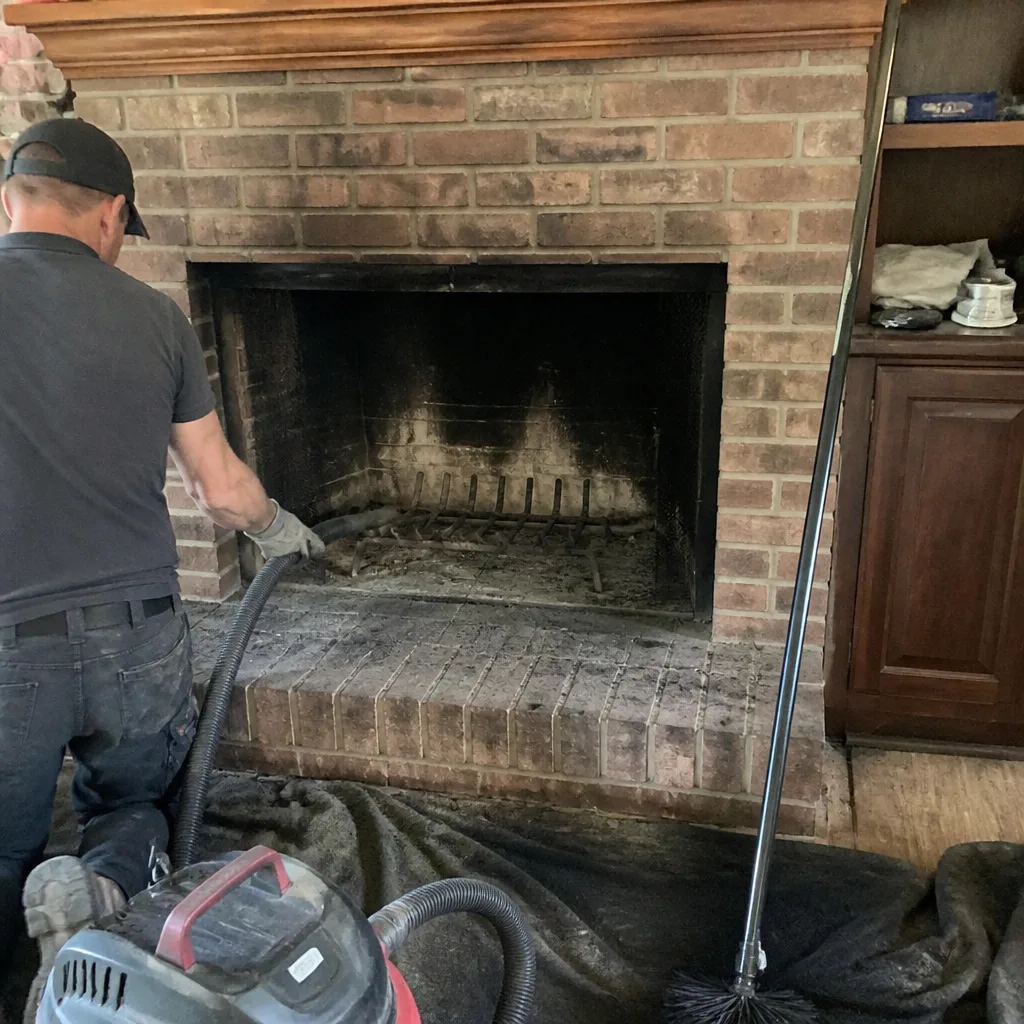 Before
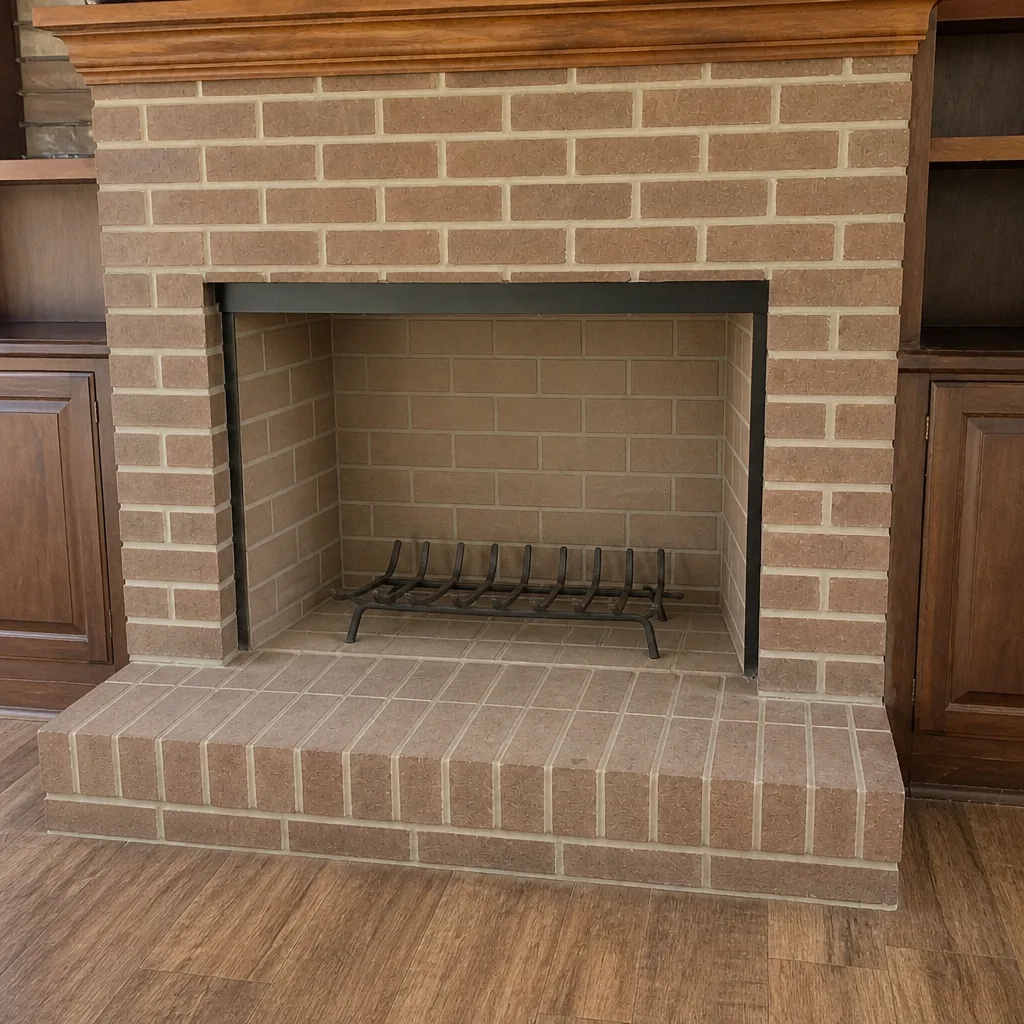 After
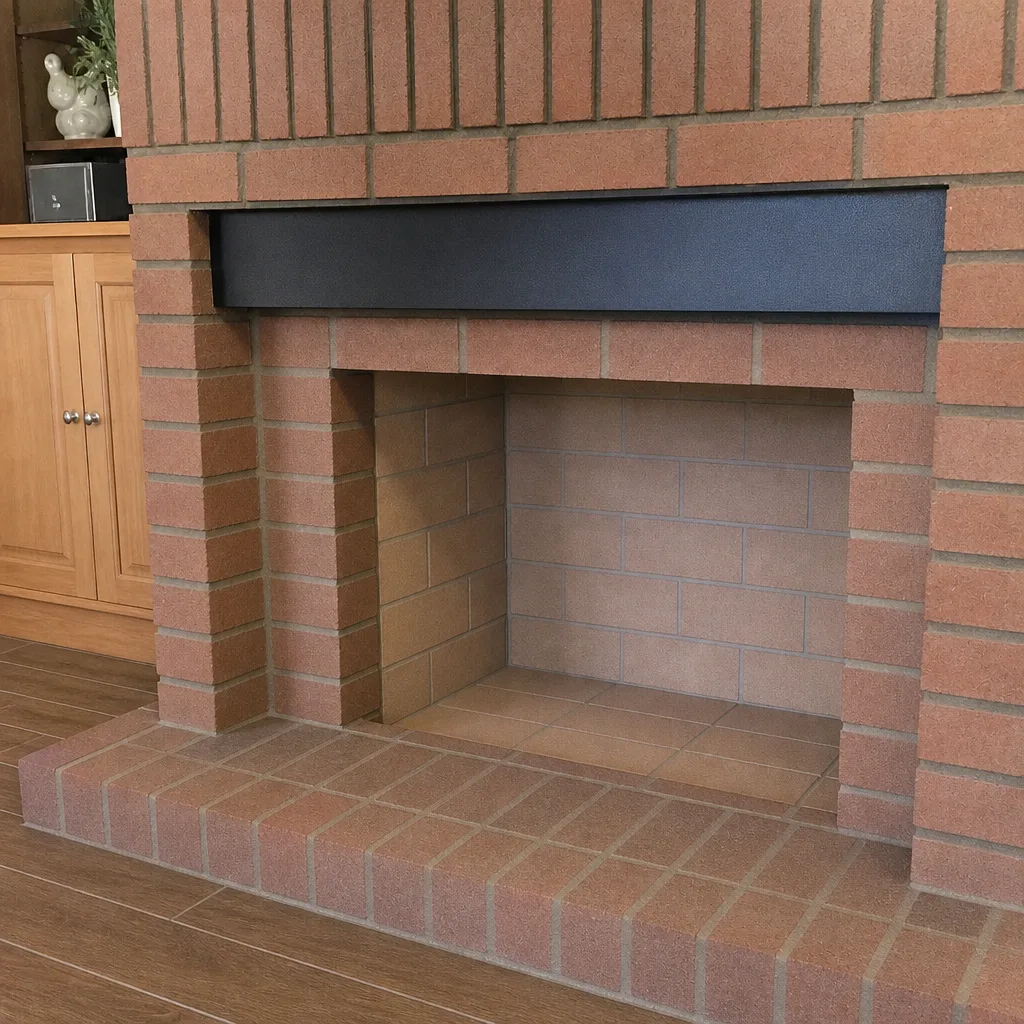
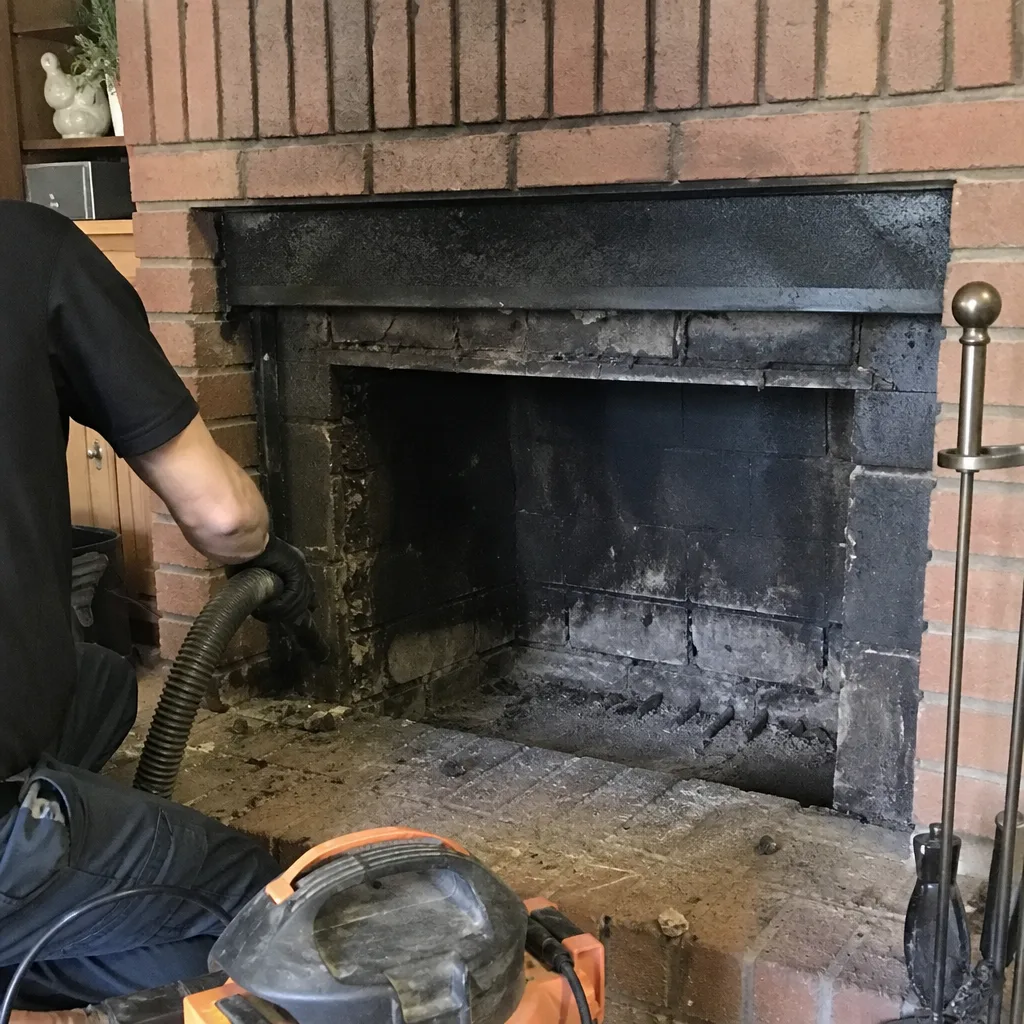 Before
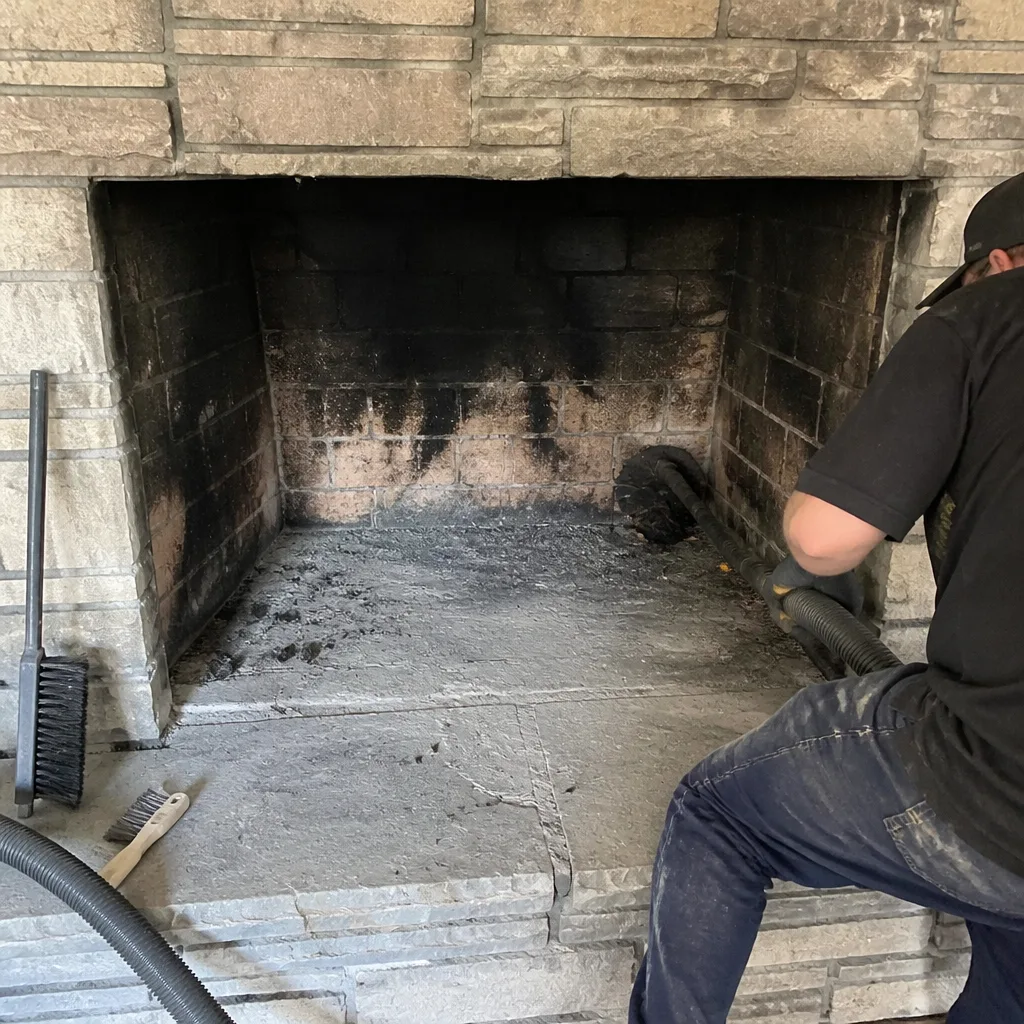
 After
 Before
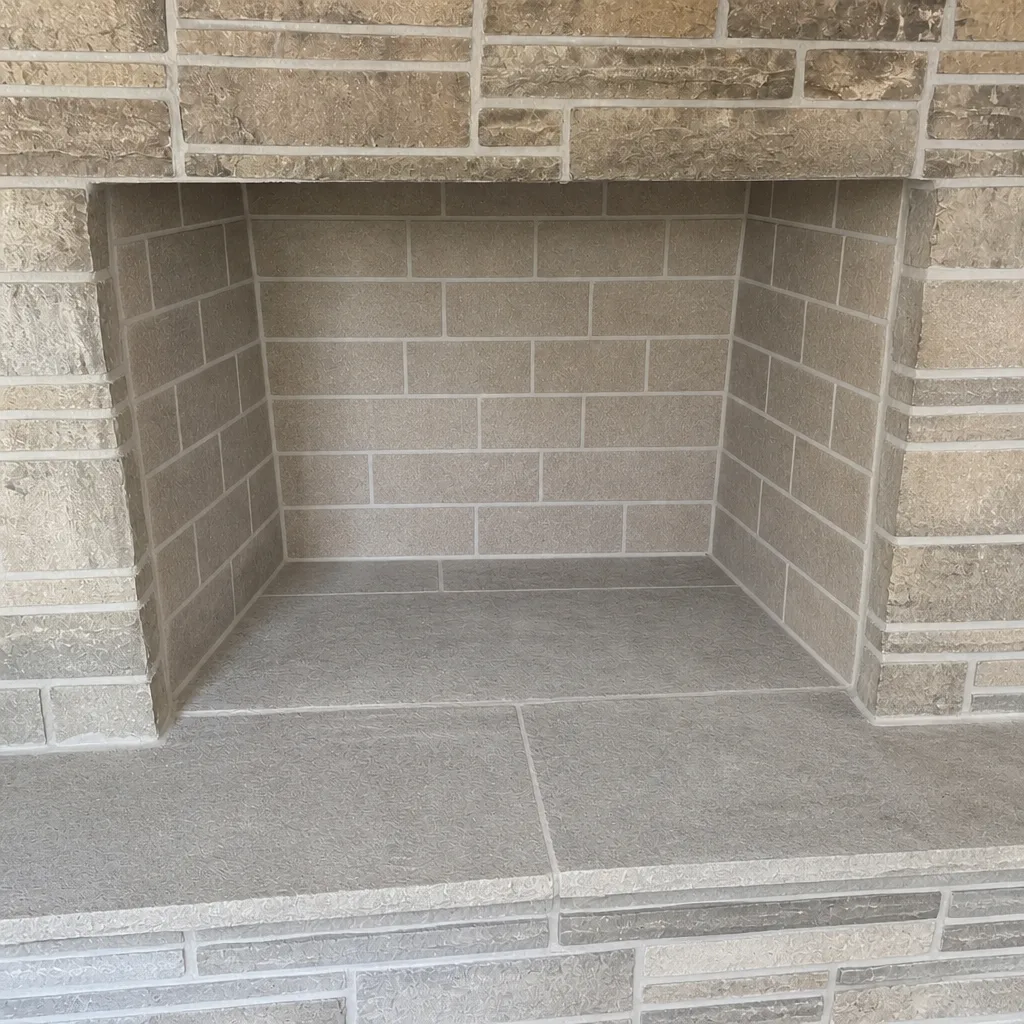 After
When to Call a Professional
Some chimney care is a scheduling decision and some needs a call. Call a professional if you notice water stains on the chimney breast, a musty smell after rain, visible cracks in the crown, or debris falling into the firebox. Call if the fireplace starts drafting poorly mid-season, if the damper sticks, or if you’ve just moved in and don’t know when the chimney was last cleaned. Call after a storm that may have damaged the cap. And call if a home inspection flagged something you don’t yet understand. Knoxville Chimney Sweep offers free estimates in Knoxville. Call (844) 542-3766. We answer 24/7. Fast dispatch from 7am to 7pm, Sunday through Friday.
Frequently Asked Questions
Sweep a wood-burning chimney based on creosote buildup, which usually means at least once a year for a regular burner and possibly twice for someone who burns heavily through the colder months. Schedule the sweep for late August or early September, before the fall rush. A gas fireplace doesn’t need a creosote sweep but does need an annual inspection of venting and burners. Call (844) 542-3766 for an exact quote; estimates are free.
Yes. Knoxville averages more rainfall annually than Seattle, and most of it falls in spring and fall, which shifts the moisture risk away from the traditional fall-only chimney calendar. The spring rain window is when liners and crowns take on the most water, and the freeze-thaw window in winter is when crowns crack. A schedule built around those two windows does more for a Knoxville chimney than the national fall sweep alone.
Skipping an inspection means the crown, cap and liner don’t get checked, so small damage keeps going unnoticed while moisture and temperature swings make it worse. A crown crack found in spring is usually a manageable repair. The same crack found a year later can mean water has reached the masonry and firebox. The inspection is what tells you which situation you’re in, and it’s the reason a documented assessment matters more than a clean sweep alone.
Only if a camera inspection shows the existing liner is cracked, gapped or deteriorated to the point where it no longer contains the flue gases. A clay tile liner in good condition doesn’t need replacing. When it does, a DuraFlex flexible liner is the usual solution, and it’s less disruptive than a full masonry rebuild. We don’t recommend a liner without camera evidence you can see for yourself, and we’ll tell you plainly if the work can safely wait.
Late summer is better for Knoxville homeowners, for a practical rather than a dramatic reason. Booking in late August means the sweep and any repair it uncovers can be done in the same window, often the same week, while the dry weather holds. Wait until November and the same repair competes with everyone else’s urgent booking. Call (844) 542-3766 for an exact quote; estimates are free.
Waterproofing, crown sealing and cap replacement are all best done in Knoxville’s dry summer months because the materials set and bond the way they’re designed to. Interior resurfacing with HeatShield and liner installation also go better in dry conditions. The reason isn’t a discount; it’s that dry weather produces a better result. If you’re planning any structural work this year, summer is the window to schedule it.
The Bottom Line
Knoxville’s chimney calendar doesn’t match the national fall-sweep template, and that’s the whole point of this guide. The two windows that matter here are the spring moisture window, when rain and humidity attack crowns, caps and liners, and the fall burning window, when the first cold snap arrives without much warning. Inspect in March or April after the freeze-thaw season. Sweep in late August or early September before the rush. Do structural work in dry summer weather. And when something looks off, get the camera inspection before deciding what to do. That rhythm, matched to Knoxville’s actual weather, beats a generic seasonal schedule every time.
Contact
Whether you’re preparing for the next burning season, following up on a home inspection, or just want to know what shape your chimney is in, we can help. From the cap to the firebox, our team handles the sweep, the inspection, the repair and the structural work in one service relationship. Call (844) 542-3766 for a free estimate. We answer 24/7. Fast dispatch from 7am to 7pm, Sunday through Friday. You can also start with our Knoxville Chimney Sweep team to schedule your inspection.
Written by the team at Knoxville Chimney Sweep.