
Last updated November 25, 2026
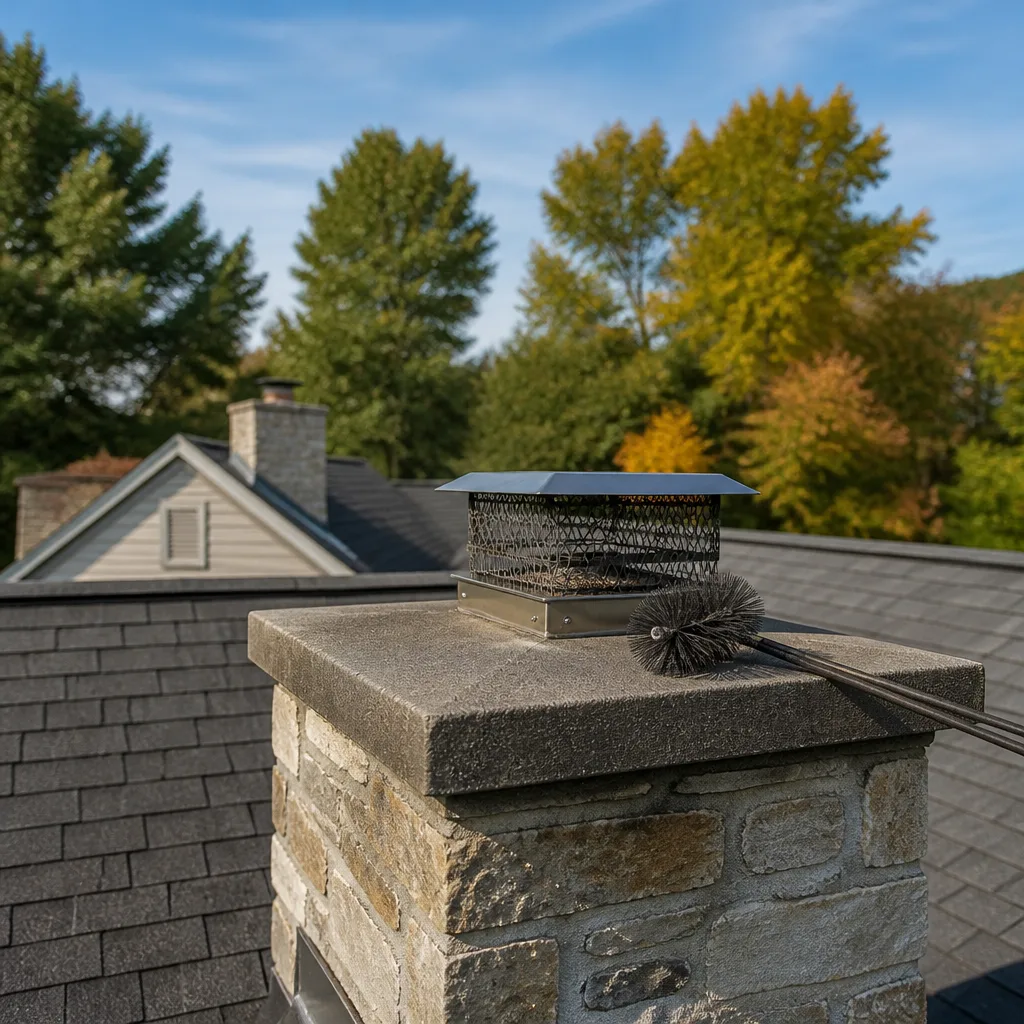 Sweep & inspection
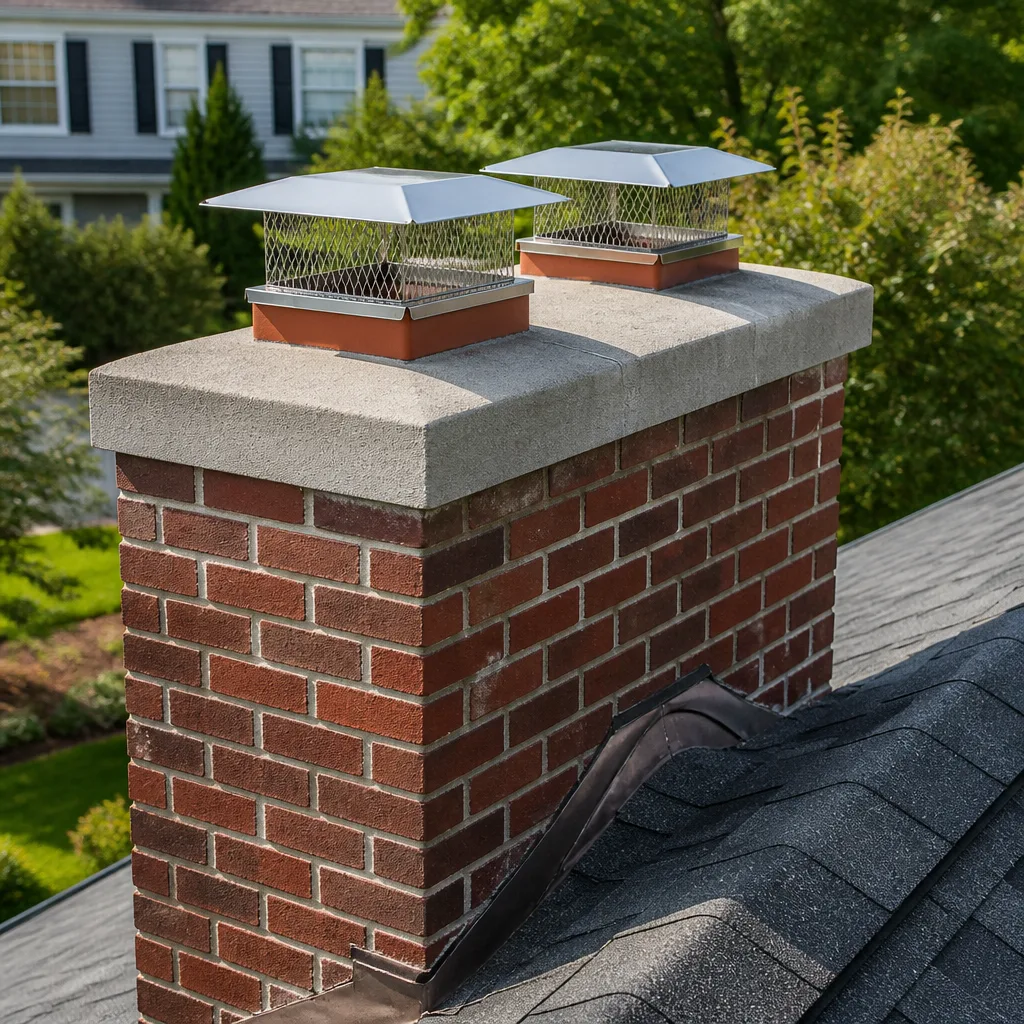 Caps & crowns
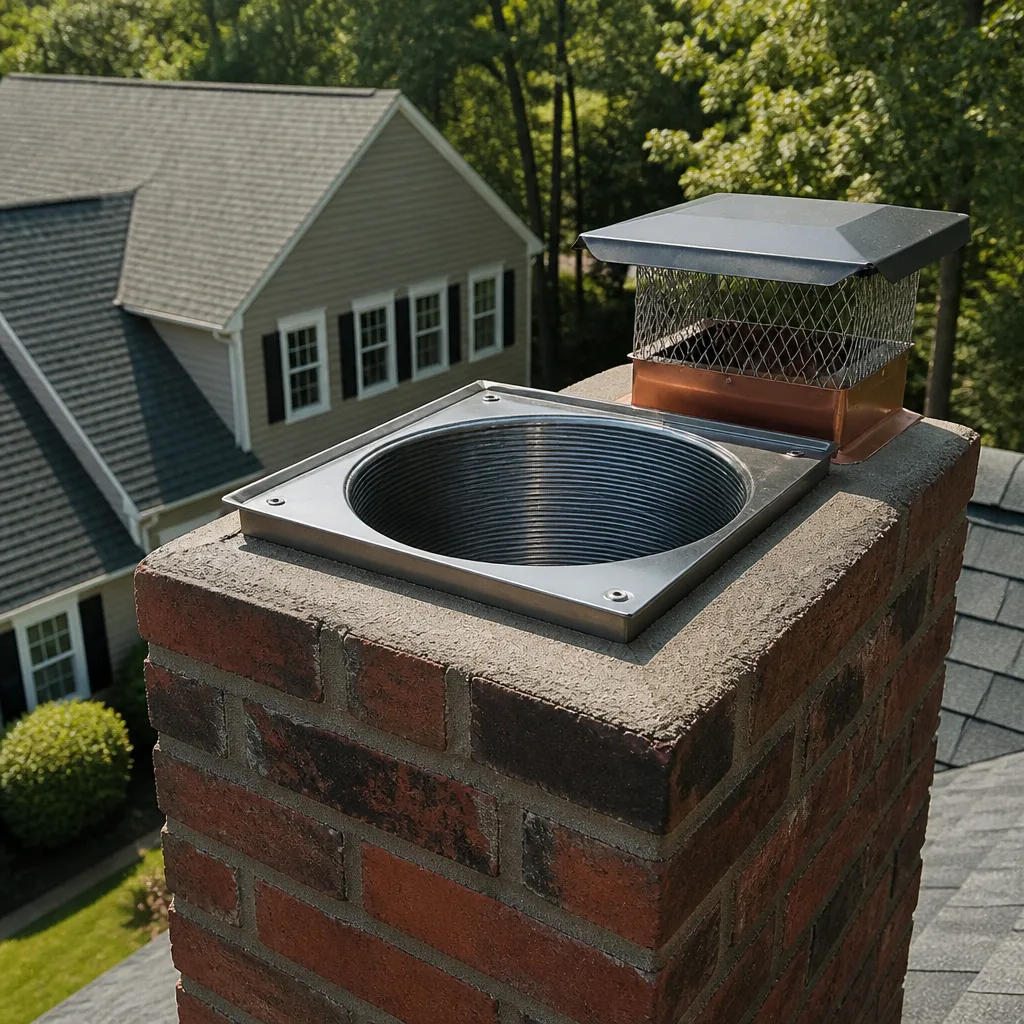 Flue relining
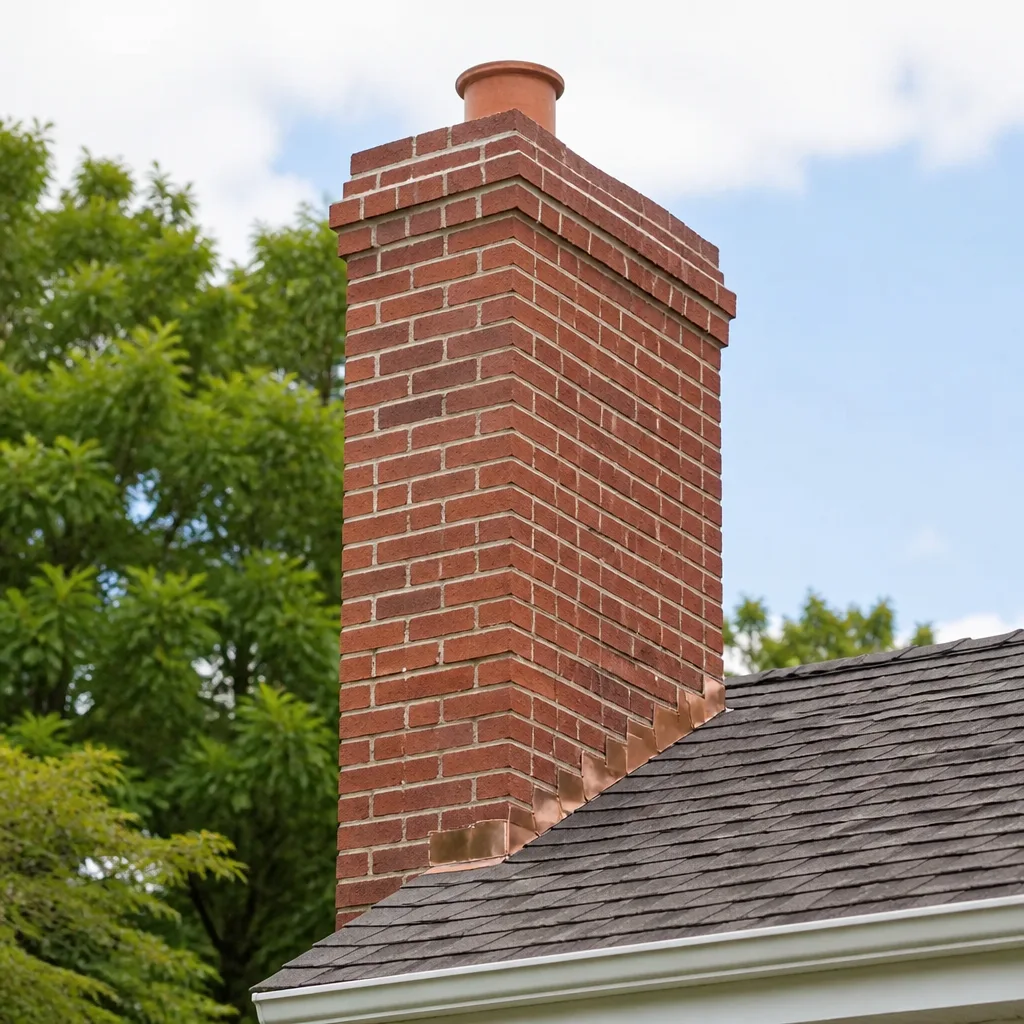 Masonry repair
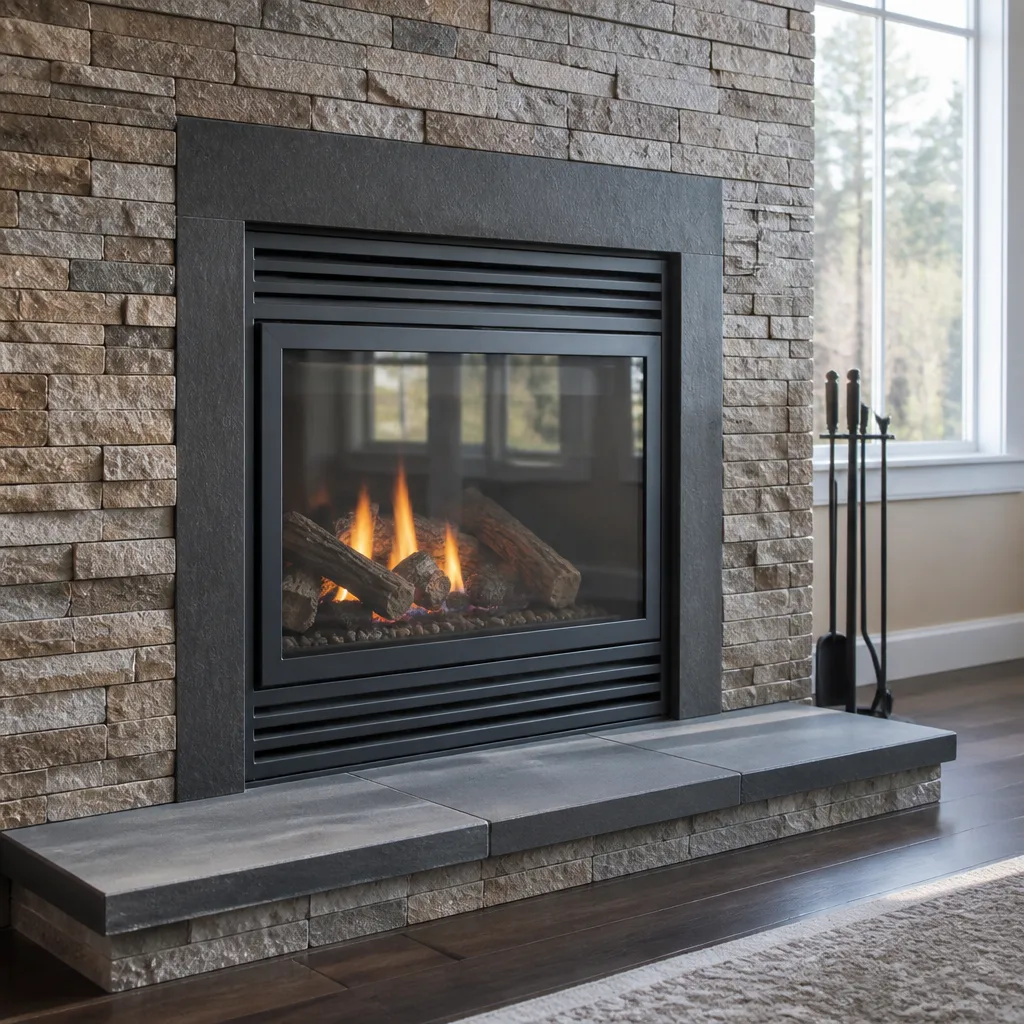 Gas fireplace service
Level 1 sweep and inspection to the NFPA 211 annual standard - flue, crown, cap, and flashing checked and photographed
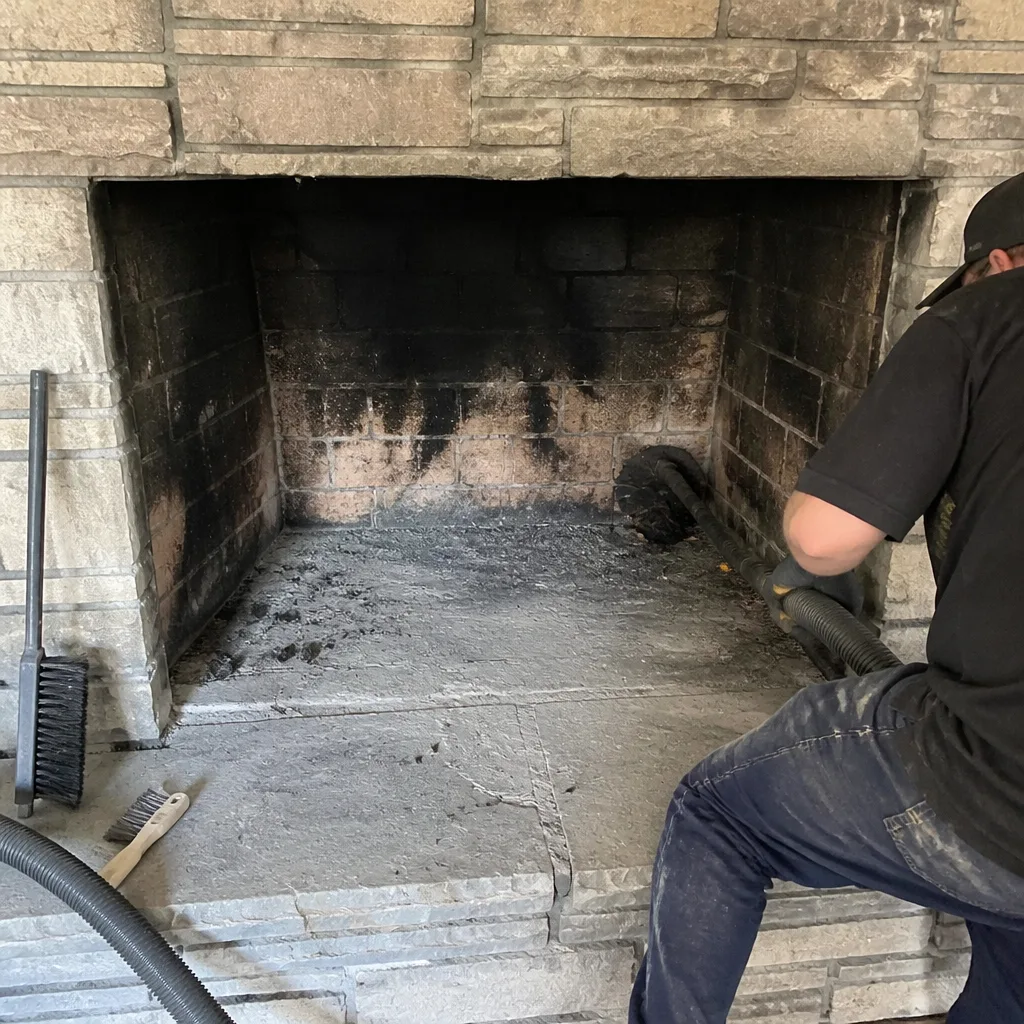
Chimney sweep logs do not sweep chimneys. They loosen some creosote - which then falls where a brush and vacuum still have to collect it.
How to Hire a Chimney Cleaning Contractor in Knoxville: A Step-by-Step Guide
Knoxville has no shortage of people who will clean your chimney for $99. The problem isn’t the price. It’s that the same crew often can’t tell you what they found up there, because they aren’t equipped to look past the smoke shelf. A sweep-only operation cleans what it can reach and hands you a receipt. A full-service chimney company inspects the whole system, documents the condition, and either fixes what it finds or explains plainly why it can wait. This guide walks you through the exact questions, documents and red flags that separate the two, so you know what you’re hiring before anyone climbs on your roof.
Quick Answer
To hire a chimney cleaning contractor in Knoxville, verify three things before you book: that the company carries general liability insurance and can show you a written scope of work before the visit, that it performs inspection as a standalone documented service rather than a sales pitch, and that it can handle repairs from the cap down to the firebox in-house instead of subcontracting them. Ask what professional-grade liner and resurfacing materials they install, and get the price in writing rather than over the phone. A crew that sweeps but can’t reline, cap, crown or document is not a chimney contractor. It’s a cleaning service.
Styles & brands we work with
- Sweep & inspection
- Caps & crowns
- Flue relining
- Masonry repair
- Gas fireplace service
Table of Contents
- Why “Check for Certification and Read Reviews” Isn’t Enough in Knoxville
- The Five Interview Questions That Expose Capability Gaps
- What Licensing Actually Applies to Chimney Work in Tennessee?
- Why a Written Scope of Work Beats a Certificate on the Wall
- How to Verify a Contractor Uses Recognized Product Lines
- What a Real Level 2 Inspection Includes (and What an Upsell Looks Like)
- Step-by-Step: The Hiring Process From First Call to Signed Estimate
- How Chimney Cleaning and Repair Pricing Works in Knoxville
Why “Check for Certification and Read Reviews” Isn’t Enough in Knoxville
The standard hiring advice tells you to look for CSIA certification and read online reviews. That advice isn’t wrong, but it’s incomplete, and in Knoxville it leaves a big gap. Certification tells you a technician passed a knowledge test. Reviews tell you other people had a pleasant experience. Neither tells you whether the company you’re calling can actually fix the cracked crown they’re about to find, or whether they’ll hand you a business card for “a guy” who does that part.
Knoxville’s housing stock makes this distinction matter more than it might elsewhere. The city and surrounding areas have a large share of older homes, and older masonry chimneys develop the kinds of problems a sweep-only crew is not set up to solve: deteriorated mortar joints, spalling brick, cracked crowns, and flues that were built for a different era of heating. When a crew that only cleans finds one of those issues, the visit ends with a recommendation and a phone number that isn’t theirs.
That handoff is the moment homeowners lose control of the project. The original company takes no responsibility for the repair. The repair contractor has no relationship with you and no reason to match the first company’s assessment. You end up coordinating two trades on a job that should have been handled by one, and if something goes wrong later, each side points at the other.
A full-service chimney specialist works the whole system. That means a chimney sweep that includes an honest look at the flue, and the ability to reline, resurface, cap and repair without sending you to a second company. This guide focuses on the questions that expose that difference before anyone shows up at your door. Knoxville homeowners preparing for burning season deserve to know what they’re buying.
The Five Interview Questions That Expose Capability Gaps
You don’t need a technical background to tell a full-service chimney company from a seasonal sweep crew. You need five questions, asked on the phone before you book. The answers will sort most companies into one category or the other in under five minutes.
- “Do you perform inspection as a standalone service, with a written condition report?” A full-service company says yes and explains what’s in the report. A sweep-only crew says the inspection is “included” and describes it as a quick look with a flashlight.
- “What liner materials do you install, and which manufacturer?” A capable company names specific product lines, like DuraFlex flexible liner systems, and can explain why one grade fits your flue and another doesn’t. A sweep-only crew says they don’t do liners, or “our guy handles that.”
- “Can you resurface a damaged flue without a full rebuild?” This one separates the specialists. HeatShield resurfacing restores a deteriorated flue interior without tearing out the chimney, and a company that offers it has invested in both the material and the training. A crew that only cleans won’t know what you mean.
- “Do you install and repair chimney caps and crowns?” These are the most common sources of water intrusion and animal entry. A full-service company handles them as routine work. A sweep-only crew refers them out.
- “Will I get a written estimate with a defined scope before any work starts?” This is the most important question. A written scope protects you from a verbal quote that grows once the work begins. If a company hesitates here, stop.
Ask all five. The pattern of answers matters more than any single one. A company that answers four out of five has a gap somewhere, and that gap is where your project will stall. In our experience, the questions also reveal how a company thinks about its own limits, which is itself a sign of professionalism.
What Licensing Actually Applies to Chimney Work in Tennessee?
Tennessee does not issue a specific chimney-sweep or chimney-contractor license. That surprises most homeowners, and it’s why the certification conversation matters but isn’t the whole story. Chimney work falls under general contractor rules for structural and masonry work, which means the company you hire should carry general liability insurance and be able to show proof of it, and any crew doing structural repair should be working under an appropriately licensed general contractor. Ask for the certificate of insurance before the visit, not after. If a company can’t produce one, that tells you everything.
CSIA certification is the industry credential most homeowners hear about, and it’s worth having. A CSIA-certified sweep has passed a proctored exam and commits to a code of ethics. But certification is a floor, not a ceiling. It certifies a person’s knowledge of sweeping and inspection. It does not certify that the company installs liners, performs HeatShield resurfacing, or has the equipment and supply relationships to handle a structural repair. A certified sweep who works alone in a pickup truck is still a sweep-only operation.
Here’s how to think about credentials in Knoxville:
- Insurance first. General liability coverage is the non-negotiable baseline. Request the certificate before booking.
- CSIA certification as a starting point. It confirms baseline competence in sweeping and inspection. Treat it as the entry requirement, not the finish line.
- Manufacturer training as the next tier. Companies that install DuraFlex liners or HeatShield resurfacing have been trained on those specific systems. Ask which ones they’re trained on.
- Written scope as the real test. A clear, itemized scope of work tells you more about a company than any certificate. It shows they know what they’re doing and are willing to stand behind it.
For a deeper look at what a proper sweep involves, our Knoxville Chimney Sweep overview covers the service from cap to firebox. But the hiring decision starts here, with insurance and scope, not with a logo on a website.
Why a Written Scope of Work Beats a Certificate on the Wall
A written scope of work is the single most useful document you’ll get from a chimney contractor. It should list, in plain language, exactly what will be done, what materials will be used, what the price is, and what won’t be touched. If a company quotes you a number over the phone for “a cleaning and inspection,” that’s not a scope. It’s a guess, and you’ll be the one absorbing the difference when the guess turns out low.
Here’s what a legitimate written scope includes for a chimney sweep in Knoxville:
- The specific services to be performed: sweeping, Level 1 or Level 2 inspection, cap check, crown check, damper check.
- The materials to be used, by product line if a repair is involved.
- A line-item price that matches the services listed.
- What happens if the inspection reveals a problem that needs repair. Will you get a separate estimate? Will the sweep stop and consult you first?
- Whether the company disposes of debris and cleans the firebox and hearth area afterward.
The last point matters. A sweep that leaves soot on your hearth and dust on your furniture isn’t finished. Ask what cleanup is included. Ask, too, whether you’ll receive photos of the flue interior. A company that documents its work with photos is showing you what it found, which is the whole point of an inspection.
When you get the written scope, read it against what the person on the phone told you. If the verbal quote was “around $200” and the scope says $340 with a note that a liner may be needed, ask why. Good companies welcome that question. Bad ones get defensive. The written scope is also your protection if the job goes sideways: it’s the document you point to.
How to Verify a Contractor Uses Recognized Product Lines
Chimney repair materials fall into two categories: recognized product lines with published performance data, and proprietary materials with no independent testing behind them. You want the first kind. A company that installs DuraFlex flexible liners, HeatShield resurfacing systems, and products from supply lines like Copperfield or Gelco is working with materials that have a track record. A company that offers “our own liner system” or “a proprietary coating” is asking you to trust them with no way to check.
Here’s how to verify what a company actually installs:
- Ask for the product name and manufacturer. Not “a stainless liner” but the specific product line. Write it down.
- Ask why that product fits your chimney. DuraFlex comes in different grades for different applications. A good company explains the match. A bad one gives you a single option.
- Ask about warranties. Manufacturer warranties on liners and resurfacing systems vary, and a company that knows its products will know the terms. Don’t accept “it’s covered” without specifics.
- Ask what happens if the product fails. Who stands behind it, and for how long?
- Check the company against the product. Manufacturers of professional-grade systems often list trained installers. If a company claims to install HeatShield but can’t tell you anything about the system, that’s a gap.
The multi-brand approach matters too. A company that works across several supply lines, like Copperfield, Gelco, Olympia Chimney and Famco, can match the material to the job instead of forcing one product into every chimney. That flexibility is a sign of depth. If a company only offers one liner brand and one coating, ask why. Sometimes there’s a good answer. Often there isn’t.
We install DuraFlex and HeatShield because both have documented performance and clear applications. That’s not a sales pitch; it’s how we decide what goes into a chimney. You should expect the same reasoning from anyone you hire. For context on how caps and crowns fit into the material conversation, our page on chimney cap & crown work explains the products involved and why the right cap matters for water intrusion.
What a Real Level 2 Inspection Includes (and What an Upsell Looks Like)
A Level 2 inspection is a documented, comprehensive assessment of the chimney’s accessible interior and exterior, typically required when a property changes hands, after a chimney fire or earthquake, or when a change in fuel type or appliance has occurred. It’s also the right inspection when you simply don’t know the condition of your chimney and want a baseline. It includes a video scan of the flue, a check of the accessible portions of the chimney exterior and interior, and a written report of findings. That’s the standard. Anything less is not a Level 2.
An upsell disguised as an inspection looks different. It typically involves a technician who arrives, takes a quick look from the firebox, and announces that the flue is “dangerous” and needs a full reline, often with a price quoted on the spot and pressure to sign. No video scan. No written report. No photos. Just a verdict and a number.
Here’s what to check to tell the difference:
- Did you see the video? A Level 2 includes a camera scan, and a legitimate company shows or sends you the footage. If you never saw inside your flue, you can’t verify the recommendation.
- Did you get a written report? A real inspection produces a document listing what was checked, what was found, and what condition each component is in.
- Was the recommendation proportional? A minor crack in the crown doesn’t require a full reline. A legitimate company separates urgent safety issues from maintenance items and tells you which is which.
- Were you given the option to wait? Some repairs can safely wait a season. A company that says everything must be done immediately, with no documentation, is selling, not inspecting.
- Did the price come before or after the evidence? Evidence first, then price. Always.
A documented inspection report is also useful beyond the immediate decision. It can support an insurance claim, satisfy a real estate transaction, and give you a baseline to compare against in future years. We treat inspection as a standalone service for exactly that reason: the report belongs to you. A clean sweep is only the beginning; the inspection is what tells you what you actually have. If your inspection turns up damage to the firebox or damper assembly, our fireplace repair service covers that scope, and it’s handled by the same company that did the inspection.
Step-by-Step: The Hiring Process From First Call to Signed Estimate
Here’s the full process, in order. Most of it happens before the technician arrives, and that’s the point.
- Gather your information. Know your chimney type (masonry or prefab), what you burn (wood, gas, or both), and when it was last serviced. If you have a home inspection report that flagged the chimney, have it ready.
- Call two or three companies and ask the five interview questions. Take notes. Compare answers. This is the single most valuable hour you’ll spend on the project.
- Request proof of insurance. Ask for the certificate of general liability coverage. A legitimate company sends it without hesitation.
- Ask what inspection level they recommend and why. A yearly sweep usually calls for a Level 1. A new home, a recent concern, or a change in your system calls for a Level 2. The company should explain the difference.
- Get a written scope and estimate before the visit. This should list services, materials, and a line-item price. Read it carefully and ask about anything unclear.
- Confirm what happens if the inspection finds a problem. You want to know in advance whether the technician will stop and consult you, or proceed and bill you later.
- Book the sweep or inspection. Ask what cleanup is included and whether you’ll receive a photo report.
- Review the report when it arrives. Compare it against the scope. If a repair is recommended, ask for the evidence: photos, video, or both. Then ask what happens if you wait a season.
That last question is the one most homeowners never ask, and it’s the one that reveals the most. A company that can tell you which repairs are urgent and which can wait is a company that’s actually inspecting. A company that says everything is urgent is selling. In Knoxville, where many chimneys are older and have been through decades of freeze-thaw cycles, the honest answer is often “this can wait until spring.” A good contractor will tell you that.
How Chimney Cleaning and Repair Pricing Works in Knoxville
Chimney work is priced per job, by written estimate. We don’t publish flat rates because the variables are real: chimney height, flue condition, access, the number of flues, and whether a repair is involved. But you should understand the structure before you call, so you can tell a reasonable estimate from an outlier.
A standard sweep and Level 1 inspection is typically quoted as a single line item. A Level 2 inspection, which includes the video scan and written report, is usually priced separately because it takes longer and produces a document. Repairs like cap replacement, crown repair, relining, or HeatShield resurfacing are quoted individually after the inspection reveals what’s needed. If a company gives you a repair price before the inspection, ask how they arrived at it.
What to expect from a legitimate estimate:
- A line-item breakdown, not a lump sum.
- Separate pricing for inspection, sweeping, and any repair.
- Materials named by product line, not described vaguely.
- A clear statement of what’s included in cleanup and disposal.
- No pressure to decide on the spot.
Watch for estimates that bundle everything into one number with no breakdown. That structure makes it impossible to compare companies or to verify what you’re paying for. Also watch for a very low sweep price paired with a very high repair recommendation. The low sweep is the hook; the repair is the business model. Not every company that quotes low is running that play, but the pattern is common enough that it’s worth asking about. Our team works with professional-grade materials and quotes each job on its own scope, and we’re glad to walk you through how that estimate is built. To start that conversation, call (844) 542-3766. We answer 24/7. Fast dispatch from 7am to 7pm, Sunday through Friday.
Common Mistakes to Avoid
- Hiring on price alone. A very low sweep price often signals a crew that plans to make its money on a repair recommendation you can’t verify. Ask for the scope before you compare numbers.
- Skipping the insurance check. Tennessee doesn’t issue a chimney-specific license, so insurance is your main protection. If a company won’t send a certificate, walk away.
- Accepting a repair quote without seeing the evidence. Ask for photos or video of the flue. If the company can’t produce them, you have no way to know whether the repair is necessary. This is especially important in Knoxville’s older homes, where a deteriorated flue is common but a full reline isn’t always the answer.
- Confusing a sweep with an inspection. A sweep cleans. An inspection documents. If you’re buying a home in Knoxville or following up on a home inspection finding, you need the inspection, and it should come with a written report.
- Letting a technician pressure you into a same-day decision on a major repair. A legitimate company gives you a written estimate and time to consider it. Urgency without evidence is a red flag.
- Ignoring the cap and crown. Water intrusion and animal entry are the most common chimney problems in Knoxville, and both start at the top. If a company doesn’t check the cap and crown, it hasn’t finished the job.
- Booking a company that subcontracts repairs. If the sweep finds a problem and hands you someone else’s number, you’ve lost the single point of responsibility that makes a full-service company worth hiring.
See the difference
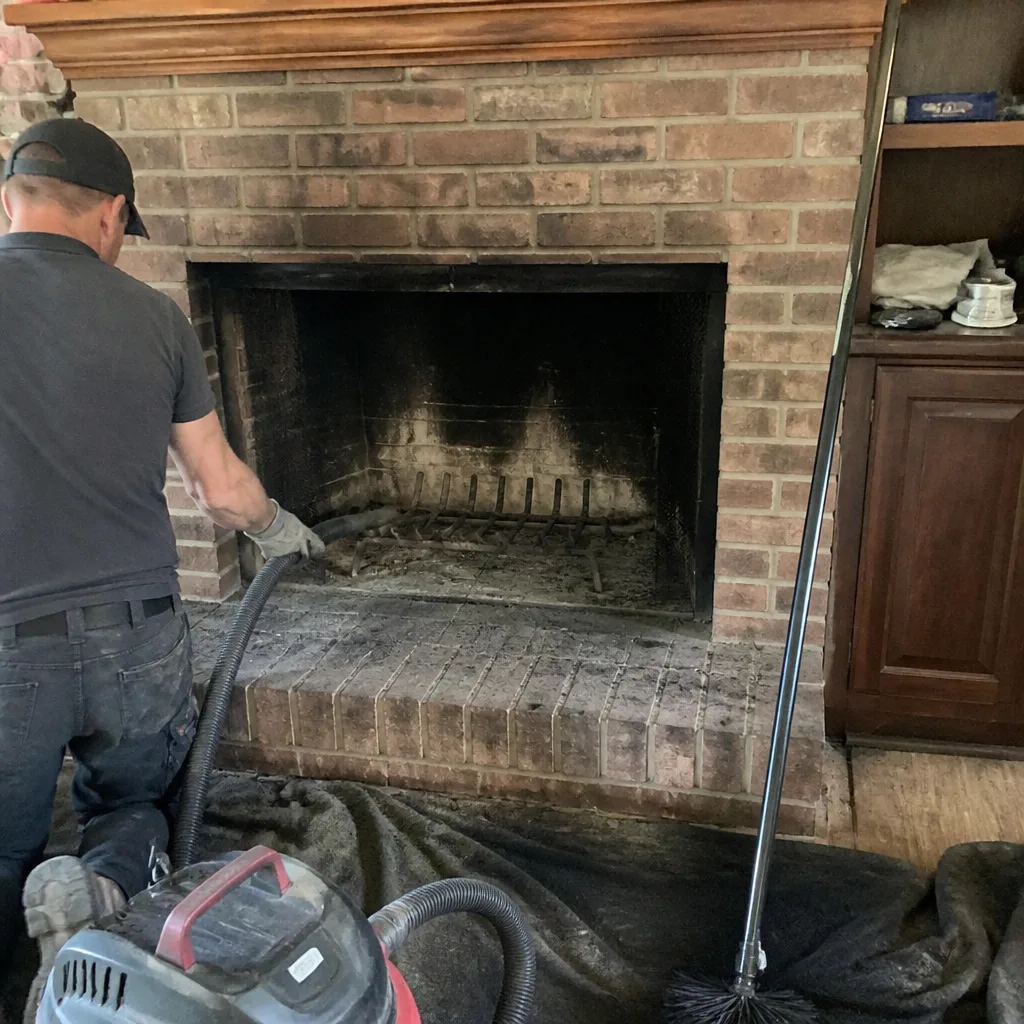 Before
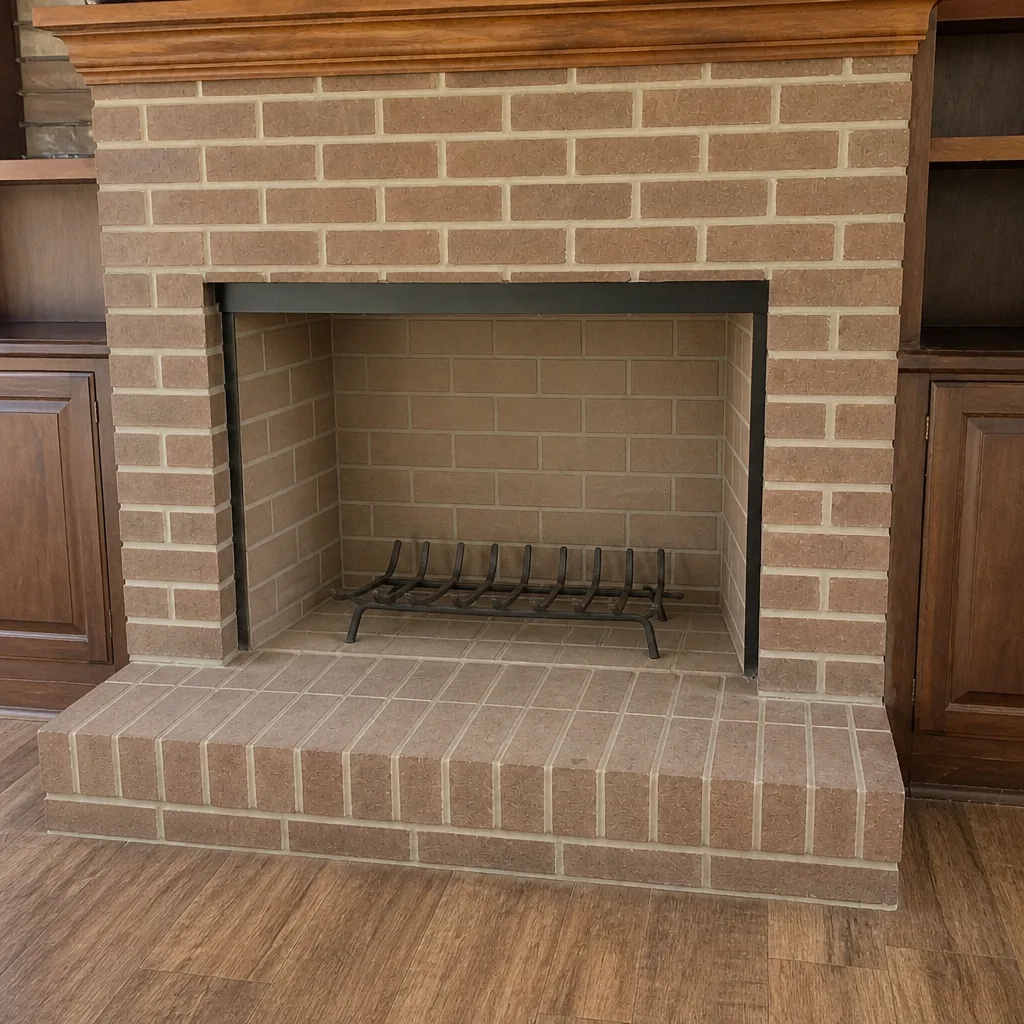 After
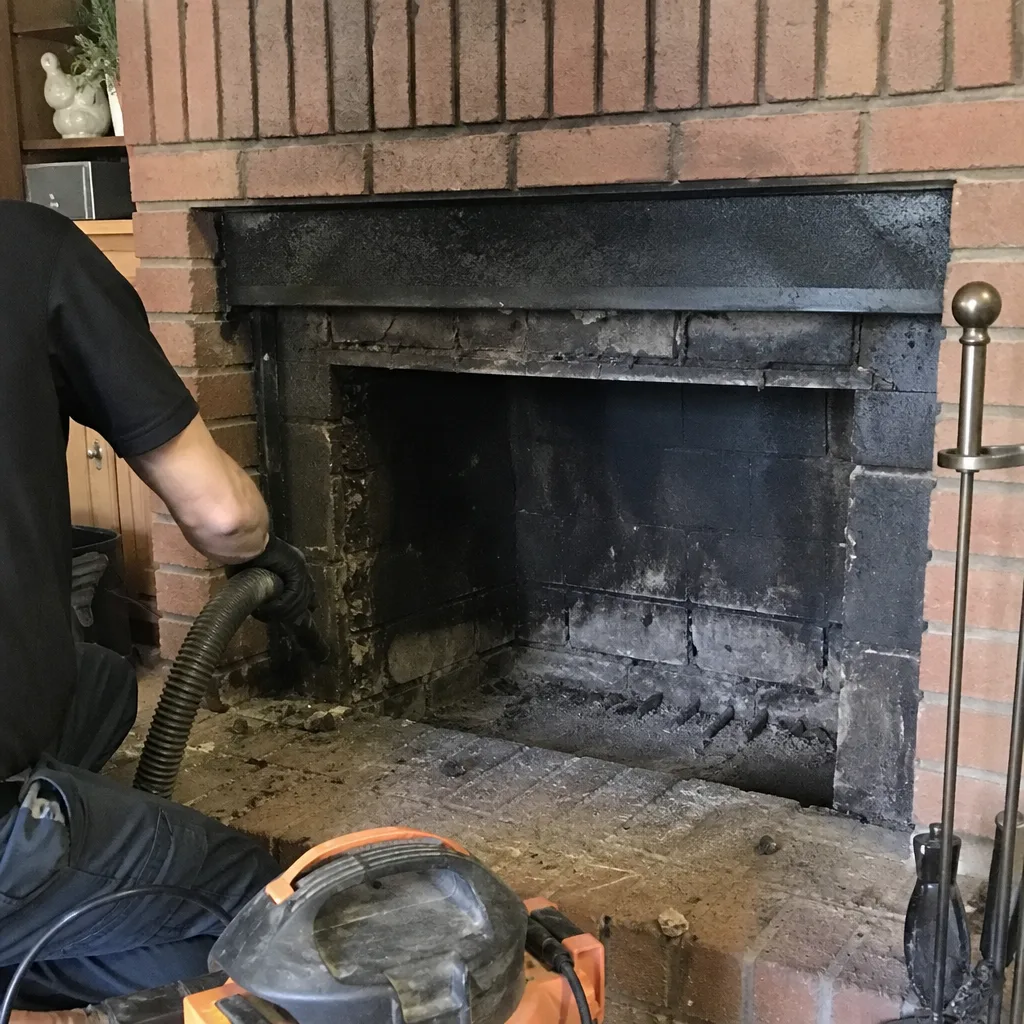 Before
 After
 Before
 After
When to Call a Professional
Some chimney work is a routine appointment. Some of it is a safety matter that shouldn’t wait. Call a professional if you’ve never had the chimney inspected and you burn wood regularly, if you’re buying or selling a home in Knoxville and the inspection flagged the chimney, or if you’ve noticed signs of trouble: a strong creosote smell, smoke backing into the room, water stains on the ceiling near the chimney, or visible damage to the crown or cap. Call before your first fire of the season if the chimney hasn’t been swept in a year of regular use. And call immediately if you suspect a chimney fire has occurred, even if it went out on its own, because the flue may be damaged in ways you can’t see. Knoxville Chimney Sweep offers free estimates in Knoxville. Call (844) 542-3766. We answer 24/7. Fast dispatch from 7am to 7pm, Sunday through Friday.
Frequently Asked Questions
A chimney sweep in Knoxville is typically quoted as a line item in a written estimate, and the price depends on chimney height, flue condition, access, and whether an inspection is included. We don’t publish a flat rate because the variables are real, and the written estimate sets the final price. Call (844) 542-3766 for an exact quote; estimates are free.
Not always, and you shouldn’t accept that recommendation without seeing the evidence. A liner is needed when the existing flue is cracked, deteriorated, incorrectly sized for the appliance, or unlined in a way that creates a hazard. A legitimate company shows you the video scan and explains why a liner is the right fix and why resurfacing or repair won’t work. If no one showed you the inside of your flue, ask to see it before you decide. Call (844) 542-3766 for a documented inspection and a straight answer.
The general rule is once a year for a chimney in regular use, and more often if you burn a lot of wood or notice creosote buildup. The sweep should include an inspection, not just a cleaning, so you know the condition of the flue, cap, crown and damper. In Knoxville, where burning season runs through the colder months, late summer and early fall are good times to book before the first fire. Call (844) 542-3766 to schedule.
Creosote accumulates in the flue with every fire, and at certain levels it becomes flammable, which raises the risk of a chimney fire. A blocked or deteriorated flue can also allow carbon monoxide to enter the home instead of venting outside. These are real hazards, not scare tactics, and a yearly sweep and inspection is how you catch them early. If it’s been more than a year, call (844) 542-3766 for an inspection; estimates are free.
No. Tennessee doesn’t license chimney sweeps, and CSIA certification is voluntary. It’s a useful signal of baseline competence in sweeping and inspection, but it doesn’t tell you whether the company can reline, resurface, cap or repair. Treat certification as a floor and verify insurance and written scope separately. Call (844) 542-3766 to ask what our team is trained on.
We don’t recommend it for anything beyond light surface cleaning you can safely reach from the firebox. The flue interior, the cap, the crown, and the roof itself involve real fall and respiratory hazards, and a DIY cleaning won’t produce the inspection you need to know whether the chimney is safe. A professional sweep includes a documented condition check that a brush on a rod can’t give you. If you’re unsure of your chimney’s condition, call (844) 542-3766 for an assessment first.
The Bottom Line
The best chimney contractor in Knoxville isn’t the one with the lowest price or the biggest logo. It’s the one that asks to see the inside of your flue before making a recommendation, gives you a written scope and a documented report, carries insurance, and can handle the repair itself instead of handing you a phone number. Ask the five questions, request the certificate, and insist on evidence for every repair. Our technicians have up to 11 years of experience, and we work from the cap to the firebox with professional-grade materials like DuraFlex and HeatShield. Our team is glad to walk you through any of this. To schedule a sweep or an inspection, call (844) 542-3766 for a free estimate. We answer 24/7. Fast dispatch from 7am to 7pm, Sunday through Friday.
Written by the team at Knoxville Chimney Sweep.