
Last updated November 25, 2026
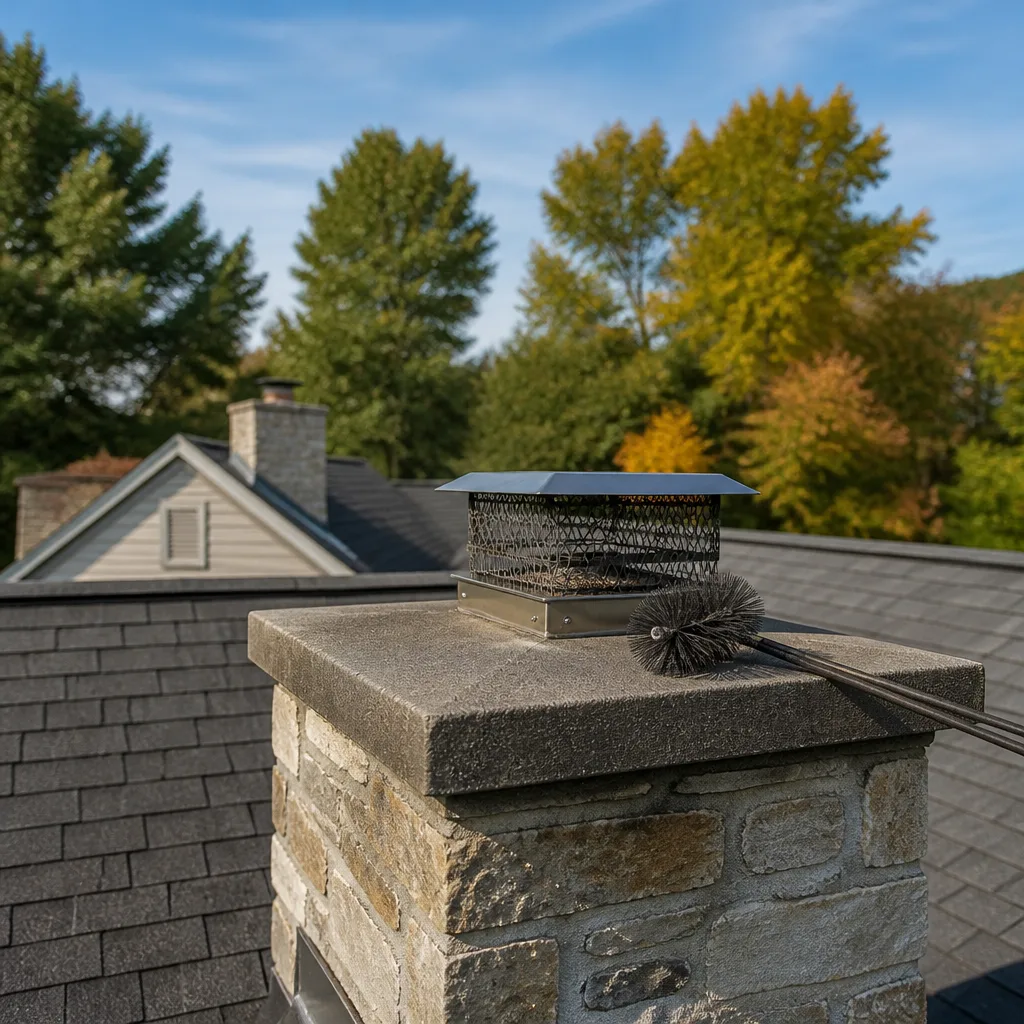 Sweep & inspection
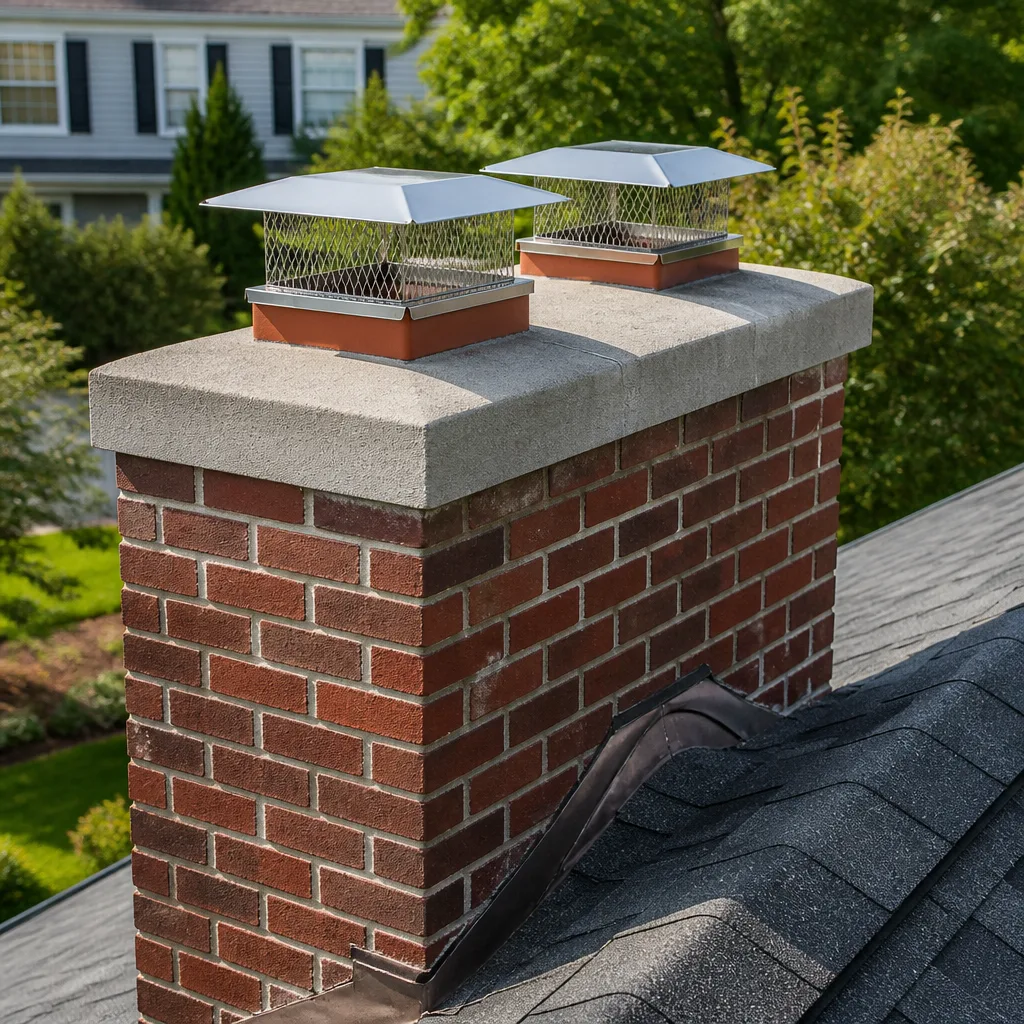 Caps & crowns
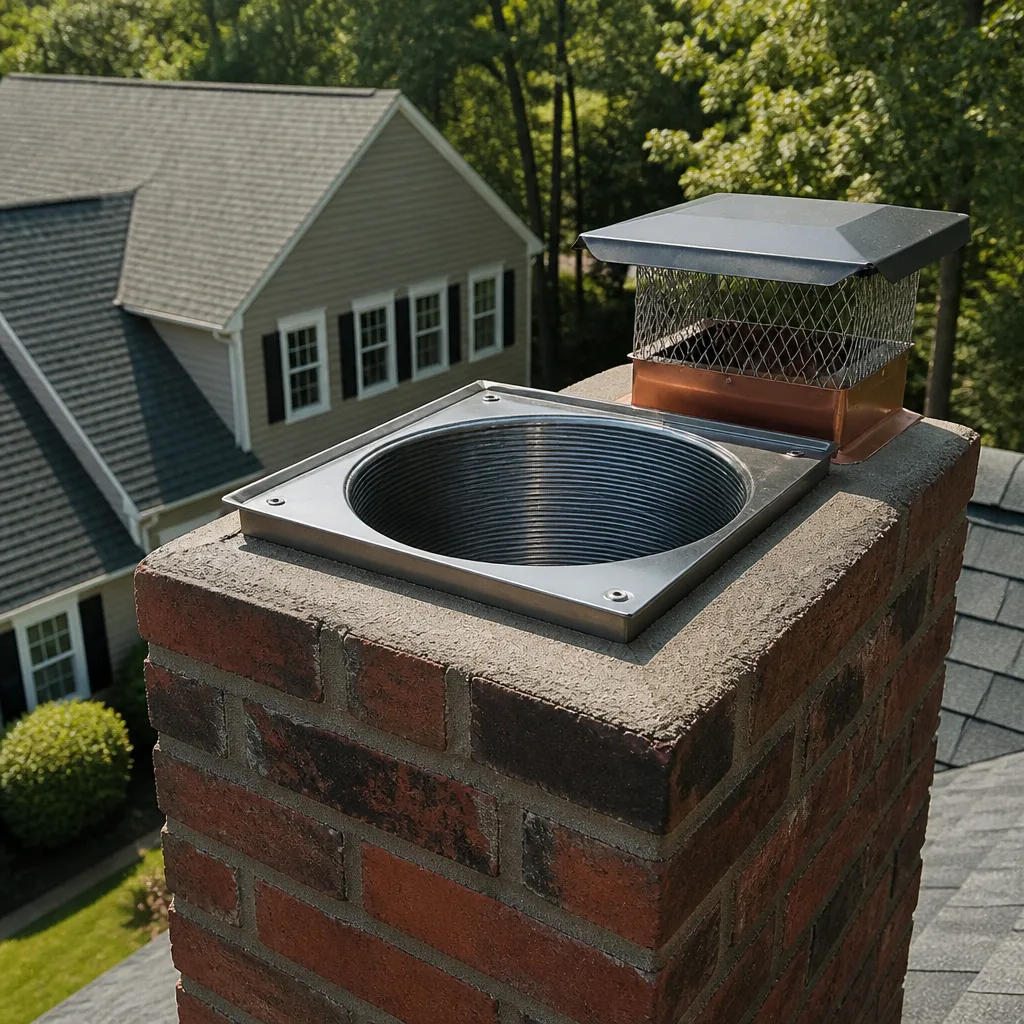 Flue relining
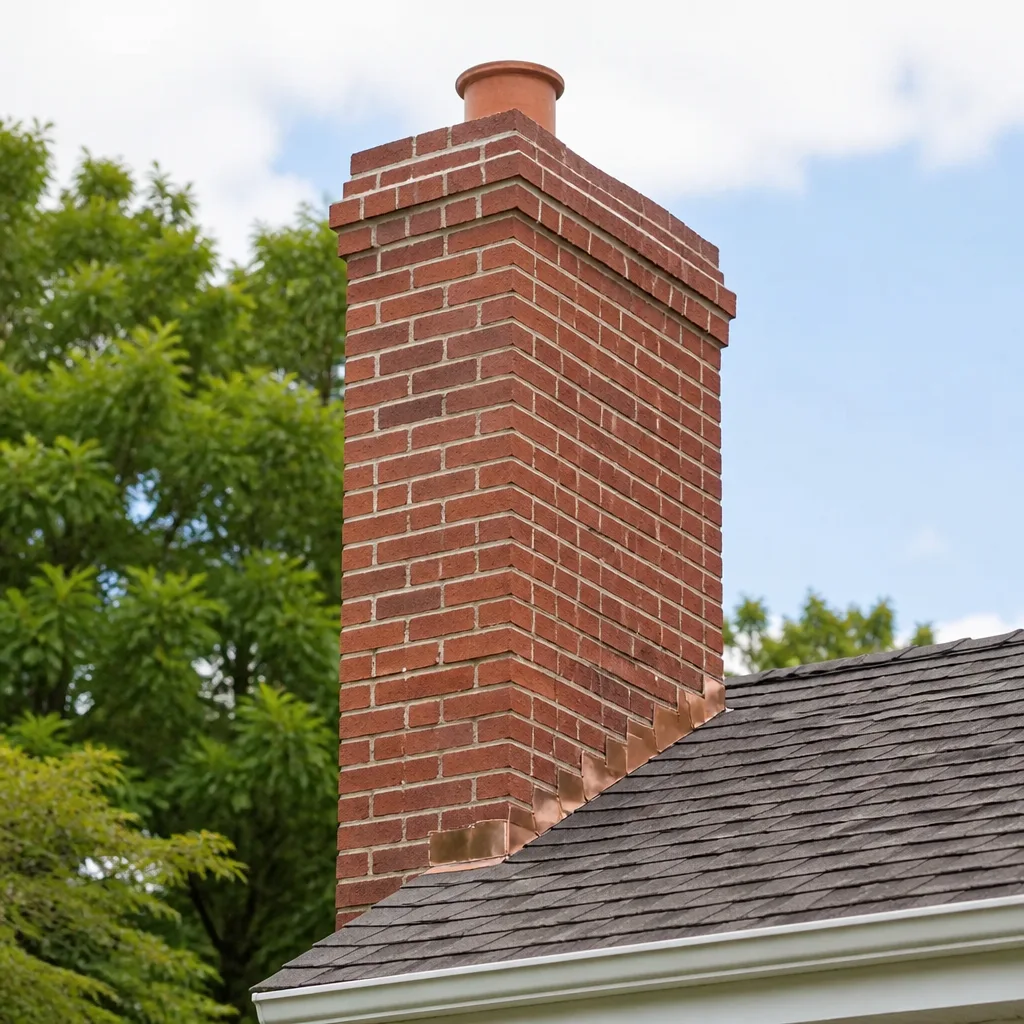 Masonry repair
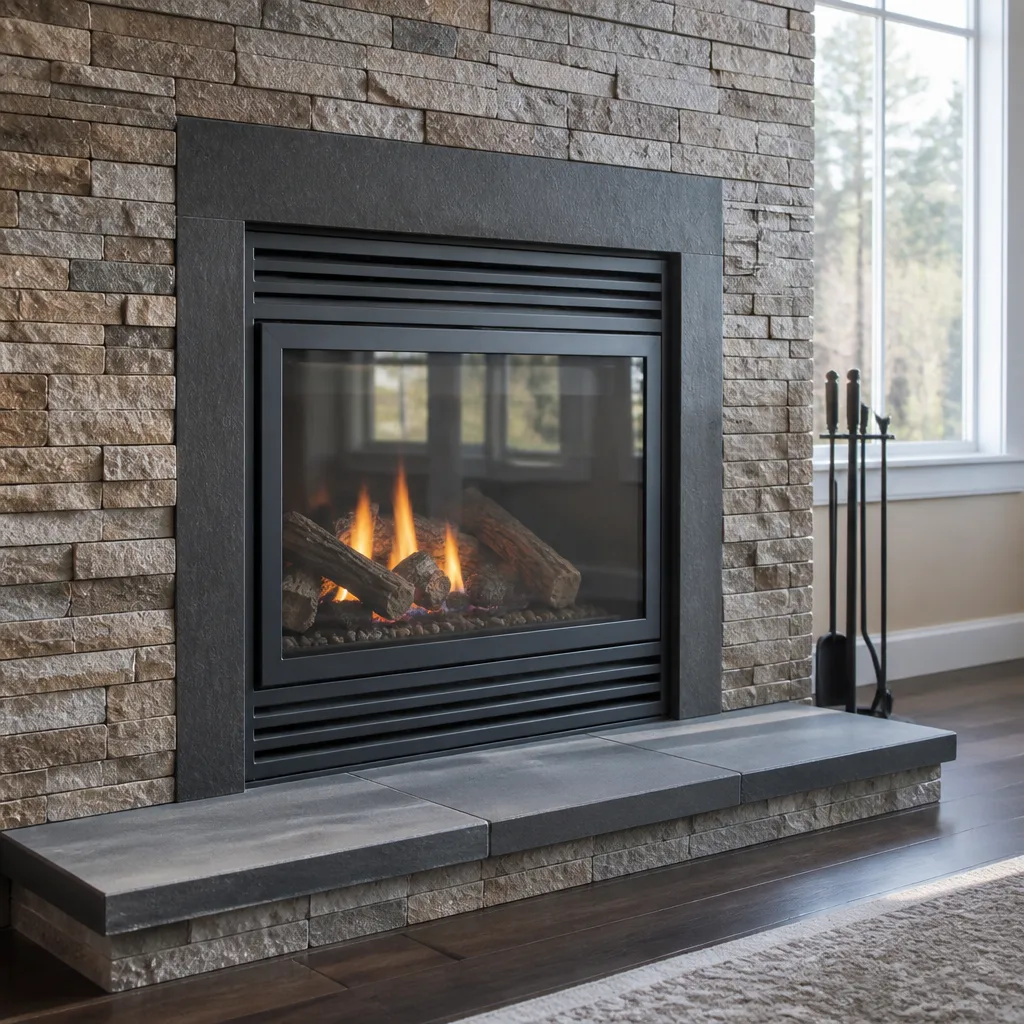 Gas fireplace service
Level 1 sweep and inspection to the NFPA 211 annual standard - flue, crown, cap, and flashing checked and photographed
Chimney sweep logs do not sweep chimneys. They loosen some creosote - which then falls where a brush and vacuum still have to collect it.
Choosing the Right Chimney Cleaning Brand: A Buyer’s Guide for Knoxville
Most homeowners in Knoxville never think about the brands behind a chimney sweep. That’s the industry’s visibility problem. Unlike HVAC or roofing, the materials used inside a flue leave no fingerprints a living-room observer can read, so a tube of hardware-store furnace cement and a professionally applied resurfacing system can look identical at the point of sale. This guide changes that. We’ll show you how to read a chimney company’s material choices as a credential, explain what HeatShield and DuraFlex actually are, walk through the CSIA and NFI credential systems plainly, and give you the exact questions to ask before you book a cleaning.
Quick Answer
The right chimney cleaning brand in Knoxville is the company that can name and explain the professional-grade material systems it installs, not just the one with the best ads. Look for HeatShield resurfacing capability, DuraFlex stainless liner systems, and technicians trained to inspect and repair, not only sweep. If a chimney company can’t name the product lines it’s authorized to install, that tells you something important about the scope of its work.
Styles & brands we work with
- Sweep & inspection
- Caps & crowns
- Flue relining
- Masonry repair
- Gas fireplace service
Table of Contents
- Why Chimney Materials Are the Clearest Credential
- What HeatShield Is and Why Its Use Signals Real Training
- DuraFlex Stainless Liner Systems: What Makes Them Contractor-Grade
- How to Ask a Knoxville Chimney Company Which Product Lines They Install
- The CSIA and NFI Credential System Explained Plainly
- Knoxville’s Climate and What It Does to Chimneys
- Why Explaining Product Choices Is a Trust Signal
- From the Cap to the Firebox: Reading a Company’s Full Scope
Why Chimney Materials Are the Clearest Credential
Shopping for a chimney company usually means searching something like “chimney cleaning company Knoxville TN best” and then reading reviews. Reviews tell you whether people were happy, but they don’t tell you what’s possible inside a flue. The material systems a company works with do. A sweep-only operation carries a brush, a vacuum, and a flashlight. A full-scope specialist carries access to engineered repair products, and those products require training, supplier relationships, and equipment a generalist doesn’t maintain.
We’ve watched this play out for years in our own work around Knoxville. A homeowner books a cleaning, the technician opens up the smoke chamber, and what’s behind it needs far more than a sweep. If the company on site can’t resurface or reline, the homeowner starts over with a second call, a second estimate, and a second set of questions. When the company can move from cleaning to structural repair under one roof, the job stays coherent.
Think of it this way: brand names in chimney work function like species of lumber in carpentry. Someone who knows the difference between products and can choose between them for your specific chimney has depth. Someone who has only ever used one thing uses that one thing on every job.
A useful first question on any call to a Knoxville Chimney Sweep provider or any other company is simply: which professional-grade product lines are you set up to install? The answer is diagnostic.
What HeatShield Is and Why Its Use Signals Real Training
HeatShield is a ceramic-based resurfacing system used to repair damaged chimney interiors, especially the smoke chamber and flue, without tearing the chimney down. It’s applied as a troweled or sprayed coating that restores a smooth, sealed surface over deteriorated masonry. Its use signals that a technician has been trained in smoke chamber geometry and flue repair, not just brush work.
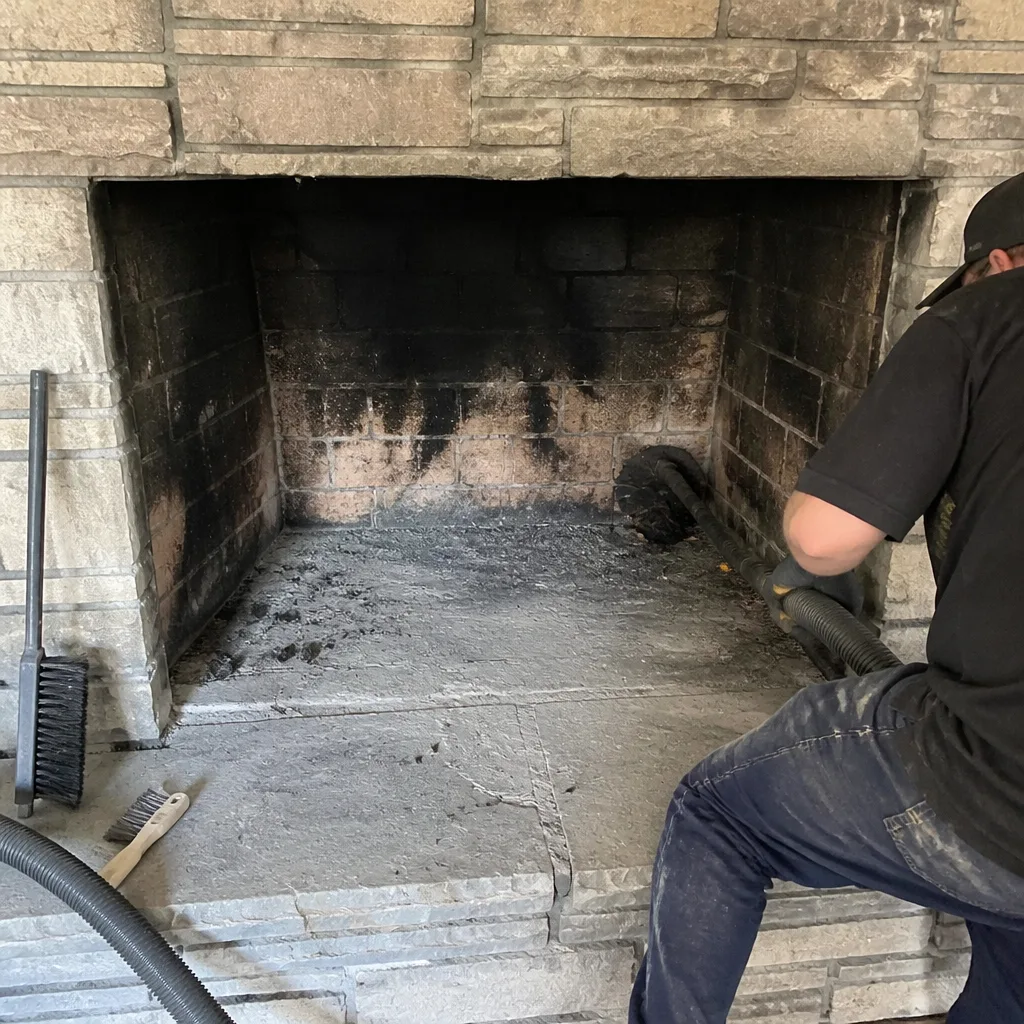
The smoke chamber is the tapered section just above the damper, and it’s where a lot of chimney problems hide. Rough, corrugated masonry in that area traps creosote and slows draft. A cleaning removes what’s on the surface. A resurfacing system changes the surface itself.
For Knoxville homeowners, this matters because the region’s mix of older masonry chimneys and humid summers leaves plenty of smoke chambers that have spalled and pitted over time. Repointing the outside of a chimney does nothing for that interior problem. HeatShield does.
What to understand about how it works:
- It’s a repair method, not a patch. The goal is a restored flue surface that can serve for years, not a cosmetic skim coat.
- It requires a properly prepared substrate. The surface is cleaned and evaluated first; applying a resurfacing product over failing masonry without prep is wasted money.
- It can extend flue life without full reconstruction. When the structure is sound but the interior surface is compromised, resurfacing is often the sensible middle path.
- It’s not right for every chimney. A flue with serious structural failure or an improperly sized flue for the appliance may need relining instead.
Ask any company you’re considering whether they apply HeatShield and, more tellingly, ask them to walk you through why they’d choose it over relining or over doing nothing. A technician who has actually done the work will explain the decision. A salesperson will recommend whatever closes the sale.
DuraFlex Stainless Liner Systems: What Makes Them Contractor-Grade
DuraFlex is a flexible stainless steel chimney liner system used to reline flues that are cracked, unlined, improperly sized, or damaged. It’s contractor-grade because the material, wall thickness, and joint design are engineered to withstand flue gas temperatures and corrosive condensate over the long run. Hardware-store flex liner is a different product with a different purpose.
Understanding what makes a liner contractor-grade comes down to a few things:
- Material and alloy. Professional liner systems are built from stainless alloys selected for the appliance and fuel type. The wrong alloy in a wood-burning flue or a gas appliance flue corrodes faster than the right one.
- Wall thickness and construction. The liner’s wall and seam design determine how it handles heat cycling and mechanical stress during installation.
- Sizing to the appliance. A liner that’s too large or too small for the appliance changes how the chimney drafts. Correct sizing is part of the installation, not an afterthought.
- Proper termination and connection. The top and bottom connections are where most reline failures begin. A contractor-grade install includes proper cap termination and a secure appliance connection.
Installation typically involves removing or working around the existing damper, running the liner down the flue, connecting it to the appliance, and terminating it at the top with an appropriate cap. Insulation around the liner is sometimes specified depending on the flue and appliance, and that’s a decision the technician makes on site after inspecting the chimney.
For a Knoxville home with an unlined or clay-tile flue that’s cracked, relining is often the correct fix rather than continuing to burn in a compromised chimney. Our technicians have up to 11 years of experience working with these systems, and we source from professional supply lines including DuraFlex, HeatShield, Famco, and Copperfield so we can match the material to the job rather than forcing one product onto every chimney.
How to Ask a Knoxville Chimney Company Which Product Lines They Install
The single most revealing question you can ask a chimney company in Knoxville is which product lines they’re authorized to install. A company that resurface and relines will name them readily. A company that only sweeps will either not have an answer or will steer the conversation back to the cleaning.
Here’s how to run the conversation so you get a straight answer:
- Start with the scope question. “Do you do relining and resurfacing, or just cleaning?” Note whether the answer is specific or vague.
- Ask them to name the systems. “Which liner and resurfacing brands do you install?” A real answer includes product names and, ideally, why they’d choose one over another for a given chimney.
- Ask what happens if the inspection finds damage. “If you find a cracked flue during the inspection, what are my options?” Listen for a range of options, including doing nothing if the condition allows it.
- Ask for the report. “Will I get the inspection findings in writing, with photos?” A documented condition report is a standard deliverable for a professional inspection.
- Ask what they don’t do. A company that admits the edges of its scope is more trustworthy than one that claims everything.
If a company can’t name any product lines, that’s not automatically a reason to walk away if all you need is a chimney sweep. But it does mean that if the sweep turns up a problem, you’ll be starting the search over. Knowing that in advance lets you decide whether to hire a sweep-only operation or a full-scope company from the start.
Watch for the tell: a company that recommends a repair before it has inspected the chimney is selling, not diagnosing. The recommendation should follow the evidence, never precede it.
The CSIA and NFI Credential System Explained Plainly
The CSIA (Chimney Safety Institute of America) credential is the chimney sweeping industry’s core certification, and it requires passing an exam on sweeping, inspection, and venting fundamentals plus ongoing education to maintain. The NFI (National Fireplace Institute) credential is appliance-focused, covering installation and venting of wood, gas, and pellet appliances. They measure different things.
Here’s the plain version of what each one actually required the holder to learn and demonstrate:
- CSIA Certified Chimney Sweep: the exam covers the science of venting, the behavior of creosote, inspection standards, and safe sweeping practice. Certification is maintained through continuing education, which means a current holder has kept current.
- CSIA Master Chimney Sweep: an advanced tier for sweep professionals who have gone further in the certification path.
- NFI certification: the holder has demonstrated knowledge of how specific appliances vent, which matters when the question is whether your wood insert or gas fireplace is connected correctly.
Neither credential is a substitute for training on a specific product. A technician can hold a CSIA credential and still never have applied a resurfacing system. That’s why the credential question and the product question are both worth asking.
In Knoxville, where a lot of homes have a fireplace that’s been converted, added, or changed over the years, the appliance-to-flue relationship is where a lot of problems originate. A technician with NFI training and a CSIA credential is better positioned to catch a venting mismatch than someone with neither.
Ask for the credential and the product line together. The combination is the signal.
Knoxville’s Climate and What It Does to Chimneys
Knoxville’s climate matters to chimney condition in ways that national checklists miss. Warm, humid summers and a long shoulder season mean masonry holds moisture longer than it would in a drier climate, and that moisture drives spalling and freeze-thaw damage at the crown and the flue’s interior. The result: exterior cracks and interior deterioration that show up faster than a homeowner expects.
What this means practically for a Knoxville chimney:
- Water intrusion is the leading cause of damage we see. A missing or damaged cap lets rain in, and the crown, the masonry, and the flue interior all pay the price over time. A proper chimney cap & crown is the first line of defense.
- Crown cracks matter more here. The crown is the concrete top of the chimney, and it takes the weather. A cracked crown lets water into the masonry below it.
- The interior needs checking, not just the exterior. A chimney can look fine from the driveway and have a spalled smoke chamber.
- Burning season has a start date. Once the weather turns, the chimney is in use. The right time to know what you have is before the first fire of the season, not after symptoms appear.
Knoxville’s tree cover and older housing stock mean a lot of chimneys were built to standards that have since changed. An inspection is how you find out what you actually have. From there, repair decisions follow the evidence: relining with DuraFlex where the flue is compromised, HeatShield resurfacing where the structure is sound but the interior surface isn’t, and fireplace repair where the issue is at the firebox or damper.
Why Explaining Product Choices Is a Trust Signal
A technician who explains product choices is a technician. A person who only recommends them is a salesperson. That distinction is the clearest trust signal in a service call, and it costs you nothing to test.
When we walk a homeowner through what we found, we show the finding first, then the options. If the flue has a cracked clay tile, we explain what a DuraFlex liner does and what HeatShield resurfacing does, and why one fits this chimney and the other doesn’t. We say plainly when work can wait. That’s not a sales technique; it’s what a documented inspection produces.
You can run the same test on any company you hire:
- Ask them to show you what they found, not just tell you.
- Ask what happens if you do nothing, and whether that’s safe in your case.
- Ask why they’d pick one product over another for your chimney specifically.
- Ask what they’d check next time to confirm the fix held.
A company that answers those questions clearly is giving you something to evaluate. A company that answers them with urgency and no evidence is telling you what you need to know about how it operates.
We’ve noticed that homeowners who ask these questions end up more confident in whatever work they approve, whether it’s a cleaning, a reline, or nothing at all this season. That’s the outcome we want.
From the Cap to the Firebox: Reading a Company’s Full Scope
Scope is the other half of the material question. A company can own the right products and still hand off half the job to a subcontractor. Reading a company’s scope means checking whether it covers the cap, crown, flue, smoke chamber, firebox, and damper under one service relationship.
Here’s what full scope looks like in practice:
- Sweep: removal of creosote and soot from the flue and firebox.
- Inspection: a documented assessment of the chimney’s condition, useful for a burning-season check, a real estate transaction, or an insurance question.
- Relining: installing a stainless liner system in a compromised or outdated flue.
- Resurfacing: restoring a damaged smoke chamber or flue interior without teardown.
- Cap and crown: installation and replacement, addressing the most common source of water intrusion and animal entry.
- Fireplace and chimney repair: interior and exterior structural issues.
When a Knoxville homeowner has to coordinate a sweep, then a mason, then a liner installer, the handoffs are where quality gets lost. The company that does the sweep is often the one that should be doing the repair, because it already has the inspection in hand and the material system on the shelf. A clean sweep is only the beginning.
Common Mistakes to Avoid
- Hiring on price alone. A very low cleaning quote often reflects a sweep-only scope, which means any repair found during the sweep becomes a separate search, often at a higher total cost. Ask what’s included and what isn’t before you book.
- Accepting a repair recommendation without seeing the evidence. If a company tells you the flue needs relining before it has inspected, that’s a warning sign. A professional inspection produces photos and a written assessment you can look at yourself.
- Assuming a cleaning covers the whole chimney. A sweep removes creosote. It doesn’t evaluate the crown, the cap, the smoke chamber, or the flue’s structural condition unless an inspection is part of the job.
- Ignoring the cap. In Knoxville’s wet climate, a missing or damaged cap is the most common path to water damage inside a chimney. It’s a small, high-value fix that gets skipped far too often.
- Choosing a company that can’t name its materials. If the company can’t tell you which product lines it’s set up to install, you can’t tell whether it can address a problem if one turns up. Ask first.
- Putting off the inspection until there’s a problem. Knowing what you have before the first fire of the season is far easier than diagnosing a draft or odor issue in the middle of winter.
- Treating a credential as the whole story. CSIA and NFI credentials matter, but they don’t prove a technician has applied a resurfacing system. Ask about the specific work, not just the certificate.
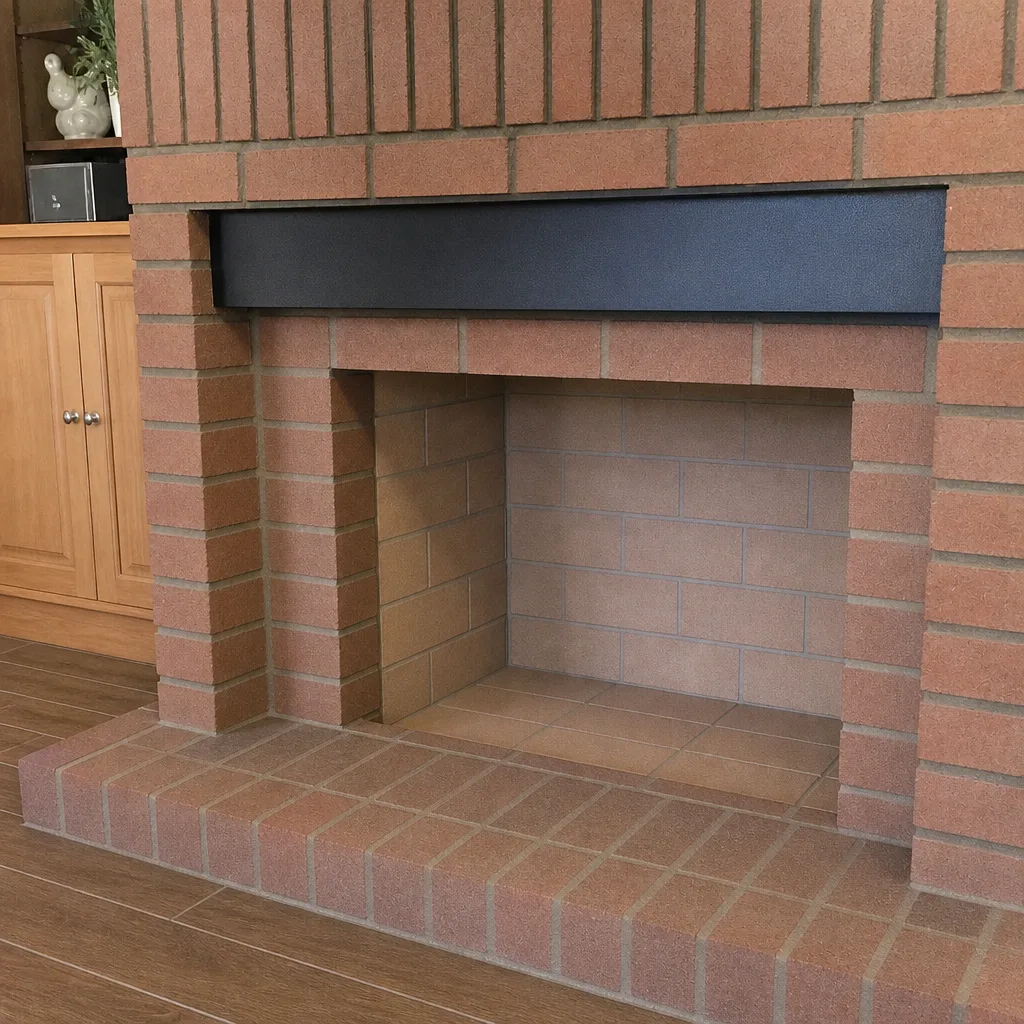
See the difference
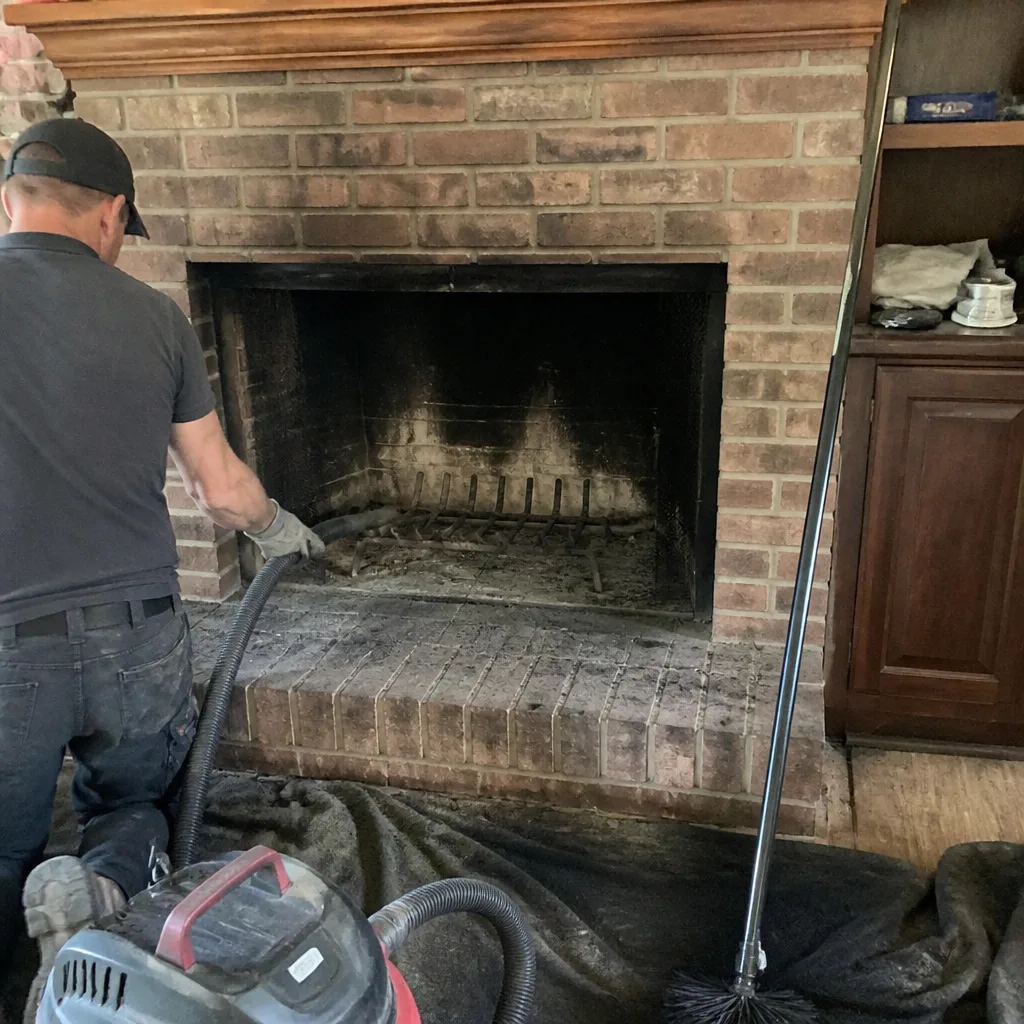 Before
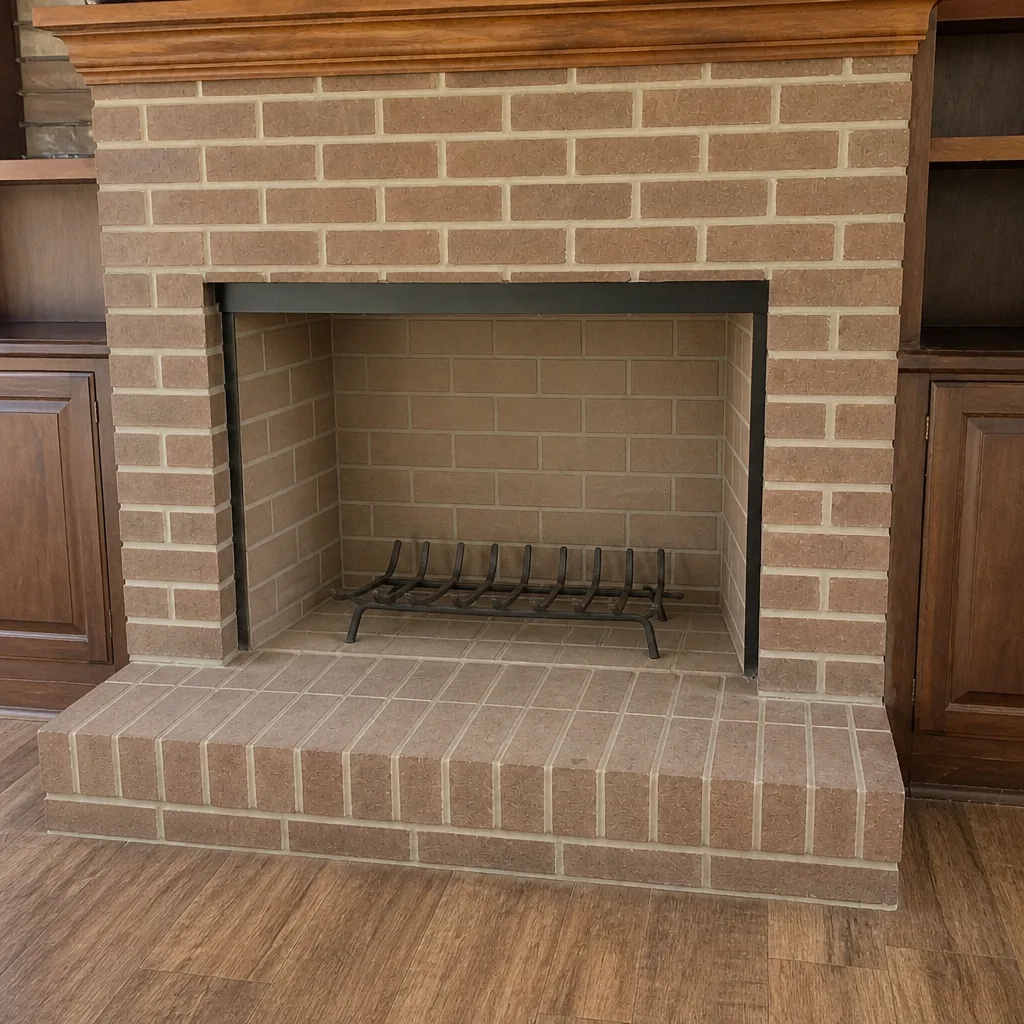 After
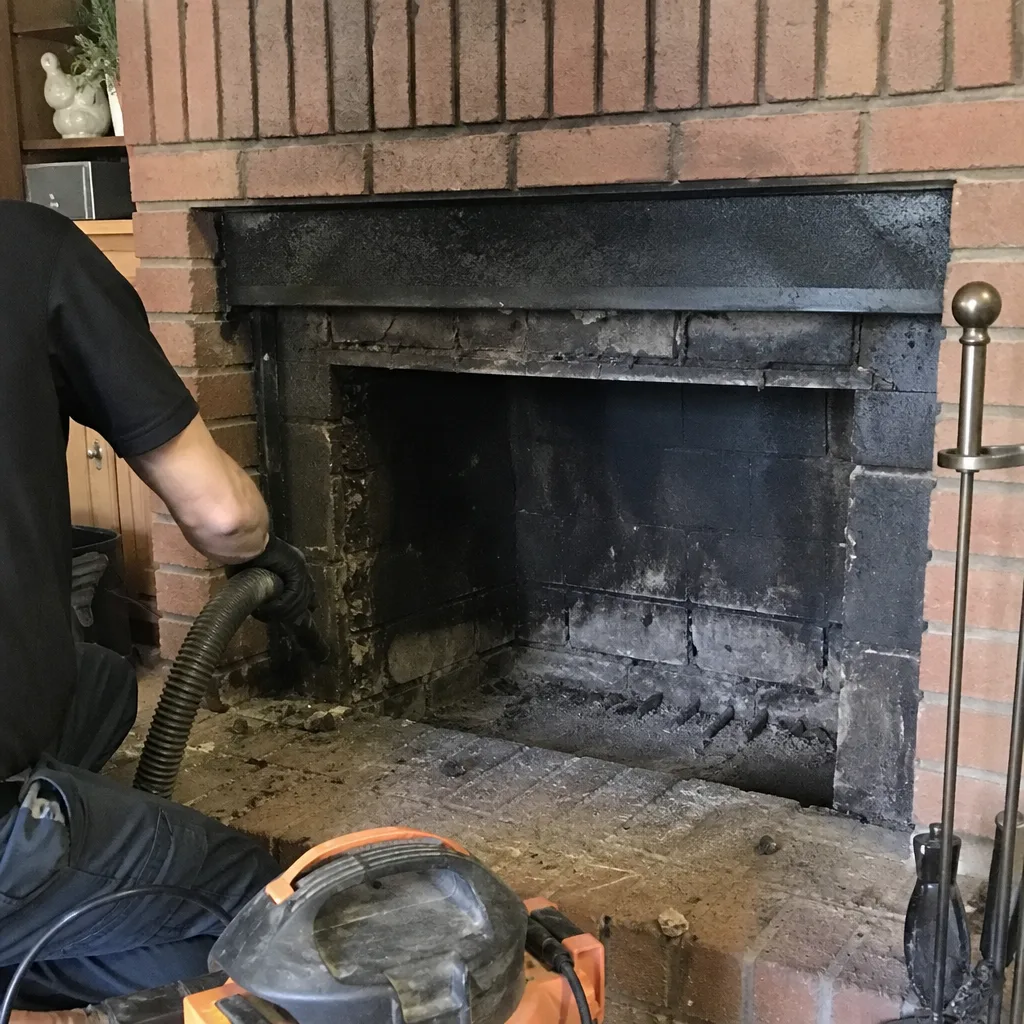 Before
 After
 Before
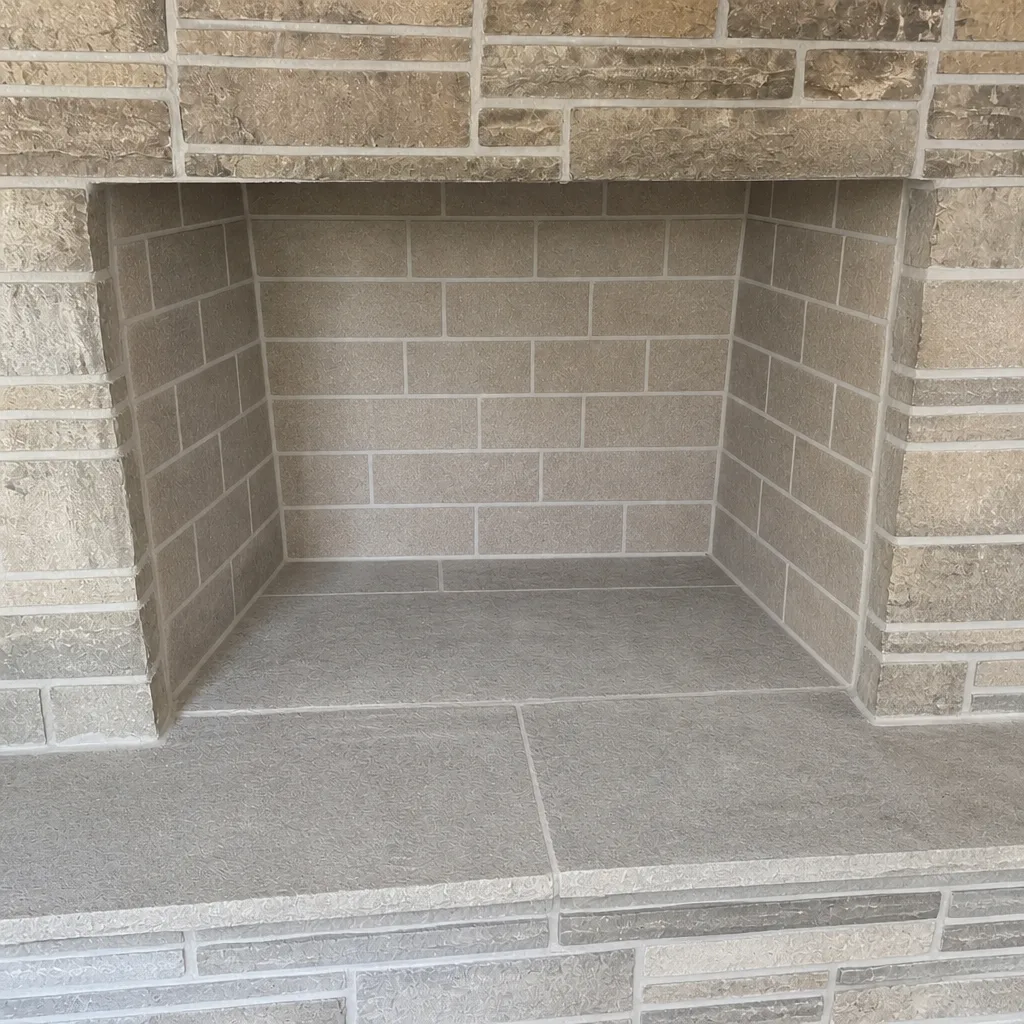 After
When to Call a Professional
Call a professional when you’re preparing for burning season and don’t know the last time your chimney was inspected. Call when you’re buying or selling a home and need a documented condition report. Call when a home inspection flagged a chimney issue, when you smell smoke in the house, when the firebox or damper has become difficult to operate, or when the crown or cap looks damaged from the ground. High-tension parts like electrical panels and gas lines are not a homeowner’s work, and neither is anything inside a chimney that requires climbing or mechanical access. Stop when you see real symptoms: a broken crown, a missing cap, a crack in the flue, or draft problems that persist after cleaning.
Knoxville Chimney Sweep offers free estimates in Knoxville. Call (844) 542-3766. We answer 24/7. Fast dispatch from 7am to 7pm, Sunday through Friday.
Frequently Asked Questions
Most sweeps in the Knoxville market fall in a typical range, with the written estimate setting the final price. The figure depends on the chimney’s access, the amount of creosote, and whether inspection is included. A quote that’s well below the market often reflects a sweep-only scope, so ask what’s covered before you compare prices. Call (844) 542-3766 for an exact quote, and the estimate is free.
Not always. A liner is needed when the flue is cracked, unlined, or improperly sized for the appliance, and the inspection is what confirms it. HeatShield resurfacing can sometimes restore a flue that would otherwise need relining, and doing nothing is a valid choice when the condition allows it. You should see the evidence before you decide. Call (844) 542-3766 and we’ll walk you through what the inspection found.
Most wood-burning chimneys should be swept about once a year, and more often if you burn heavily or burn green wood. Gas fireplaces need inspection on a similar schedule even though they produce less creosote. Knoxville’s climate means water intrusion and interior deterioration are worth checking on the same visit. Call (844) 542-3766 to book an inspection before burning season.
Creosote accumulates, draft worsens, and a cracked flue or damaged crown goes unnoticed, which is when small problems become structural ones. The serious risks are chimney fire and carbon monoxide, and a proper inspection is how you rule those out. Skipping a year once isn’t automatically dangerous; skipping several without looking is how problems compound. Call (844) 542-3766 for an assessment you can see for yourself.
We source and install professional-grade systems from DuraFlex, HeatShield, Famco, Copperfield, and Olympia Chimney, choosing among them based on the job. That matters because a company that can select between products can match the material to your chimney instead of forcing one product onto every job. Ask any company you’re considering the same question. Call (844) 542-3766 to talk through which system fits your chimney.
Same-day service is possible when the schedule allows, and the right time to book a cleaning is ahead of the season rather than the day you need it. We answer 24/7, and a call outside dispatch hours is booked into the next opening, Sunday through Friday, 7am to 7pm. Call (844) 542-3766, and the estimate is free.
Yes. Inspection is a standalone service, and it comes with a documented condition report you can share with a buyer, a seller, or your insurer. That’s useful in Knoxville’s older housing stock, where flues were often built to standards that have since changed. Call (844) 542-3766 to schedule.
The Bottom Line
The right chimney cleaning brand in Knoxville is the one that can name its material systems, explain why it would choose one over another for your chimney, and show you the evidence before recommending work. HeatShield resurfacing and DuraFlex liner systems are meaningful signals because they represent training and equipment a sweep-only operation hasn’t invested in. CSIA and NFI credentials tell you what the technician studied. None of these replaces a documented inspection and a straight conversation. From the cap to the firebox, the questions in this guide will help you tell a specialist from a sweep crew. Call (844) 542-3766 for a free estimate.
Written by the team at Knoxville Chimney Sweep.