
Last updated November 25, 2026
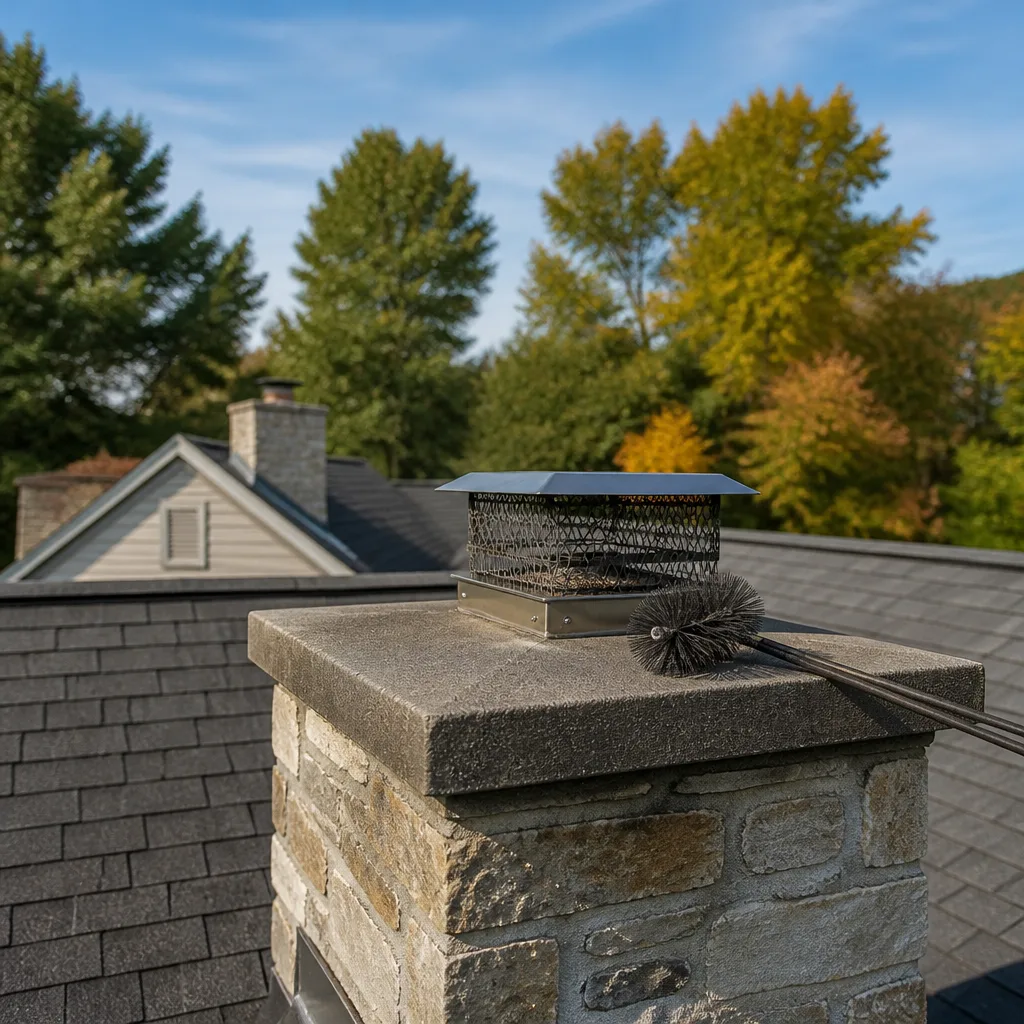 Sweep & inspection
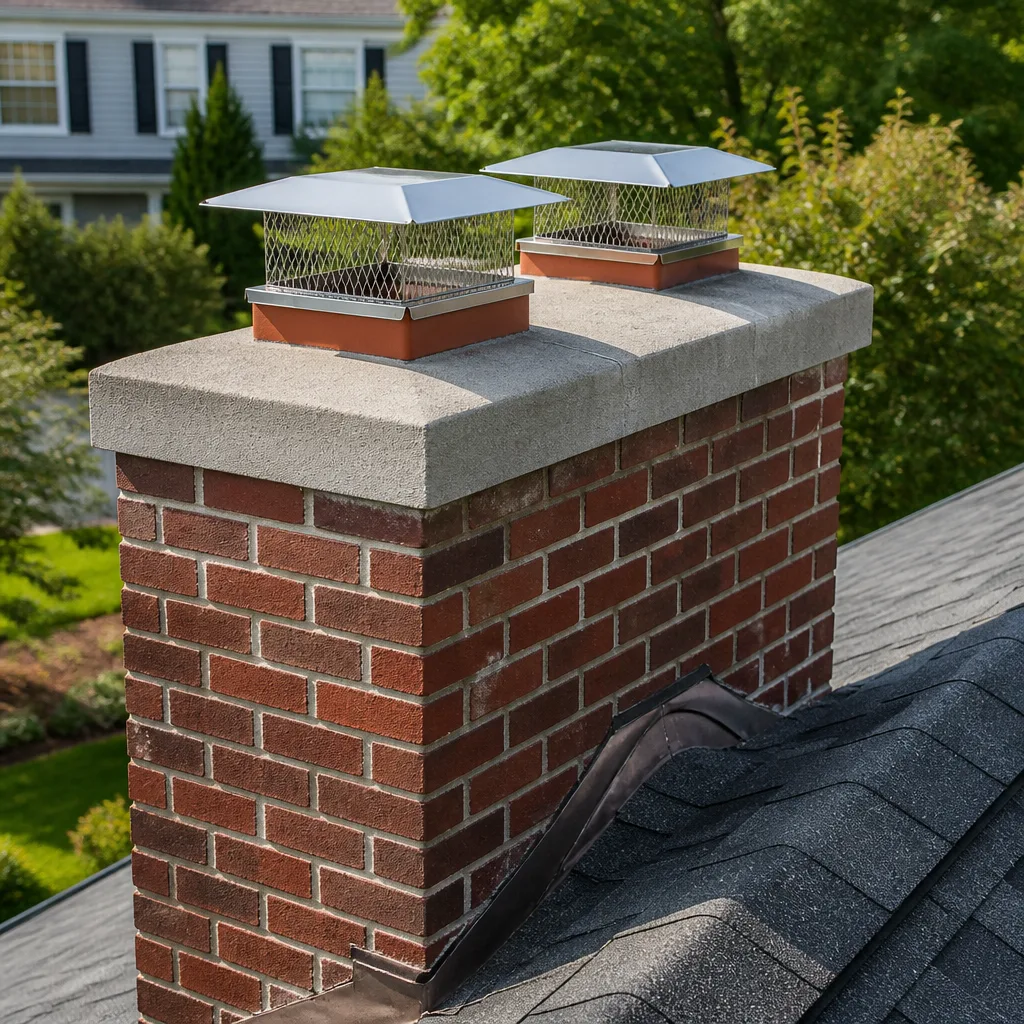 Caps & crowns
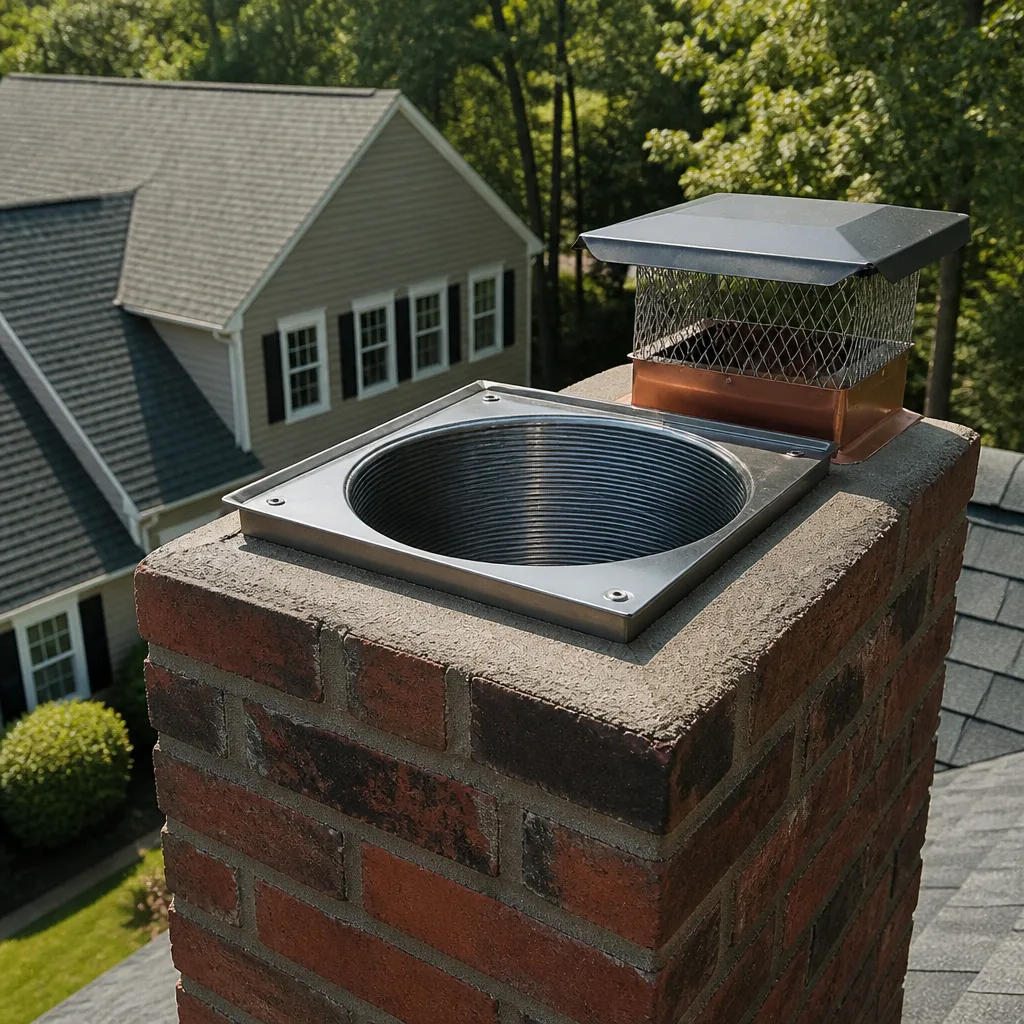 Flue relining
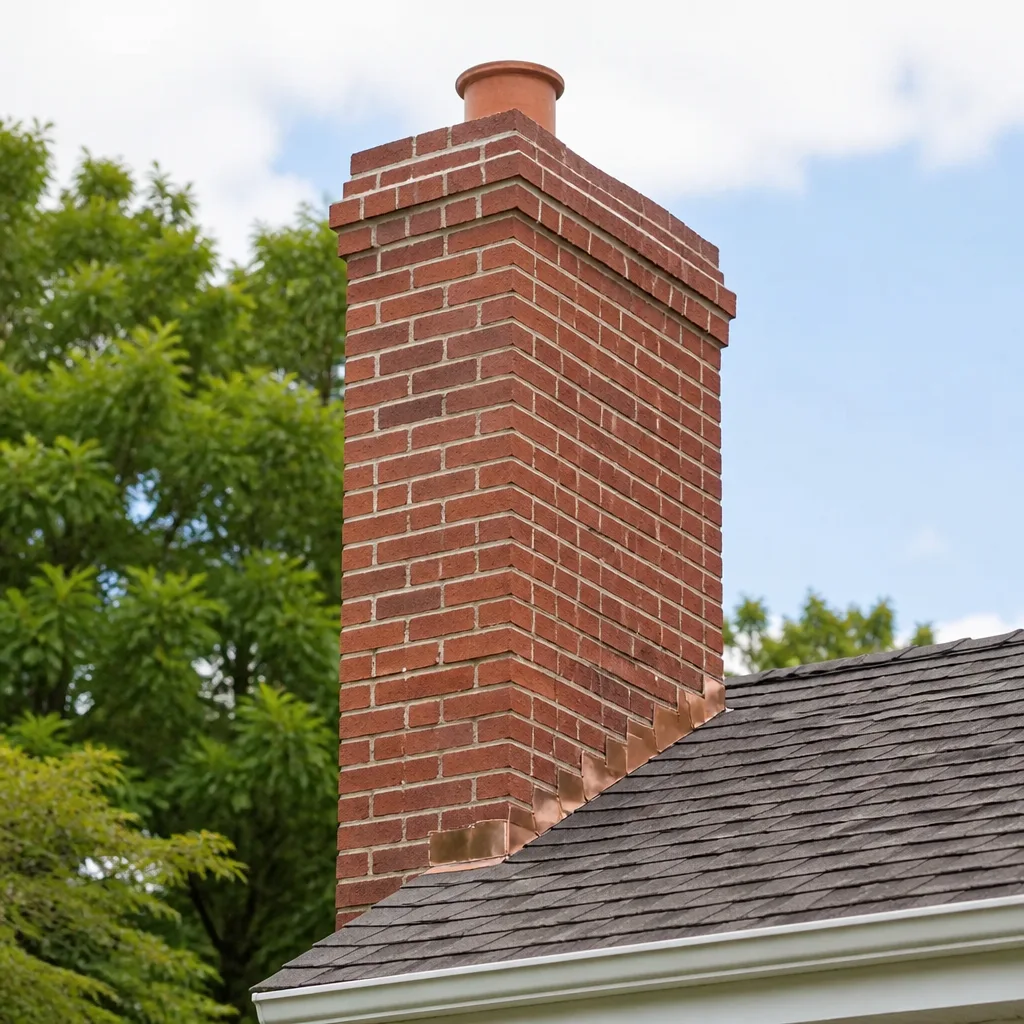 Masonry repair
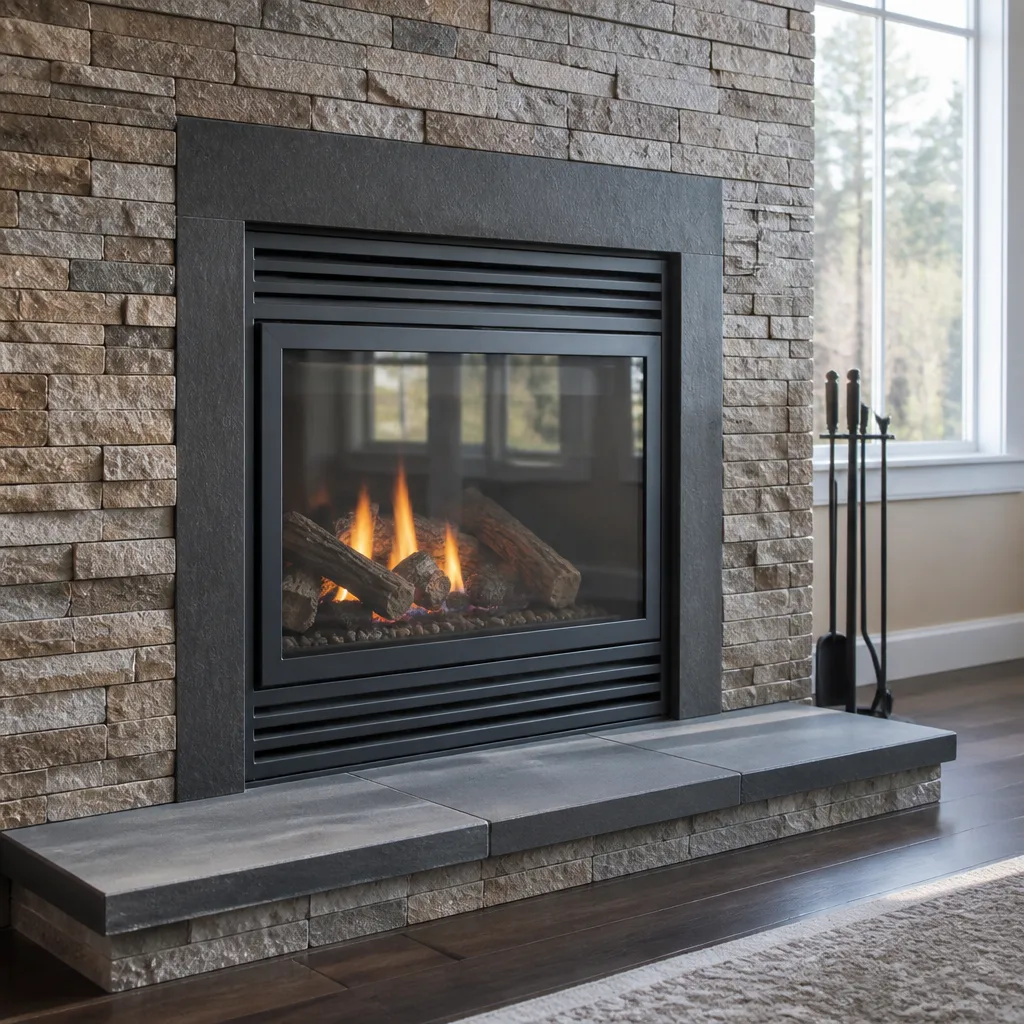 Gas fireplace service
Level 1 sweep and inspection to the NFPA 211 annual standard - flue, crown, cap, and flashing checked and photographed
Chimney sweep logs do not sweep chimneys. They loosen some creosote - which then falls where a brush and vacuum still have to collect it.
DIY vs Professional Chimney Cleaning: The Knoxville Homeowner’s Decision Guide
You can buy the same chimney brush a professional uses for under $40. The brush isn’t the problem. The problem is that a brush moving through the flue without a camera on the other end is cleaning something you can’t see and cannot evaluate. That’s the line this guide draws, and it’s not where most chimney companies draw it. Some chimney work sits comfortably within a careful homeowner’s reach; other work needs equipment and eyes you don’t have at home. We’ll map out exactly which is which, explain why the inspection matters more than the scrubbing, and tell you honestly when DIY is a reasonable call in a Knoxville house and when it isn’t.
Quick Answer
Cleaning a chimney yourself is possible and sometimes reasonable for a simple wood stove with a straight liner and no combustion problems, but professional cleaning is the safer choice for most Knoxville homes because sweeping is bundled with an inspection that catches creosote glazing, cracked flue tiles, and blocked caps you can’t see from below. The real dividing line isn’t cleaning versus not cleaning. It’s whether anyone is evaluating the flue while it’s cleaned. If you clean it yourself, you still need a professional inspection before the first fire of the season.
Styles & brands we work with
- Sweep & inspection
- Caps & crowns
- Flue relining
- Masonry repair
- Gas fireplace service
Table of Contents
- What You Can Safely Do Yourself (and What You Can’t)
- When DIY Cleaning Actually Makes Sense
- When DIY Cleaning Is the Wrong Call
- Why the Inspection, Not the Cleaning, Is the Real Value
- What to Document If You Clean It Yourself
- DuraFlex and HeatShield: Where DIY Capability Ends
- Knoxville Chimney Conditions: What Local Homes Deal With
- DIY vs Professional Cost: An Honest Look
What You Can Safely Do Yourself (and What You Can’t)
The chimney trades have a jargon problem: “chimney cleaning” gets used for a dozen different tasks. Separate them and the picture gets clear. Some of these tasks are genuinely doable by a homeowner with basic tools; others want equipment and training most households don’t have.
Within reach for a careful homeowner
- Ash removal. Scooping ash from the firebox and ash pit with a metal scoop and a sealed metal bucket is straightforward. Wait until the ash is fully cool, and put it outdoors on a non-combustible surface, never in a paper bag or plastic bin.
- Exterior visual inspection from the ground. Binoculars work fine here. You’re looking for a missing cap, a cracked crown, visible staining, or heavy rust streaks. If you see any of them, note the location and call for a professional inspection.
- Cap clearing of light debris. A leaf or twig sitting on top of the spark screen is a five-minute fix with a gloved hand or a soft brush on an extension. Anything more involved than that isn’t DIY territory.
- Firebox cleanup and grate maintenance. Removing soot from the firebox floor, checking the damper opens and closes freely, and confirming the grate isn’t warped are all reasonable homeowner tasks.
Not within safe reach
- Flue sweeping. It’s not just the brush. It’s setting up drop cloths, controlling dust through the whole house, knowing what a proper flue brush looks like for your liner type (round, square, oval), and recognizing when glazed creosote needs chemical treatment before it can be swept at all.
- Any camera inspection. A video flue scan requires a specialized camera on a rotating rod. Without it, you cannot see the mid-flue, the smoke chamber, or the offset in a masonry stack. This is the gap that matters most.
- Work above the roofline. Anything requiring you on the roof – crown repair, cap replacement, flashing work – belongs to a trained professional. Roof falls are one of the leading causes of residential injury in the trades, and a Knoxville winter can leave morning shingles slick even when the afternoon looks dry.
- Structural and liner work. Cracked flue tiles, degraded mortar joints, a rusted prefab liner – all of these need a trained eye and contractor-grade repair materials. More on that below.
- Disconnecting and reassembling a stovepipe or insert. It looks simple and often isn’t. A single misaligned gasket or improperly seated connector can leak carbon monoxide into the room.
That capability map is the whole conversation compressed. The rest of this guide just adds detail.
When DIY Cleaning Actually Makes Sense
There is a real scenario where cleaning your own chimney is a fair call: a wood stove served by a straight, single-wall, insulated liner, with a clean history, a well-maintained fire, and a homeowner willing to do the reading before picking up the brush. If that’s your setup, DIY isn’t reckless.
Here’s what the honest version of that scenario looks like in practice:
- The appliance is a wood stove or free-standing fireplace insert – not a masonry fireplace with a large, sloping smoke chamber. Straight flues are simpler to clean and easier to verify.
- The liner is a straight run with no offsets. If your flue snakes or has a jog, a brush will not follow the interior wall and you’ll miss the very sections where creosote collects.
- Your wood has been properly seasoned. Burning dry, well-seasoned firewood produces fluffier, easier-to-sweep creosote. Burning green wood or trash produces the glazed, tar-like creosote that a homeowner brush bounces off.
- You have no history of smoke rollback, sluggish draft, or incomplete combustion. All three point to a flue problem a homeowner can’t diagnose with a flashlight.
- You have the right tools and the right attitude. Correct-diameter poly brush, flexible rods, drop cloths, a respirator, safety glasses, and a willingness to stop if you see something wrong.
Knoxville has a meaningful population of wood stove owners – especially in older homes in neighborhoods like Fountain City, Vestal, and the pockets of North Knoxville where wood heat shows up alongside a furnace. If you’re one of them, and your setup matches the list above, cleaning it yourself in early October before the first burn is a defensible choice. But keep reading before you decide, because the condition of the flue matters more than the willingness of the homeowner.
When DIY Cleaning Is the Wrong Call
Three situations make DIY cleaning an actively bad idea. Any one of them is enough to hand the job to a professional.
Masonry fireplaces with smoke chambers
A masonry fireplace has a firebox, a damper, a smoke chamber (the sloped area above the damper), and then the flue. The smoke chamber is where creosote and soot collect hardest, and it’s also where a homeowner brush cannot reach. The brushes that professionals use for smoke chambers are different from the ones used in the flue itself – angled, specialized, and often paired with a chemical pre-treatment. Cleaning a masonry fireplace without addressing the smoke chamber is sweeping 60% of the system.
Anytime there’s a prefab or manufactured system
Prefab fireplaces have a thin-wall stainless liner that damages easily. A too-stiff brush, the wrong diameter, or a homeowner scraping at a warped seam can turn a serviceable liner into a replacement job. A replacement liner on a prefab is not a small cost, and the DIY “savings” evaporate fast. The stakes are the same whether the liner sits in a Knoxville home or anywhere else – the difference is how quickly a damaged prefab liner can put combustion gases into a living space.
Any hint of a draft problem, soot staining, or backdraft
If smoke rolls back into the room when you start a fire, if you see soot above the firebox, or if you smell an odd, acrid smell on cold mornings when no fire is burning, stop. These are signals of a pressure or blockage issue that needs diagnosis, not a scrub brush. Burning in that setup, DIY-cleaned or not, risks carbon monoxide spillage into the house.
Beyond the flue itself, if the chimney has not been swept in several seasons and the firebox shows heavy, glossy creosote, a homeowner scrub will simply redistribute it. Glazed creosote has to be chemically treated before it can be removed. That’s a professional’s job.
Why the Inspection, Not the Cleaning, Is the Real Value
The chimney service that actually protects a home isn’t the sweep – it’s the inspection that happens alongside it. A sweep cleans what’s there; an inspection tells you what to do about it. Most homeowners who regret a DIY cleaning regret it not because the cleaning was bad but because nobody looked at the flue while it was happening.
A proper professional chimney inspection includes several things a homeowner typically cannot replicate:
- Video camera scan of the flue on a rotating rod, allowing the technician to see every joint, every tile transition, and any cracks or gaps.
- Smoke chamber assessment for masonry fireplaces, checking for parging that has cracked away or heavier-than-normal soot buildup.
- Cap, crown, and flashing inspection at the roofline – the exact locations where water intrusion begins.
- Firebox and damper condition with attention to warping, cracked brick, and failed mortar joints.
- Written documentation – photos of anything flagged, so you can hand the report to an insurer, a home inspector, or a real estate agent.
At Knoxville Chimney Sweep, we treat inspection as a standalone service. That matters because it means the file isn’t a sales funnel for a reline – it’s a documented assessment you can use for insurance, a real estate transaction, or the plain peace of mind of knowing what’s in your flue. We’ve had homeowners ask us for exactly that: an inspection and nothing more, with a written report they could use for a mortgage underwriter. No pressure to buy anything.
If you plan to burn wood this winter, book an inspection before you sweep. chimney sweep service in Knoxville pairs the two, which is the right sequence – inspection first, then sweep, then a written summary of what we found.
What to Document If You Clean It Yourself
If you decide to DIY the sweep, do it with a clipboard in hand. Documenting the right things before the first fire of the season lets a professional pick up where you left off and protects you from missing a safety issue you didn’t know to look for.
Document these items for a professional’s review:
- The date you cleaned. Note it because it affects the next scheduled cleaning. A chimney cleaning timeline is measured from the date of the last sweep and the amount of wood burned.
- Amount of creosote removed – roughly, in buckets or shoeboxes. “About a gallon of soot” is useful. “A little” is not.
- Color and texture of what came out. Black and flaky is normal. Brown and crusty is medium. Glossy, sticky, and tar-like is a red flag for glazed creosote that requires professional treatment.
- Anything unusual you saw from below – missing mortar, cracks visible through the firebox, a damper that stuck, or a strange smell after cleaning.
- Photos of the cap and crown from the ground. Binocular phone photos work. If anything looks broken, upload it when you call.
- Wood species and seasoning time. Whether you burn hardwood, softwood, or a mix, and how long it seasoned, directly affects creosote behavior.
- Appliance type and approximate flue geometry – wood stove or masonry fireplace, straight flue or offset, single-wall liner or masonry tile.
All of this feeds into the inspection. Bring it to the phone call when you book. A technician arriving with that information can be more useful than one starting from zero.
DuraFlex and HeatShield: Where DIY Capability Ends
There’s a clean way to know where the line is between homeowner tasks and professional scope: the materials. If the material is sold at the hardware store and doesn’t require a specialized tool to install, it’s probably within reach. If it’s a contractor-grade system used only by chimney professionals, the work belongs with them.
Two products make the point well.
DuraFlex is a flexible stainless chimney liner system – a professional-grade relining material used by certified chimney specialists across the country. It’s not sold at retail, and it isn’t installed by running it down a flue and hoping for the best. Installation involves sizing the liner to the flue, insulating it, connecting it to the appliance collar and the top plate at the crown, and verifying the draft after. A homeowner cannot do this work safely. When a flue is cracked, degraded, or unlined, a DuraFlex liner is a durable engineered fix – not a patch.
HeatShield is a chimney resurfacing system used to restore damaged flue interiors without a full teardown. It’s applied by technicians trained on the product, and it can save a homeowner the cost of a rebuild in situations where the existing chimney structure is sound but the interior surface is not. It’s another example of a repair method that isn’t available at retail because it shouldn’t be.
Professionals also draw from multiple supply lines – Gelco, Olympia Chimney, and Famco among them – so a given job can be matched to the right material instead of forcing every chimney into one product. A homeowner buying at retail is choosing from a much smaller catalog, and can’t evaluate which one fits their flue.
When a repair calls for DuraFlex, HeatShield, or any contractor-grade product, that’s your signal: this part of the job is beyond DIY scope. It’s also where the price of a professional service starts to make sense against the risk.
Knoxville Chimney Conditions: What Local Homes Deal With
Chimney behavior varies by climate, and Knoxville has a specific set of conditions that influence how fast creosote builds and what kind of damage shows up.
Knoxville winters are cold but rarely extreme. That’s actually a bad combination for chimneys, because it produces a lot of mid-warm days when fires are burning low and slow with dampers partly closed. Low-and-slow burning, especially with wood that isn’t fully seasoned, is the classic recipe for glazed creosote. A chimney that sees two or three fires per week from November through February in Knoxville can build creosote faster than the same chimney in a colder climate where fires burn hot and steady every day.
The East Tennessee humidity swings matter too. Knoxville summers are humid enough to drive moisture into a masonry stack, and that moisture expands and contracts through freeze-thaw cycles in January and February. Masonry chimneys on older homes – especially in established neighborhoods like Sequoyah Hills, Island Home, and the older parts of Bearden – often show crown cracking and spalling brick from this cycle. That kind of damage usually starts above the roofline, invisible from the ground, which is exactly the kind of thing a professional inspection catches and a homeowner visual check does not.
Wood heating is still common in Knoxville, in the older neighborhoods, in the foothills of the surrounding county, and in the rural homes beyond the city limits. Many of those installs predate modern liner standards, which makes professional inspection more valuable than DIY sweeping for those houses specifically.
If you’ve recently bought or are selling a Knoxville home, a professional inspection is the version you want – documented, photo-referenced, and useful to a lender. Learn more about our chimney cap & crown service if you’re wondering whether a leaking cap is behind water staining on your ceiling.
DIY vs Professional Cost: An Honest Look
DIY cleaning looks cheaper on paper. The brush and rods are under $40 at any hardware store. But the full cost calculation is more honest when you line up what each option actually delivers.
- DIY tools and materials: Around $40 for a basic brush and rods, plus $30-$60 for a respirator and safety glasses, plus the cost of drop cloths and disposal materials. Reusable, so the per-year cost drops after the first year.
- Professional chimney sweep in Knoxville: Typical pricing for a standard sweep runs in the range most Knoxville homeowners see when they get a written estimate. The exact figure is set per job after the technician sees the chimney. Knoxville Chimney Sweep provides a written estimate before booking so you know the number before anyone arrives.
- Professional chimney and fireplace inspection: A dedicated inspection, including a video flue scan and a written report, is a separate but modest line item. Many homeowners bundle inspection with the sweep; many also book inspection on its own, especially for a real estate transaction.
- What the DIY price doesn’t include: A camera scan of the flue, soot control through the whole house, disposal of the creosote, and any diagnosis of what the sweep actually found. Add a professional inspection on top of DIY materials and the gap narrows considerably.
- What “savings” can hide: A hammered prefab liner, a missed crack, or a smoke chamber that fills with creosote across two seasons – each of those turns the DIY “savings” into a larger bill than the sweep would have cost.
There’s no service-call fee for the estimate. The number you see is set per job, based on the chimney in front of us, not on a flat rate pulled from a price book. Whether that number beats DIY for you depends entirely on the setup of your chimney – the simpler it is, the closer the two become; the more complicated it is, the clearer the professional case.
Common Mistakes to Avoid
- Sweeping without inspecting. Cleaning a chimney and assuming it’s fine afterward is the single most common DIY mistake. Cleaning without a video scan treats the symptom, not the underlying condition.
- Using the wrong brush diameter. A brush too large jams and can damage a prefab liner; one too small misses the walls. Match the brush to the flue interior exactly, and if you can’t measure it confidently, don’t brush it.
- Cleaning right before a fire. Finish a DIY sweep and inspection several days before the first burn, not minutes before. You need time to notice a smell, a draft problem, or a symptom that shows up only after the chimney has had a chance to breathe.
- Burning green wood to make the creosote “easier to sweep.” This is backwards. Green wood produces the glazed creosote you cannot sweep at all. Season your wood in Knoxville’s humid summers by keeping it stacked off the ground with plenty of airflow – a full spring and summer is usually the minimum.
- Ignoring a missing chimney cap. A missing cap lets rain, birds, and squirrels into the flue. It’s the cheapest fix on this list and the one most likely to turn a small problem into masonry damage over a Knoxville winter.
- Assuming a clean sweep equals a safe chimney. Sweeps clean the flue. Only inspection evaluates cracks, offsets, and the smoke chamber. Those are two different jobs, and only one of them can stop a hidden problem.
- Using a shop vac for ash cleanup inside the firebox. A regular shop vac is not rated for combustible ash and hot embers can reignite inside it. Ash should always go to a sealed metal container outdoors, never into a paper bag or plastic bin.
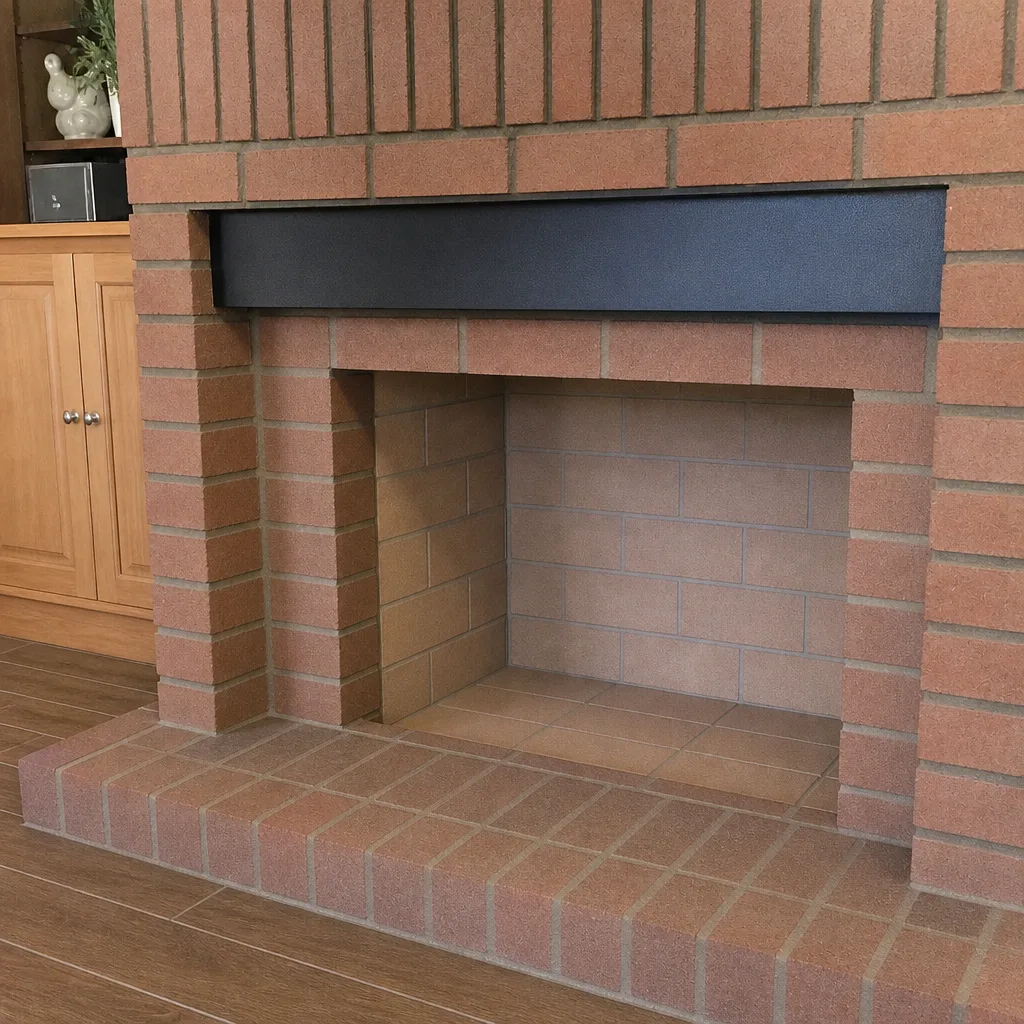
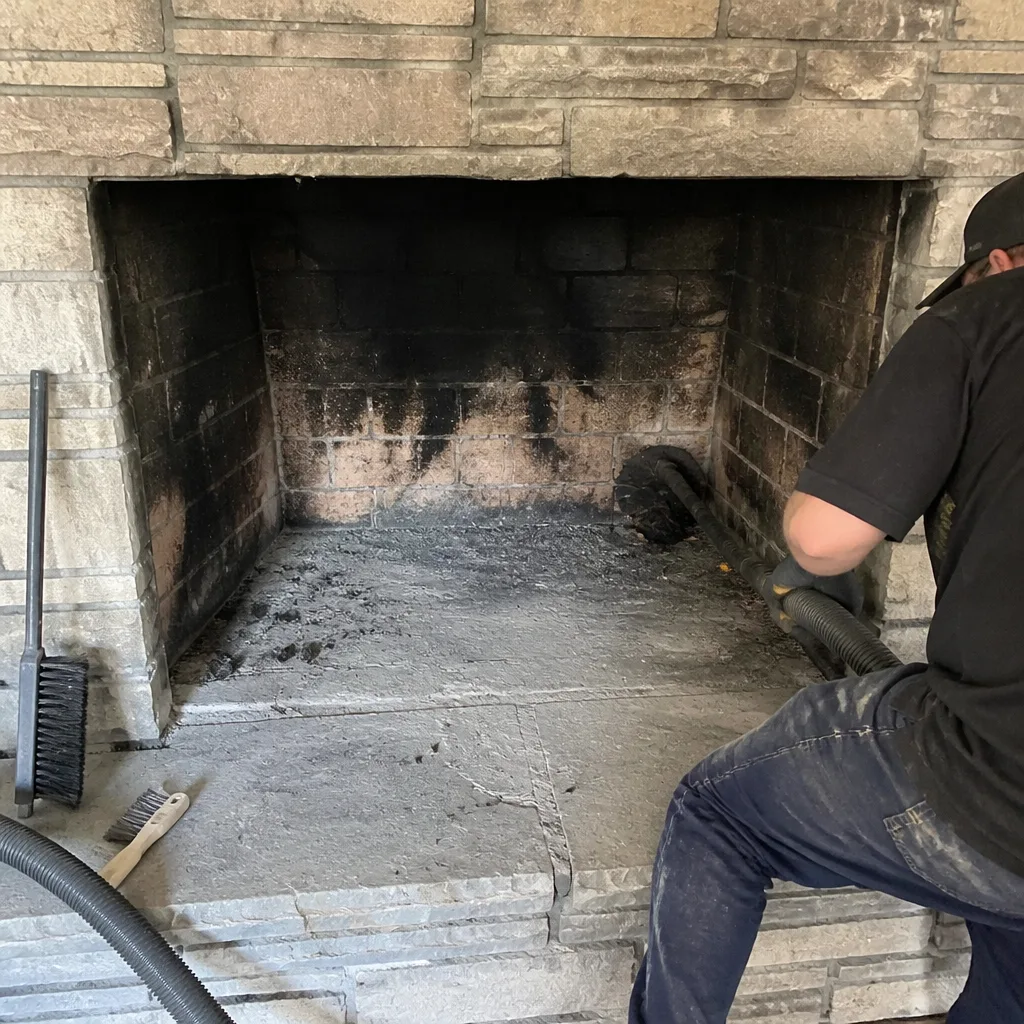
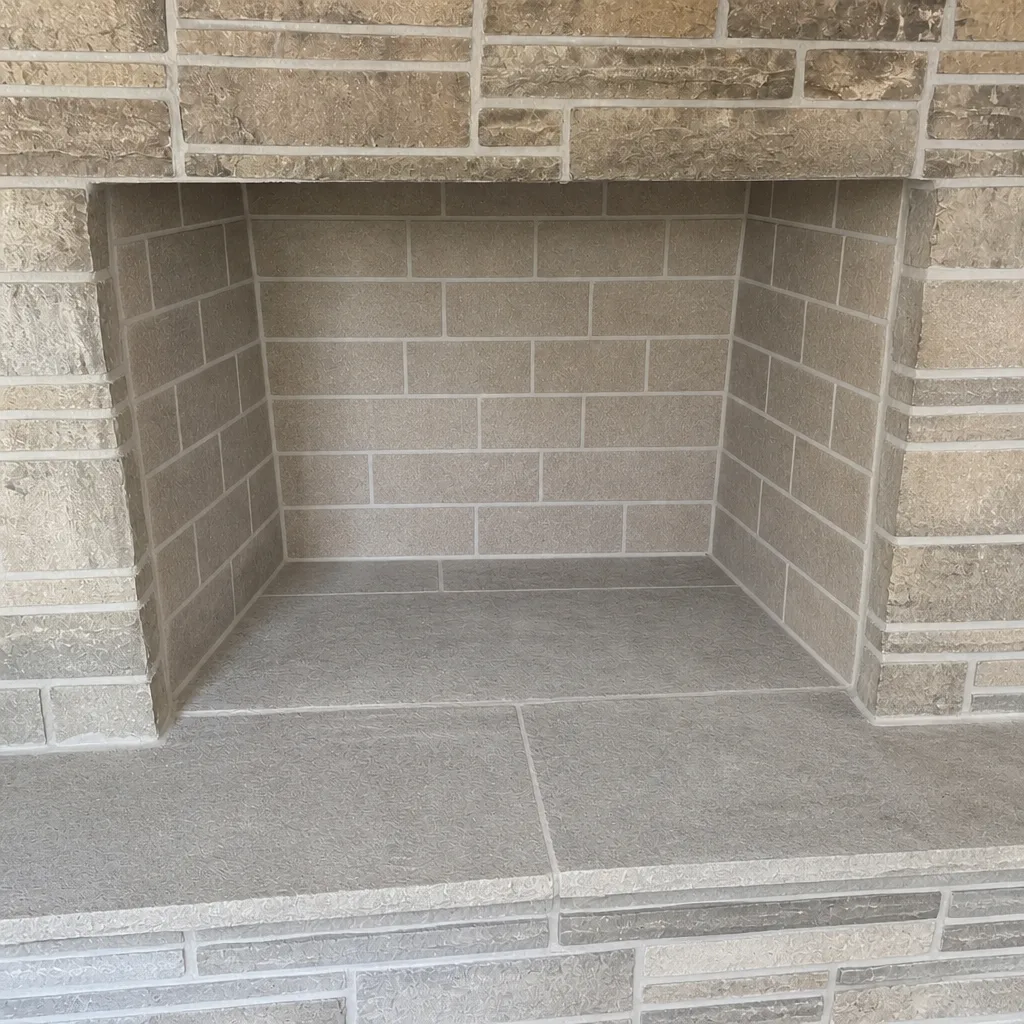
See the difference
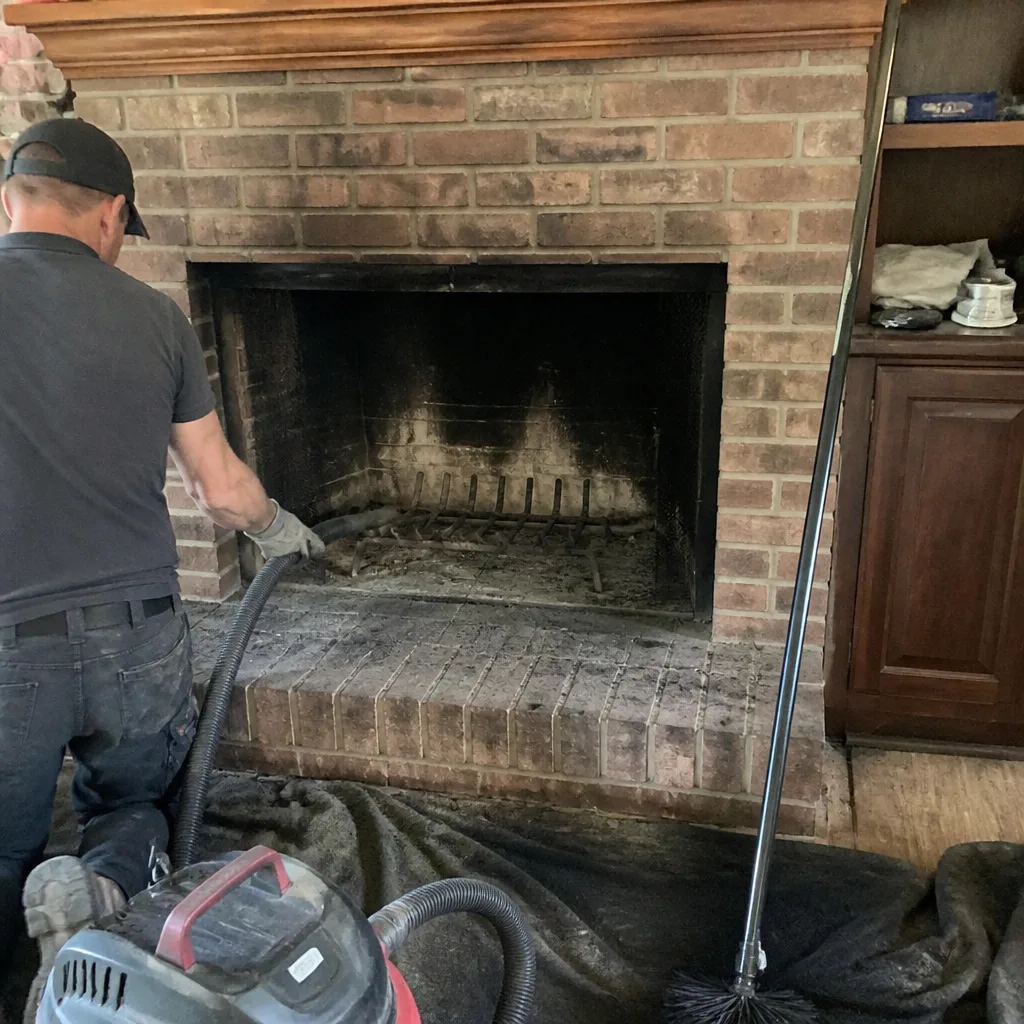 Before
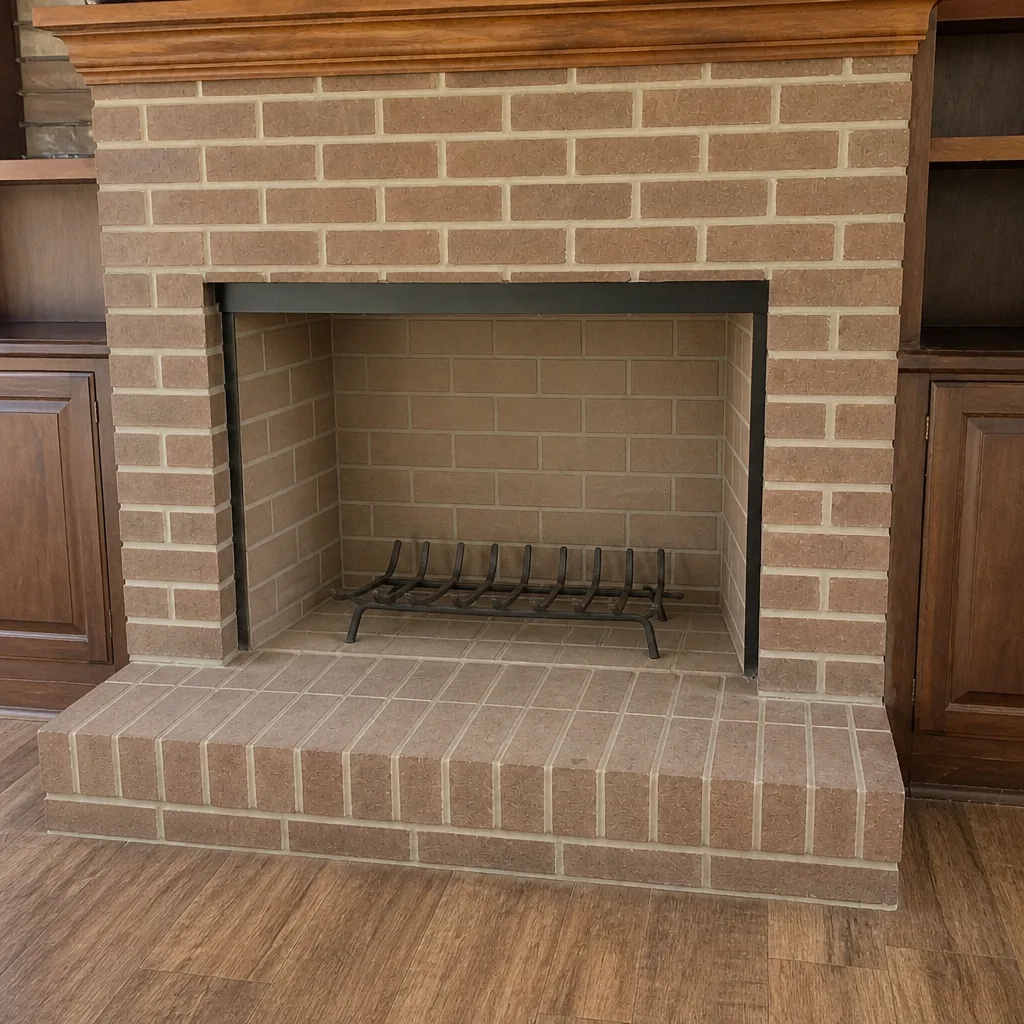 After
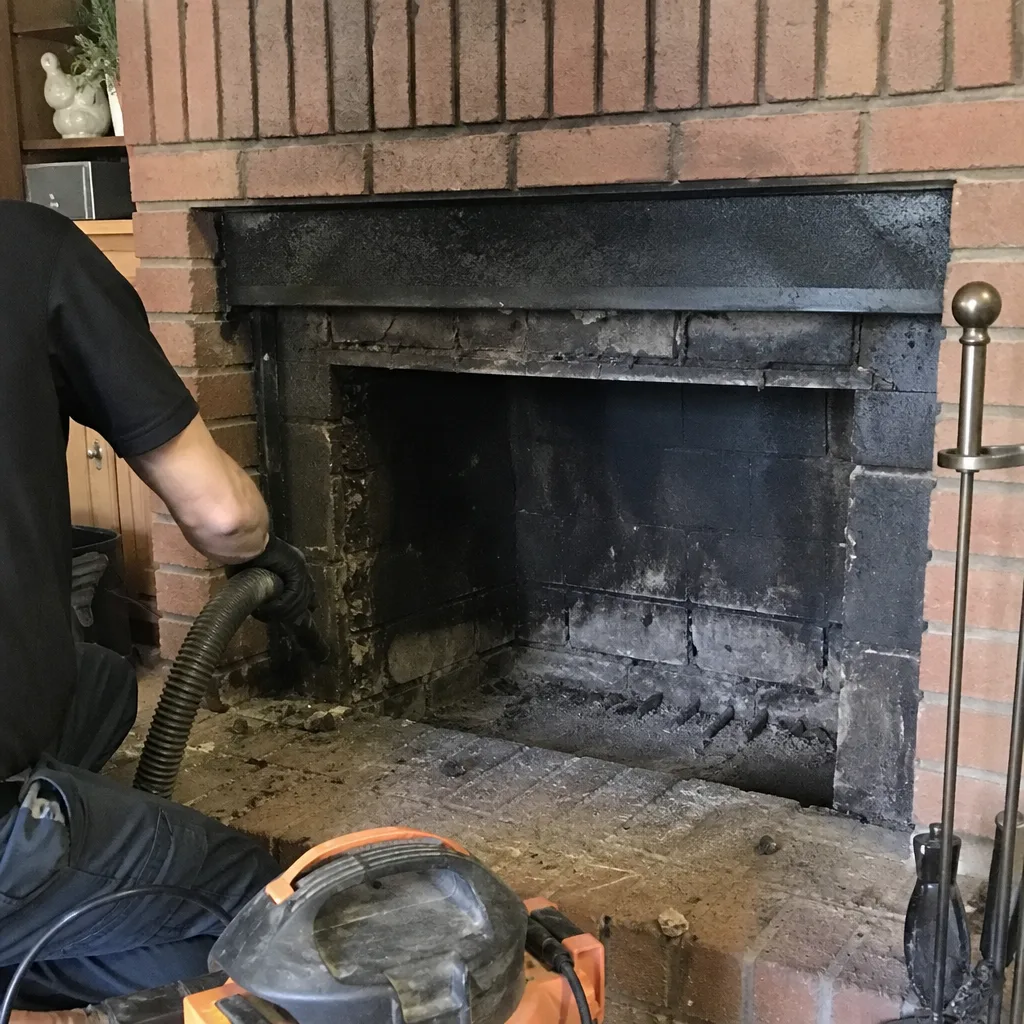 Before
 After
 Before
 After
When to Call a Professional
If you read this guide and recognized your own chimney in the “wrong call” scenarios, that’s a signal to call. So is a recent home inspection that flagged anything above the firebox. So is a Knoxville house you’ve just bought or are selling. So is a burning season approaching and a chimney you haven’t looked at since last year. Our technicians have up to 11 years of experience with fireplaces, flues, and the kind of problems that hide in a smoke chamber. We work from the cap down to the firebox, so a single call gets you sweeping, inspection with a written report, fireplace repair, cap and crown service, and structural repair if it comes to that. Knoxville Chimney Sweep offers free estimates in Knoxville – call (844) 542-3766. We answer 24/7. Fast dispatch from 7am to 7pm, Sunday through Friday.
Frequently Asked Questions
A chimney sweep in Knoxville typically runs in the modest hundreds for a standard single-flue cleaning, with the final number set in a written estimate once the technician sees your chimney. A video inspection, and any repair work, is quoted as a separate line item. The estimate is free. Call (844) 542-3766 for an exact quote.
It’s fine in a narrow set of cases – a wood stove with a straight, insulated liner, no combustion problems, and a homeowner willing to learn the tools. It’s not fine for masonry fireplaces with smoke chambers, prefab systems, or any chimney with draft problems or glazed creosote. Even in the “fine” cases, schedule a professional inspection after every DIY sweep, because cleaning without a camera scan misses what the camera would catch.
A chimney should be swept when 1/8 inch or more of creosote has built up on the flue walls, and at least once a year for a household that burns regularly. A home that burns wood several times a week from November through February typically wants an annual sweep and inspection. A home that burns occasionally can sometimes stretch to longer, though the inspection cadence should stay annual. If you’ve skipped last year’s sweep, book this one before the first fire. Call (844) 542-3766 for a written estimate.
Yes. Cleaning and inspection are two different services, and a homeowner sweep doesn’t include the video camera scan that reveals cracked tiles, offset flues, and smoke chamber deterioration. An inspection is also what you need for a real estate transaction or an insurance file, both of which want a documented report with photos. A standalone inspection is a modest line item and independent of any cleaning or repair. Call (844) 542-3766 to book one.
Creosote continues to build on the flue walls, and the risk shifts from “worth cleaning” to “worth checking before every fire” as it thickens and eventually glazes. Thick creosote is the fuel source in a chimney fire, and a blocked flue can send carbon monoxide back into the living space. Skipping one year isn’t catastrophic in a well-maintained chimney; skipping three or four years is a different situation. Call (844) 542-3766 for an inspection – estimates are free.
No. Both are contractor-grade products used by trained chimney professionals. DuraFlex is a flexible stainless liner system; HeatShield is a chimney resurfacing method, and both require specialized tools, training, and post-install verification of draft and fit to work correctly. If your chimney needs either one, the work is beyond DIY scope. Call (844) 542-3766 and we’ll walk you through what the repair involves – Knoxville Chimney Sweep works with DuraFlex, HeatShield, Gelco, Olympia Chimney, and Famco so a solution can be matched to your chimney.
The Bottom Line
DIY chimney cleaning is not the automatic no that most companies make it out to be. If your setup is simple, your wood is seasoned, and you’re willing to learn the tools, a homeowner sweep is a fair call. What is never a fair call is cleaning without inspecting. The video scan, the smoke chamber check, and the written report – those are the services that actually protect a home, and they’re not something a homeowner can replicate with a brush. In Knoxville’s climate, with its many low-and-slow burn weeks and its freeze-thaw masonry damage, an annual inspection is the single most valuable chimney habit you can build. Clean what you can, but let a professional look at what you can’t. If you’re ready, call (844) 542-3766 for a free estimate. We answer 24/7. Fast dispatch from 7am to 7pm, Sunday through Friday.
Written by the team at Knoxville Chimney Sweep.