
Last updated November 25, 2026
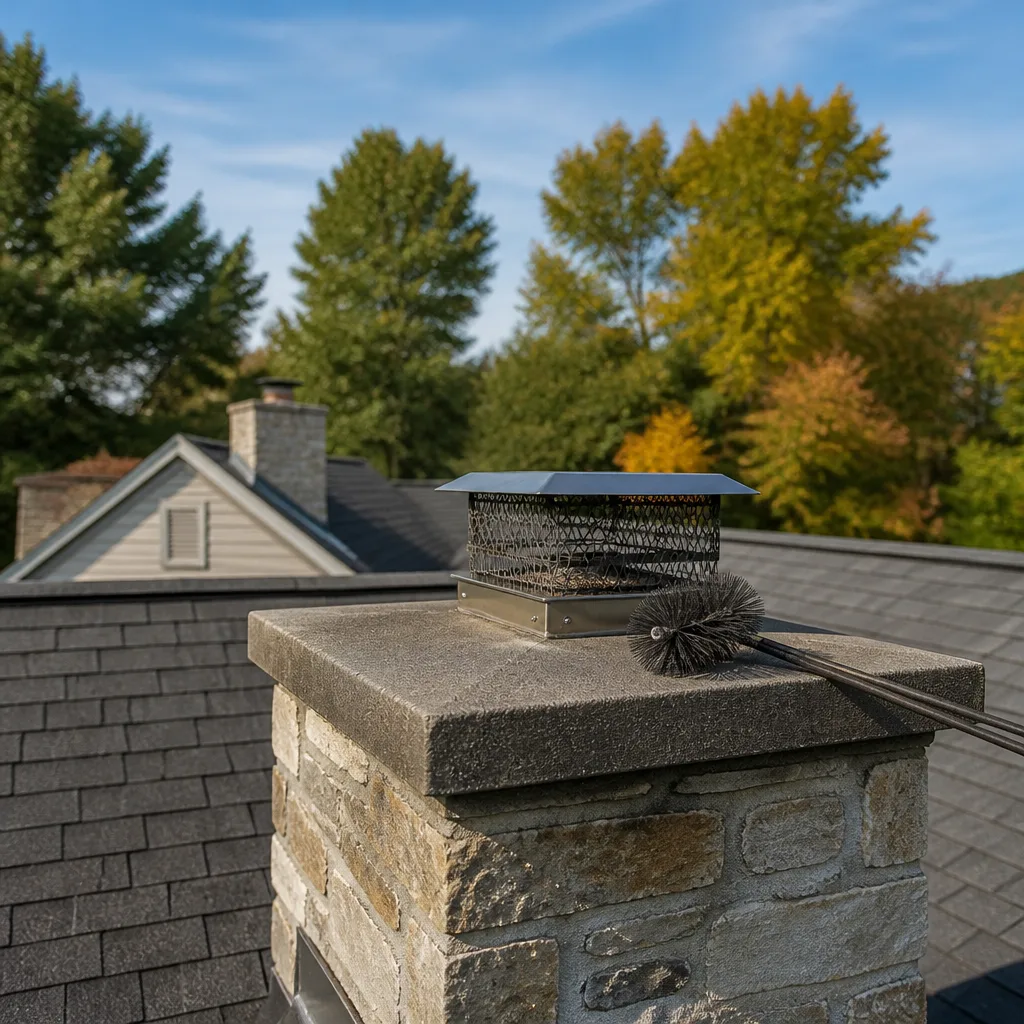 Sweep & inspection
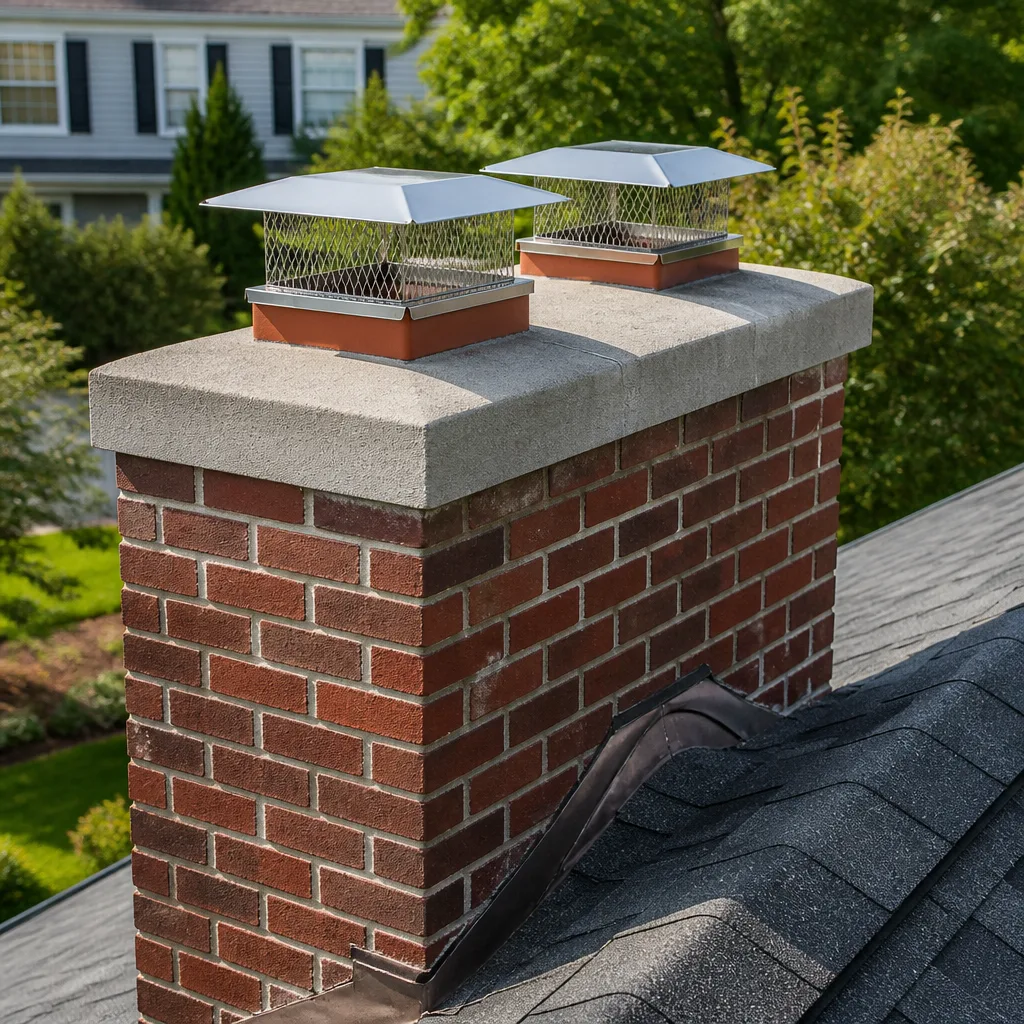 Caps & crowns
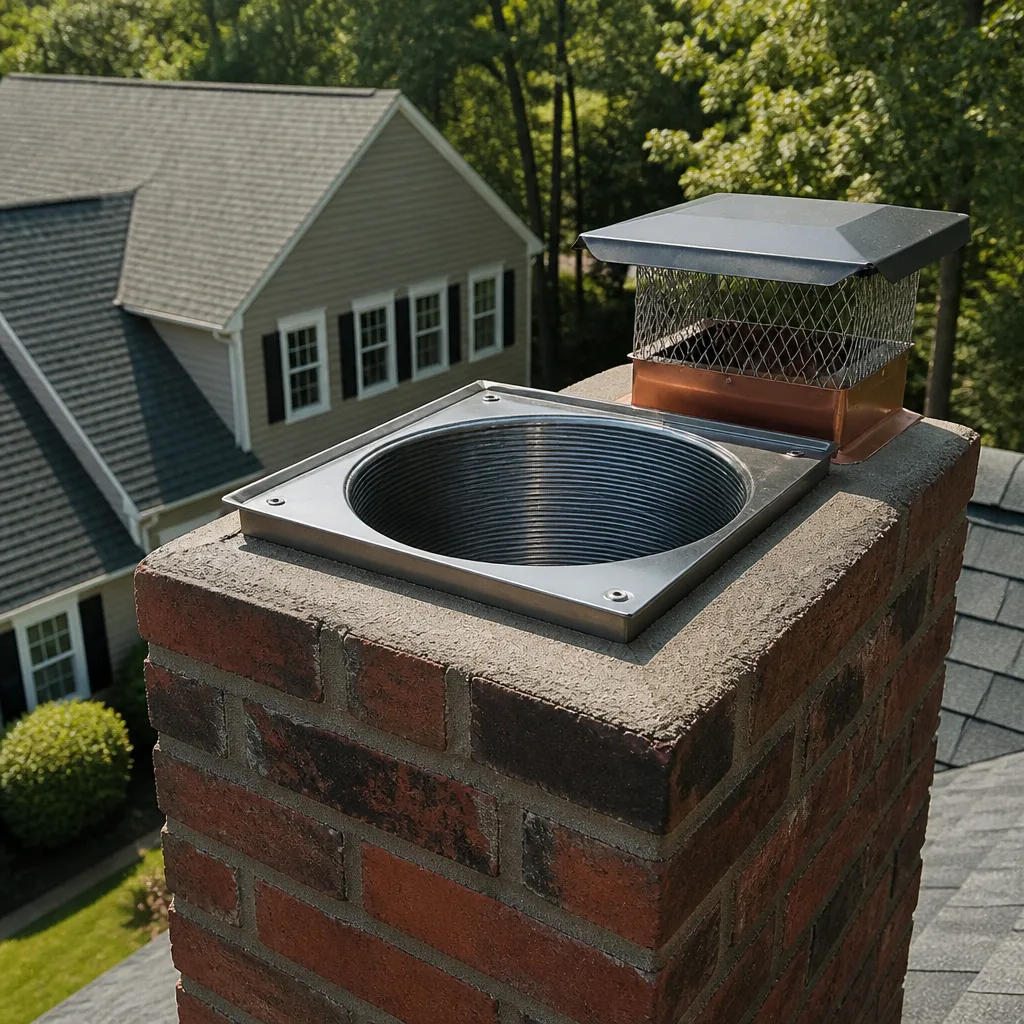 Flue relining
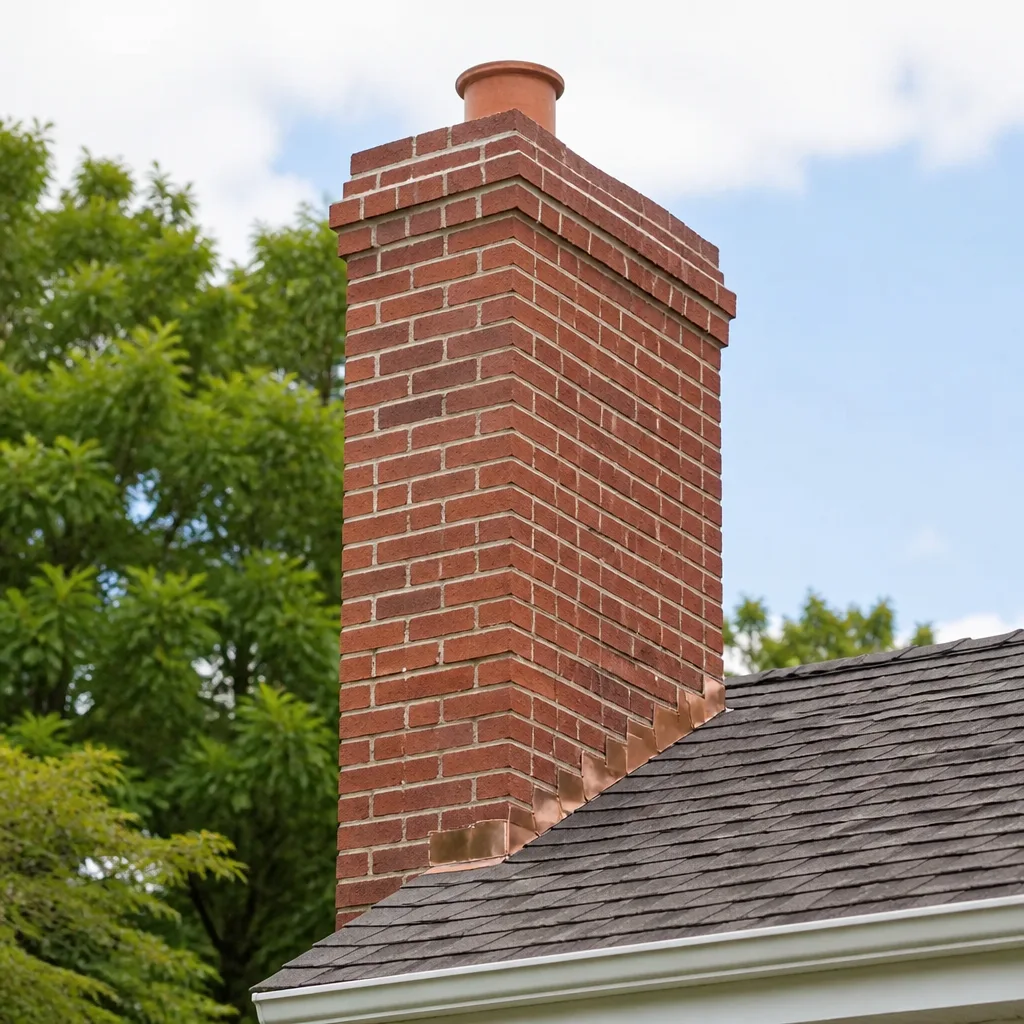 Masonry repair
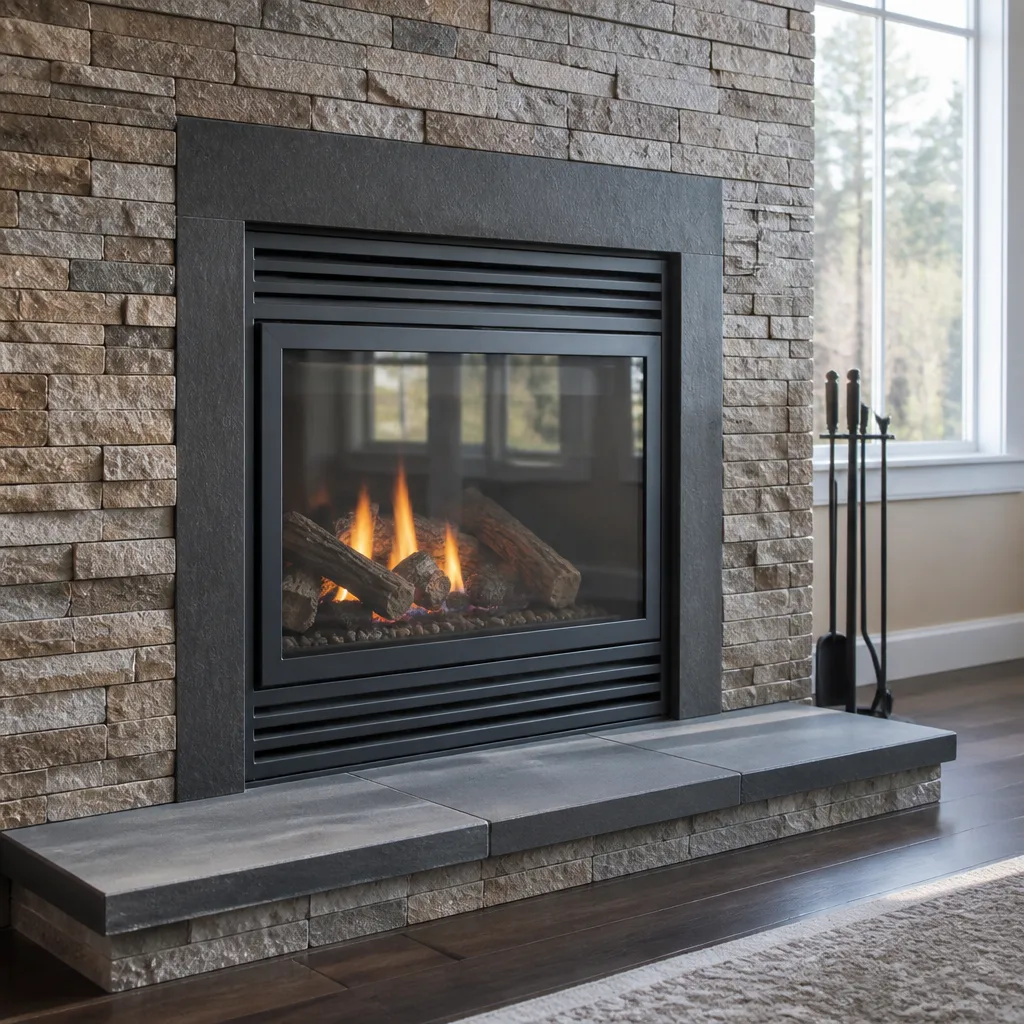 Gas fireplace service
Level 1 sweep and inspection to the NFPA 211 annual standard - flue, crown, cap, and flashing checked and photographed
Chimney sweep logs do not sweep chimneys. They loosen some creosote - which then falls where a brush and vacuum still have to collect it.
The Complete Guide to Chimney Cleaning in Knoxville
Here’s something that surprises most homeowners: two chimneys on the same street can look identical and still collect creosote at wildly different rates. It has little to do with how often you burn and a lot to do with how your flue is sized, how it draws, and how the air on your particular ridge or valley feeds it. A fireplace that smokes a little and burns inefficiently is depositing glaze you can’t see. So what we’re writing here isn’t just a cleaning checklist. It’s a way to read what cleaning tells you.
Quick Answer
Chimney cleaning in Knoxville usually costs $180 to $340 for a standard sweep and inspection, and it should include a written report with photos of what the technician found. Cleaning is the starting point, not the whole job: the same visit reveals whether your smoke chamber, liner, cap, and crown are sound or whether the sweep is really the front door to a repair. If it’s been a season or more since your last visit, book before the first cold snap.
Styles & brands we work with
- Sweep & inspection
- Caps & crowns
- Flue relining
- Masonry repair
- Gas fireplace service
Table of Contents
- Why Chimney Cleaning in Knoxville Isn’t a Copy-Paste Job
- Level 1, Level 2, and Level 3 Inspections: What the Level Actually Decides
- Why the Smoke Chamber May Be the Most Important Part of Your Chimney
- What a Pro-Grade Liner System Tells You That a Shop Vac Can’t
- How to Read a Chimney Sweeping Report
- Creosote Stages: What “Light Deposit” vs. Glazed Means for Your Next Burn Season
- What Does a Chimney Sweep and Inspection Cost in Knoxville?
- When to Call a Professional
Why Chimney Cleaning in Knoxville Isn’t a Copy-Paste Job
Knoxville sits in the ridge-and-valley country of East Tennessee, where the ground rolls in long folds and the air doesn’t move the way it does across flat terrain. Homes built into a north slope, tucked behind a ridge line, or sitting in a hollow pull a weaker, more variable draft than a house on level ground out west. When a chimney’s draft is weak, smoke lingers longer in the flue, the flue stays cooler, and creosote condenses faster on the walls. The fire looks fine. The flue is quietly coating itself.
That’s one reason the interval on a chimney sweep in Knoxville doesn’t always match a generic national rule of thumb. A well-drafted chimney on hickory and oak may be fine on a once-a-year sweep. One on a slow-drawing north-side chimney in rain-thirsty ground can build glaze faster. The only way to know which one you have is to look inside it with a camera and read what it deposits.
The humid summer here compounds the picture. Knoxville’s warm, wet months drive moisture into masonry, and that moisture reacts with the acidic residue creosote leaves behind. So a chimney that “cleans up fine” in April can show a softened interior by fall. Cleaning without inspecting means you never see that trajectory.
That’s the frame for everything below: cleaning is a diagnostic, not a checkbox. A clean sweep is only the beginning. What the sweep reveals is the part that keeps your family safe through the next burning season.
Level 1, Level 2, and Level 3 Inspections: What the Level Actually Decides
The CSIA (Chimney Safety Institute of America) puts chimney inspections in three tiers. Most homeowners meet them as “the cheap one, the thorough one, and the expensive one.” That framing is wrong. Each level answers a different question, and which level you need depends on what you’re trying to decide.
- Level 1 is a visual review of accessible areas: the firebox, the visible flue, the damper, the chimney exterior, the cap and crown. It suits a routine annual sweep on a chimney with no known issues and no change in how it’s used. It answers “does this look normal?”
- Level 2 adds a video scan of the full flue interior, the smoke chamber, and accessible portions of the attic, crawlspace, and joints. It’s the level a home inspection, a change in fuel type, a fireplace appliance replacement, or a chimney fire report calls for. It answers “what’s inside the parts I can’t see?”
- Level 3 is invasive. It removes components, opens walls, or takes apart sections of the chimney to reach a problem a Level 2 flagged. It happens when the footage already shows a defect that has to be exposed and repaired.
Here’s the practical difference in Knoxville: a buyer’s home inspector will often flag “chimney requires further evaluation” or “evidence of creosote buildup.” That note is a Level 2 prompt, not a Level 3. Realtors and insurance agents in this market tend to ask for the written report, so the level you book determines whether you have documentation that satisfies them or just a verbal “it looked okay.”
We’ll book a Level 1 sweep for a homeowner with a clean history. We’ll recommend a Level 2 whenever there’s a threshold event: a new appliance, a fuel switch, a home sale, a fire, or anything the last inspection couldn’t quite explain. Asking the right question before the crew arrives saves both money and wasted trips.
Why the Smoke Chamber May Be the Most Important Part of Your Chimney
Sitting between the firebox and the base of the flue is a tapered masonry section called the smoke chamber. It’s the throat that funnels exhaust upward. When its walls are smooth and well-parged, smoke moves cleanly and the flue above it stays clean too. When the parging is rough, cracked, or missing, smoke tar collects in the ridges and the transition turns turbulent. That turbulence changes everything downstream: the flue runs hotter and dirtier, and a brush that sweeps the flue above it can’t reach the rough deposits below.
In our experience, smoke chamber condition is the single biggest determinant of how good a “standard sweep” really is. A brush cleans what it can reach. If the smoke chamber is rough or poorly parged, a routine sweep brushes the flue clean while the worst deposit sits a few inches below, feeding every future fire.
That’s where HeatShield comes in. HeatShield is a resurfacing system, not a patch. Rather than tearing out a masonry smoke chamber to rebuild it, a technician applies the engineered material to smooth and restore the chamber walls to a uniform, draft-friendly surface. It extends the usable life of the flue without a teardown and, crucially, makes the upper flue cleanable again.
Parging condition also matters for structural reasons. Rough or voided parging lets moisture and creosote sit against the clay liner tiles, weakening joints. In Knoxville’s wet summers, that’s the slow damage that only shows up as a cracked tile on the next video scan. Resurfacing now is usually cheaper than re-tiling later.
What a Pro-Grade Liner System Tells You That a Shop Vac Can’t
A shop vac and a wire brush remove ash and loose soot. They don’t tell you whether the flue is sized correctly, whether the tiles are intact, or whether the chimney was ever built to carry the appliance attached to it. Only a camera scan and a proper inspection do that. When that scan shows a compromised or undersized flue, the fix is a liner, and the liner we trust most often here is DuraFlex, a flexible stainless liner system made for both masonry and prefabricated chimneys.
DuraFlex is the tool we use because it lets the technician match the liner to the chimney rather than forcing the chimney to accept one product. In Knoxville, where a lot of older homes have clay liners that have shifted with decades of freeze-thaw and settling, the liner has to negotiate an imperfect path. A flex liner can be sized to the actual flue, insulated to keep the flue gases hot enough to draft, and connected to the firebox with a purpose-built adaptor.
Multi-line material choice matters as much as the brand. We source from professional supply lines like Gelco, Olympia Chimney, and Famco because no single product fits every chimney. Olympia’s components handle some systems better than others, and pulling from a broader supply line means we pick the right material for your flue instead of whatever happens to be in the truck.
What a sweep alone misses is subtlety. A liner replacement reveals whether the flue above the firebox is straight enough to accept a flexible liner, whether the smoke chamber can be sealed to it, and whether the crown and cap will need attention as part of the same job. That’s the “restore, don’t just patch” path.
How to Read a Chimney Sweeping Report
Every professional sweep should hand you a written report and photos. What separates a useful report from a sales pitch is whether the findings are broken down by component and the severity language is defined. When you open the report, go down the sections in this order:
- Firebox and damper. Look for notes on damper operation, brick spalling, and mortar joints. Spalling in Knoxville often traces back to moisture intrusion at the crown, not just fire exposure.
- Smoke chamber. Check whether the technician noted smooth parging, rough surface, or voids. Rough parging is a repair item, not a cleaning item.
- Flue liner. Look for tile condition, joint integrity, and the deposit level for each section. A report that grades deposit without stating its stage is incomplete.
- Chimney cap and crown. The report should say whether the cap is a spark arrestor or a full rain cap, and whether the crown has cracks or gaps. Both are common repair items here.
- Exterior and roofline. Note flashing, masonry joints, and anything growing against the structure that could trap moisture.
You’ll also want to understand what “recommend Level 2” means if it appears. It doesn’t mean the sweep is upsell; it means the technician saw something a visual couldn’t fully explain and wants the full video record before calling it. A good report tells you what’s urgent, what can wait, and what to simply watch on the next visit. If your report reads as a list of everything wrong with no prioritization, ask for the differentiation.
Creosote Stages: What “Light Deposit” vs. Glazed Means for Your Next Burn Season
Creosote comes in three recognizable stages, and they aren’t interchangeable:
- Stage 1: soot and light deposit. Flaky, brushable, and easily swept. It’s the normal byproduct of a fire that’s burning reasonably well. A standard sweep handles it.
- Stage 2: flaky or crusty creosote. Still might brush loose but takes effort. This is where puffy black flakes stick to the flue wall and the deposit starts holding moisture. A sweep plus an inspection should confirm it’s fully removed.
- Stage 3: glazed creosote. Hard, shiny, tar-like, and it seals the flue wall. A brush alone can’t remove it, because it’s fused to the surface. It’s the stage that most increases the risk of a chimney fire, and it’s the stage that needs the liner evaluated, not just brushed.
When a report says “light deposit,” you have a chimney that’s behaving normally and the sweep did its job. When it says “glazed,” don’t burn again until a deeper cleaning or liner work happens. The distinction isn’t cosmetic: glazed creosote is the fuel a chimney fire eats, and Knoxville’s slow-drafting ridge and valley chimneys are exactly the ones prone to it.
Wood choice shifts the curve too. Dry, seasoned hardwood burns cleaner. Damp wood, or a smoldering fire left to idle overnight, drives creosote hard. Removing the second variable is up to you; removing the first requires a professional.
What Does a Chimney Sweep and Inspection Cost in Knoxville?
In the Knoxville market, a standard chimney sweep with a Level 1 inspection typically runs $180 to $340, and a Level 2 inspection with a video scan typically runs $300 to $550. Those are typical ranges, not a quote, and the final price is set by the written estimate before any work begins. The estimate is free.
| Service | Typical Knoxville Cost Range |
|---|---|
| Chimney sweep with Level 1 inspection | $180 – $340 |
| Level 2 inspection with video scan | $300 – $550 |
| Chimney cap installation or replacement | $200 – $450 |
| Crown repair or rebuild | $300 – $900 |
| Smoke chamber resurfacing (HeatShield) | $900 – $1,800 |
| Flexible liner system (DuraFlex) | $2,000 – $4,500 |
A couple of things drive the upper end of these ranges. Height, roof pitch, and access all raise the labor, which is why a chimney on a steep Knoxville ridge property can land higher than one on a flat lot in a valley neighborhood. The other driver is what the inspection finds. A sweep that uncovers a failed smoke chamber changes the scope, and it’s fair to expect the estimate for that repair before anyone starts.
A dedicated inspection is a worthy purchase on its own. Homeowners buying or selling a home in Knoxville, or responding to a note from a home inspector, often just need the documented condition report. You don’t have to buy repair work at the same time as the inspection, and it’s right to ask for the photo evidence behind any recommendation.
We’d rather tell you a chimney can wait than price a liner nobody needs. Call for an exact quote – estimates are free, and the report is yours to keep.
When to Call a Professional
Some signs mean call this week, not next season. Call a professional if you notice creosote that’s hard and shiny inside the firebox, a chimney that smokes into the room, a smell of soot or creosote in the house when the fireplace isn’t in use, or a damaged cap or missing cap that’s letting rain and animals in. Call if you’ve had a chimney fire, even a small one, or if a home inspection flagged the chimney. Call before the first fire of the season if you can’t remember the last sweep. And call before listing or buying a home, so you have a documented condition report rather than a guess.
Knoxville Chimney Sweep offers free estimates in Knoxville – call (844) 542-3766. We answer 24/7. Fast dispatch from 7am to 7pm, Sunday through Friday.
Common Mistakes to Avoid
- Treating the sweep as a checkbox. A brush push in October that ends with “you’re good” and no written report leaves you with no record of what the flue looks like. Ask for the photos every time.
- Skipping the Level 2 after a home inspection note. In Knoxville’s active real estate market, a buyer who ignores “requires further evaluation” ends up paying for it later. The video scan is the answer a lender or insurer wants.
- Burning unseasoned wood to save on fuel. Wet wood burns cold and leftovers creosote fast. The sweep cost is the same; the crud is dramatically worse.
- Ignoring a cracked crown. Knoxville’s summer rain is persistent. A cracked crown lets water wick into the masonry, which shows up later as a spalled firebox or a shifted liner. Cap and crown repair pays for itself in avoided teardown.
- Letting a shop vac “clean” the smoke chamber. A vacuum can’t smooth rough parging. If your smoke chamber is rough, brushing the flue does nothing for the deposit just below the damper.
- Skipping the annual sweep because the fire “looks fine.” The dangerous stage of creosote is glazed and dark, not visible from the hearth. The only reliable view is the camera.
- Putting off structural repair “until spring.” Some repairs can safely wait. Others, like a flue that’s lost its liner integrity, cannot, and a licensed technician should make that call with footage you can see.
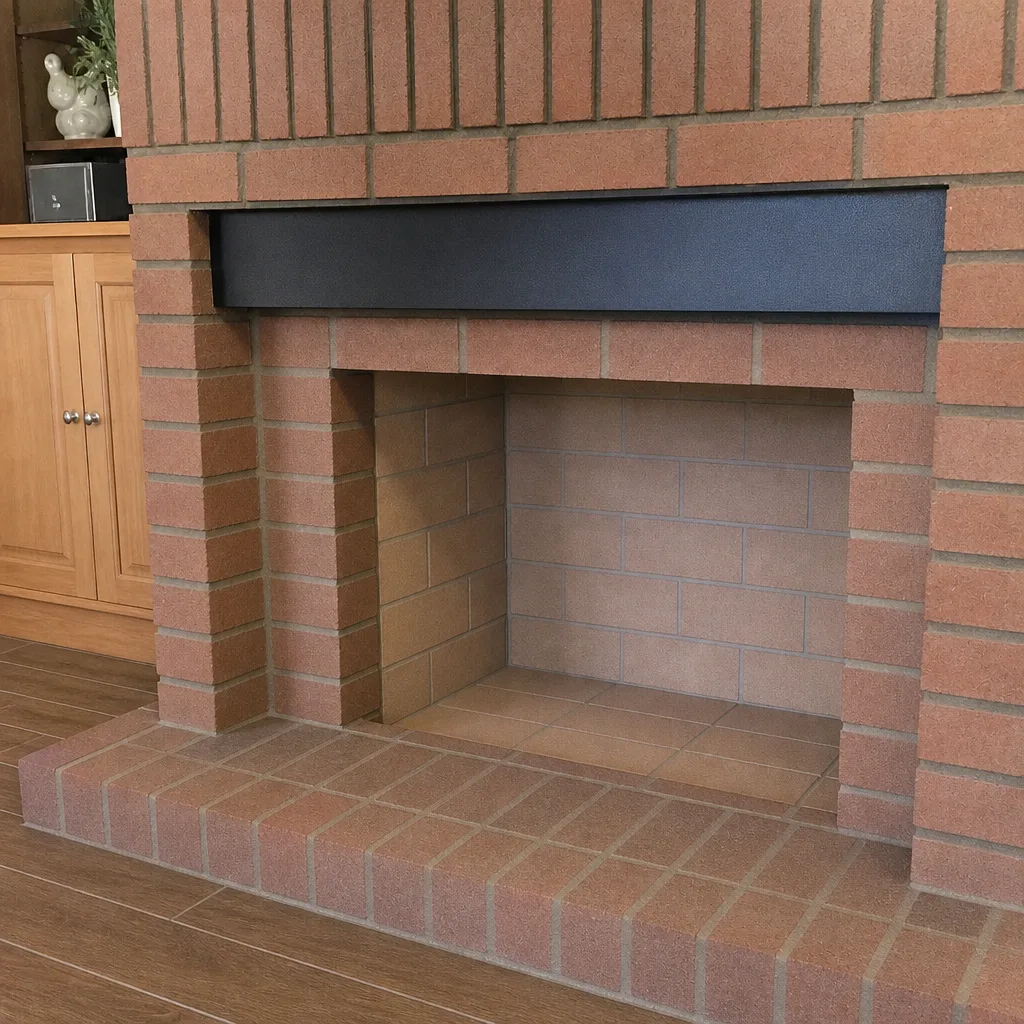
See the difference
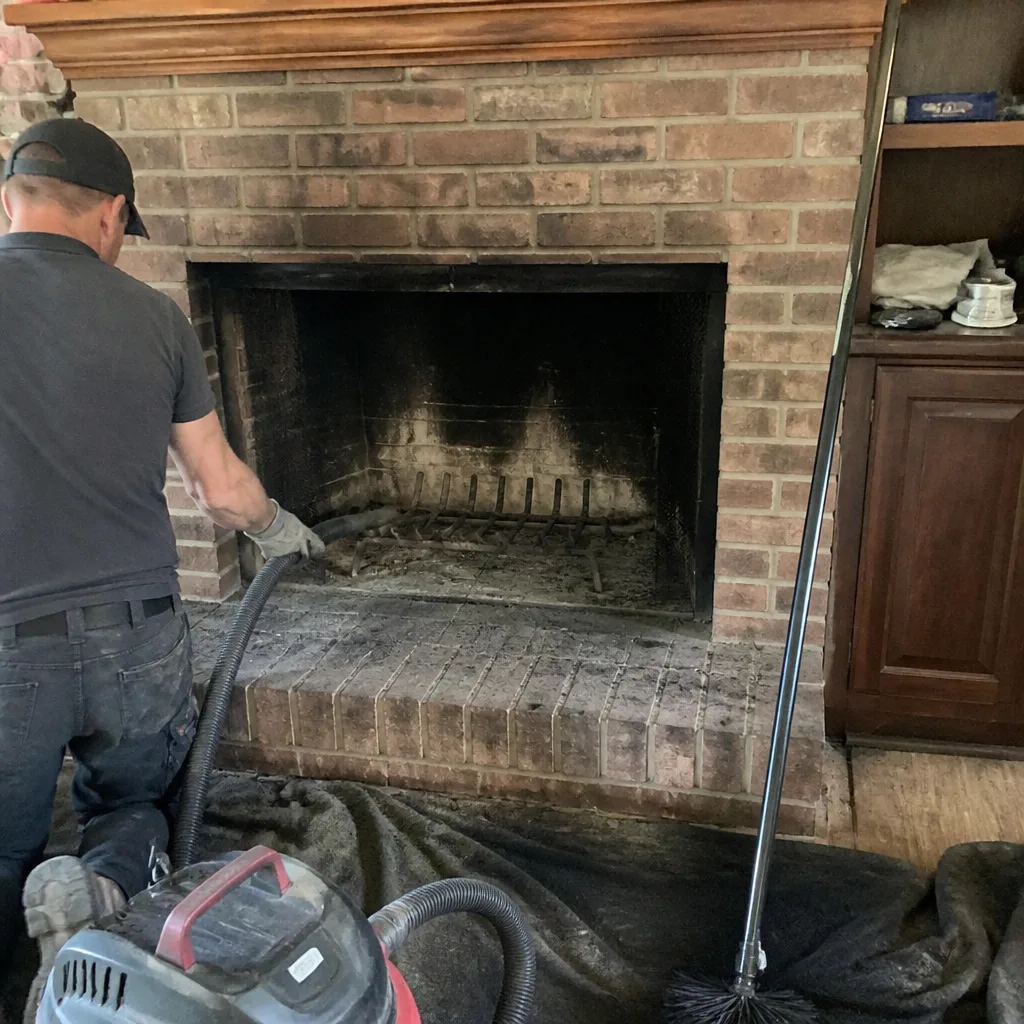 Before
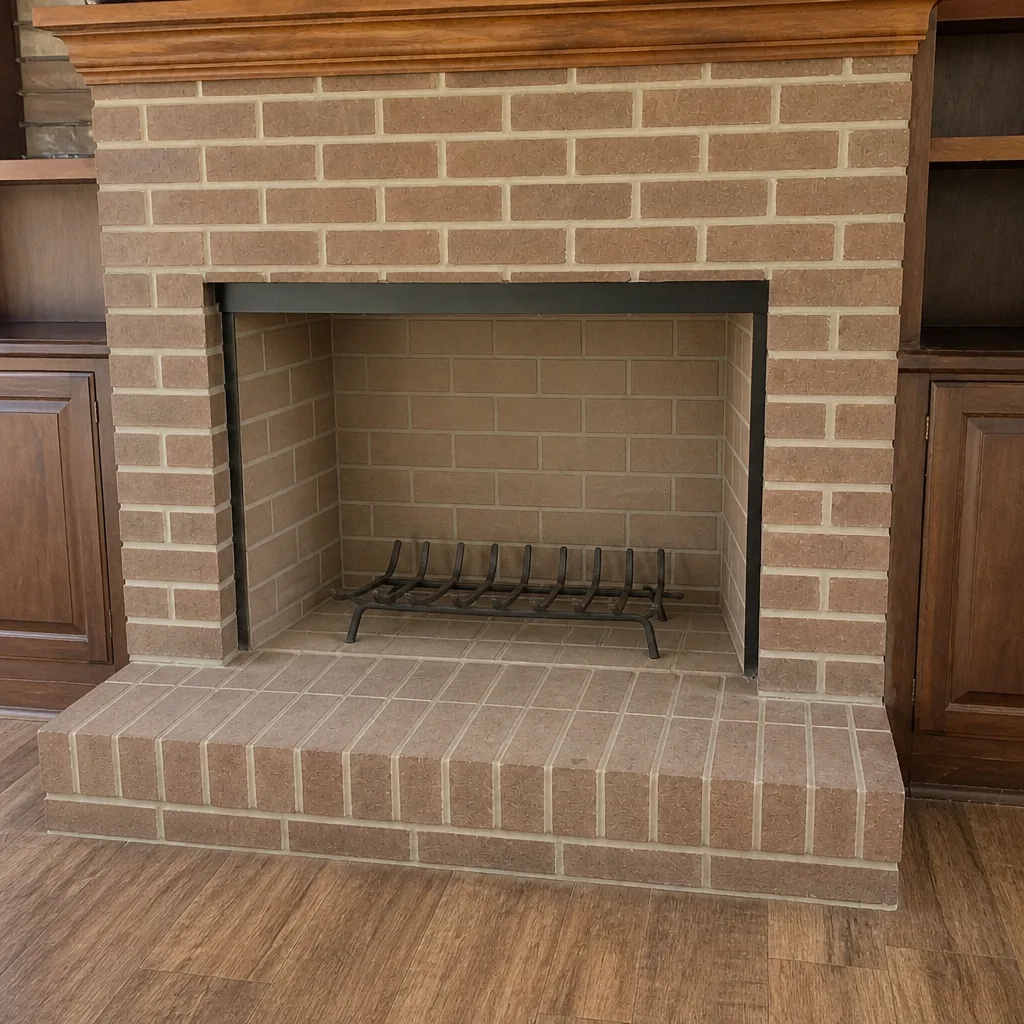 After
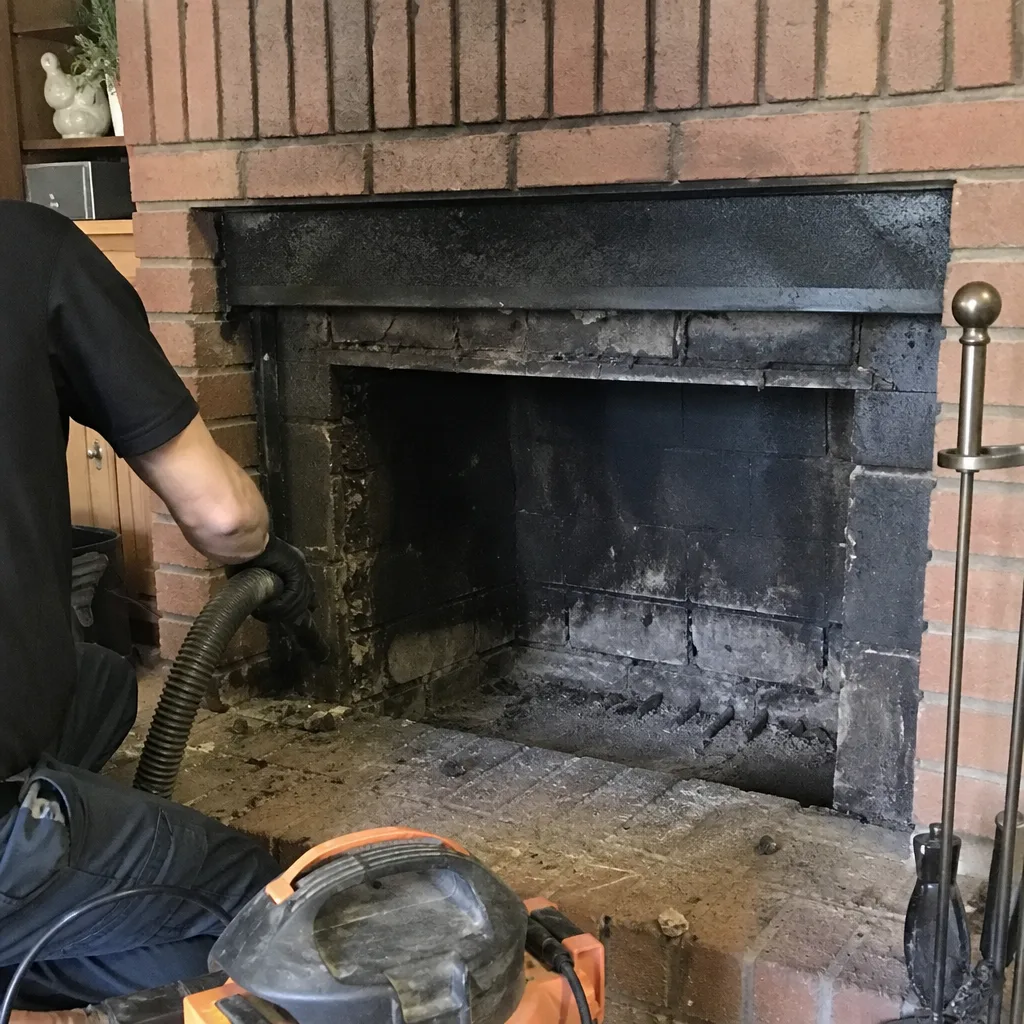 Before
 After
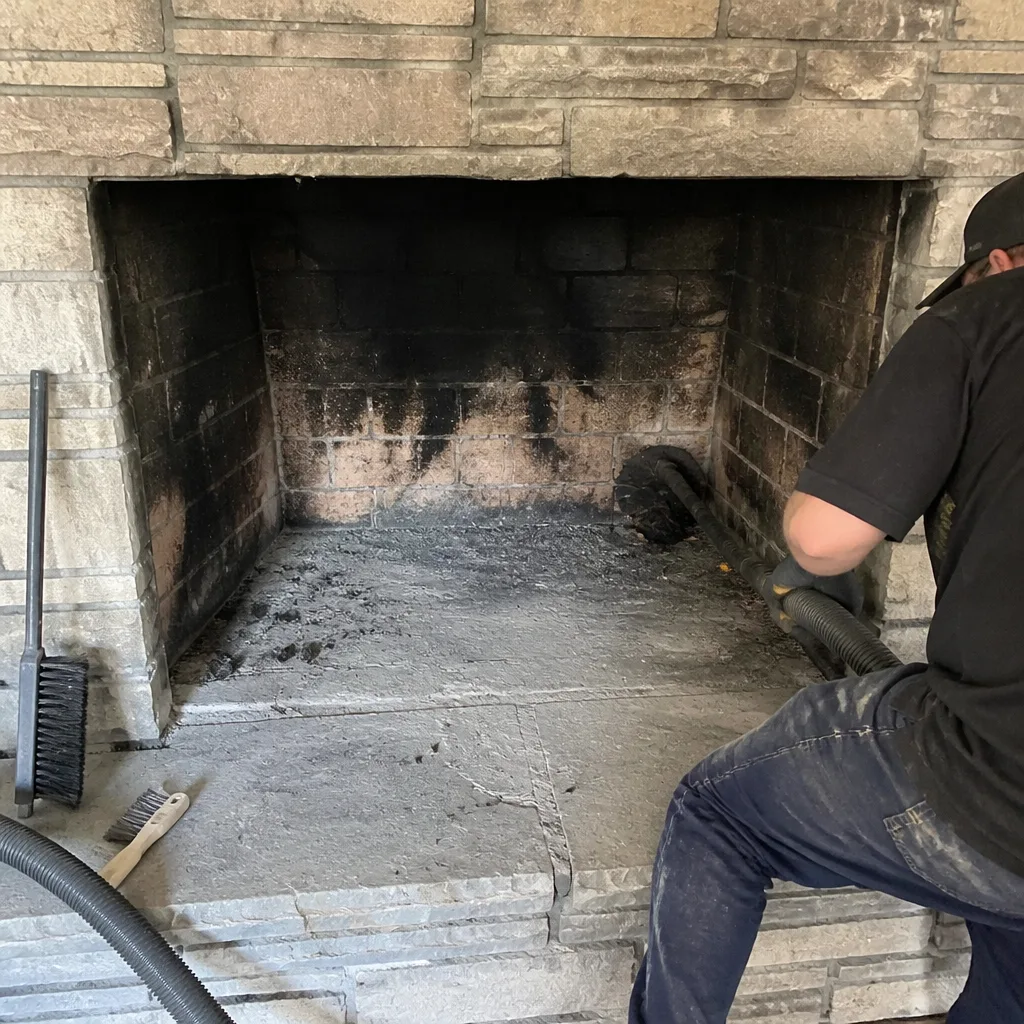 Before
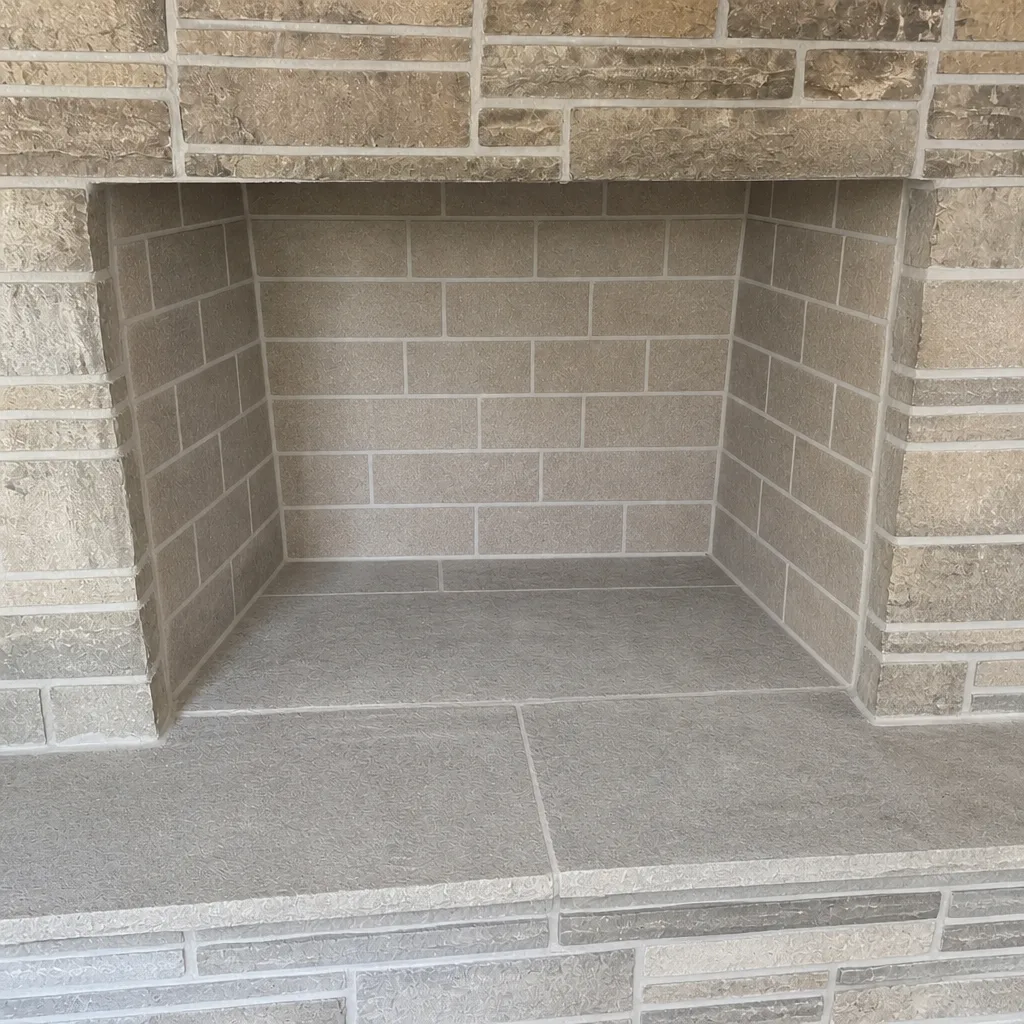 After
How to Plan Your Chimney Year in Knoxville
Knoxville’s burning season runs roughly from October through March, so the ideal time to book a cleaning and inspection is late summer or early fall, before the first fire. Booking in the shoulder months gives you room to handle findings without a panic. If the inspection calls for a cap or crown repair, that gets done before the first burn. If it calls for a HeatShield resurfacing or a DuraFlex liner, you have time to review the estimate and schedule the work without missing the cold.
The other seasonal window is spring, right after your last fire. A spring sweep clears the deposit before the humid summer has a chance to react with it. Chimneys cleaned in spring and inspected again in early fall see two look-overs a year, which is more than most homeowners need but reasonable on a chimney with a history of heavy deposit.
Schedule the work in the order the report gives it. A clean and inspect comes first. Repairs that protect from water or animals – the cap and crown at minimum – come next. The deeper structural work like a liner or resurfacing follows once you’ve reviewed the estimate and decided. If you do need structural repair, we handle it under one service relationship rather than handing it off to a subcontractor.
If you’re not sure where to start, a standalone inspection is a sensible first step. It documents what you have and it’s yours to share with an insurer, a buyer, or another contractor.
How to Vet a Knoxville Chimney Sweep
Ask three questions before you book. First: what level inspection comes with the sweep? If the answer is vague, you don’t know what you’re getting. Second: do you provide a written report with photos of every section of the flue? If not, you’ll have no proof of condition later. Third: what brands and supply lines do you work with? A technician who names the materials knows the difference between a generic and a professional-grade system. A general handyman who calls himself a chimney sweep and cleans with a shop vac is probably not going to recognize a rough smoke chamber from a clean one.
Ask to see footage before approving a repair. A camera scan shows the actual interior of the flue, and the report should include it. If the technician recommends a liner without showing you the reason, ask for the still frame. That’s the practice we follow, and it’s the right standard to hold any Knoxville chimney sweep to.
Ask how long the crew has been in the trade. Our technicians have up to 11 years of experience. The scope of the job they can handle should match the chimney you have, from the cap to the firebox, without the need to call in a specialist for liner service or resurfacing.
Frequently Asked Questions
A standard chimney sweep with a Level 1 inspection in Knoxville typically runs $180 to $340, and a Level 2 inspection with video scan typically runs $300 to $550. The written estimate before booking sets the final price, and the estimate itself is free. Call (844) 542-3766 for an exact quote.
Most wood-burning chimneys should be swept once a year, and we recommend it before the first fire of the season. A slow-drafting chimney on a ridge or valley lot in Knoxville may need it sooner if it builds creosote quickly. The only way to know is to inspect and read the deposit.
You need a new liner when the inspection shows the flue no longer safely carries exhaust or the clay tiles have failed. A shop vac and brush can’t determine that. A video scan can. If the scan shows an intact flue, you don’t need a liner, and we’ll tell you so.
Creosote builds up inside the flue and eventually reaches a glazed, hard stage that a brush can’t remove. That stage is the fuel for a chimney fire, and it’s a real carbon monoxide and fire risk, not a hypothetical one. Call (844) 542-3766 if it’s been more than a season.
We don’t recommend brushing your own flue. The risks – climbing on the roof, reaching into the firebox, misreading a chamber condition – outweigh the savings on a $180 to $340 sweep. A technician with the right camera and training sees what you can’t from the hearth.
A standard sweep with a Level 1 inspection takes about 45 minutes to 90 minutes, and a Level 2 with video adds time for the scan and report. We book the job as a block, not a knock-and-go, so there’s time to walk you through what we found.
The Bottom Line
Cleaning your chimney in Knoxville is not a one-time errand. It’s a look inside the flue that tells you whether your smoke chamber, liner, cap, and crown are doing their job. The three levels of inspection answer different questions, the smoke chamber determines what a sweep can reach, and the report tells you whether your creosote is ordinary or a hazard. Book a sweep and inspection before the first fire, ask for the written report with photos, and treat repair recommendations as evidence you can verify. From the cap to the firebox, one provider should be able to handle what the inspection finds.
Knoxville Chimney Sweep handles sweeping, inspection, fireplace repair, structural chimney repair, and chimney cap & crown work across Knoxville. Our technicians have up to 11 years of experience, and the estimate is free. Call (844) 542-3766. We answer 24/7. Fast dispatch from 7am to 7pm, Sunday through Friday.
Written by the team at Knoxville Chimney Sweep.